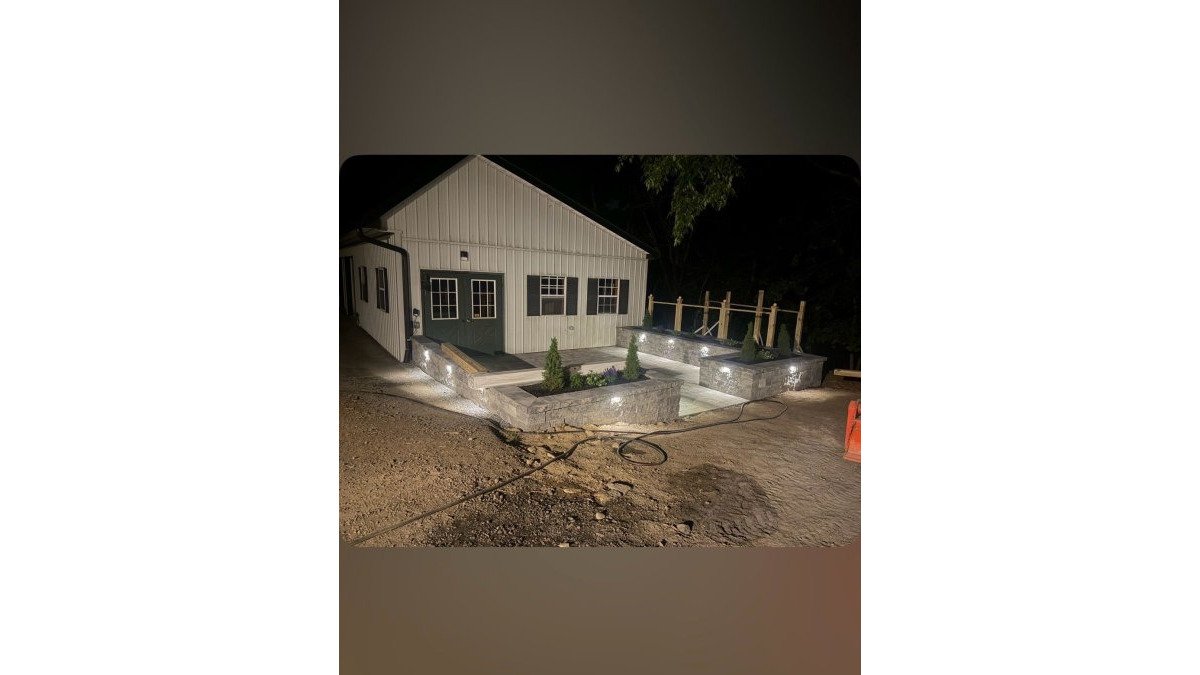
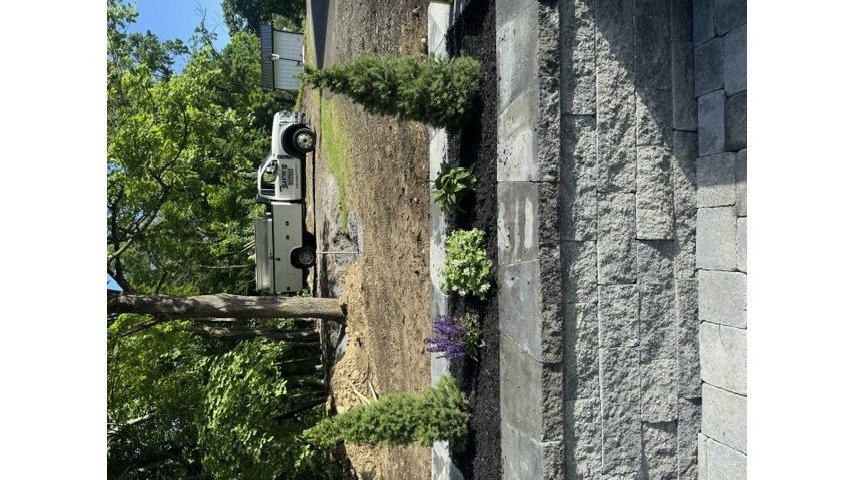
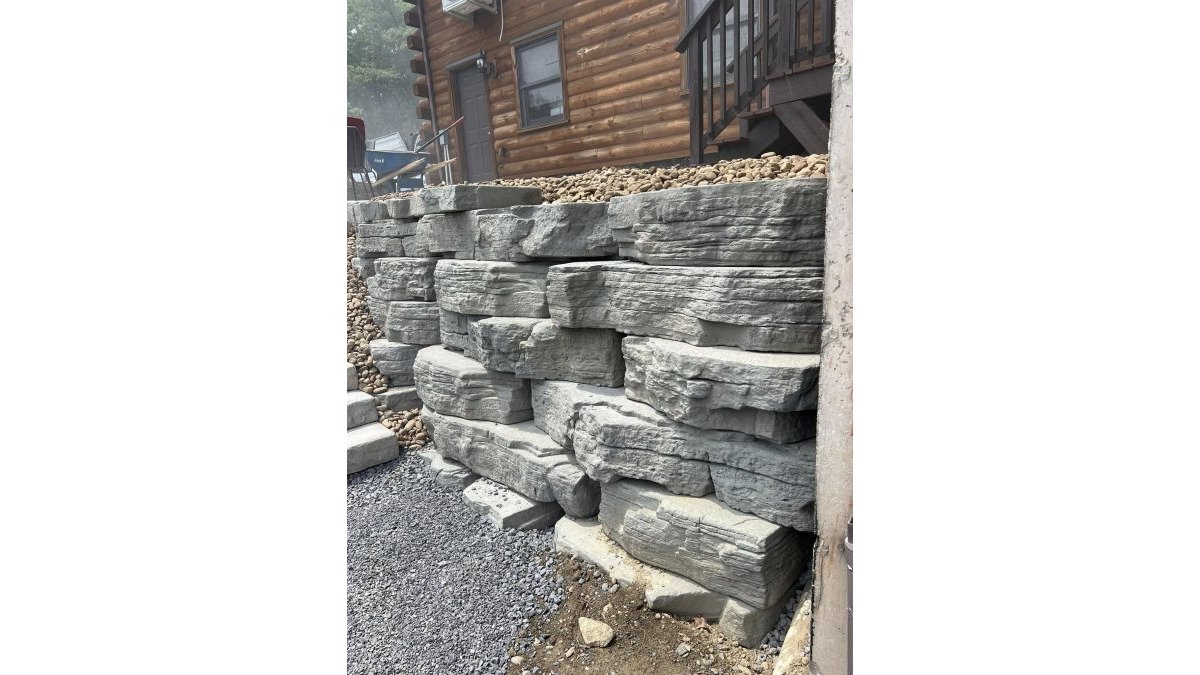
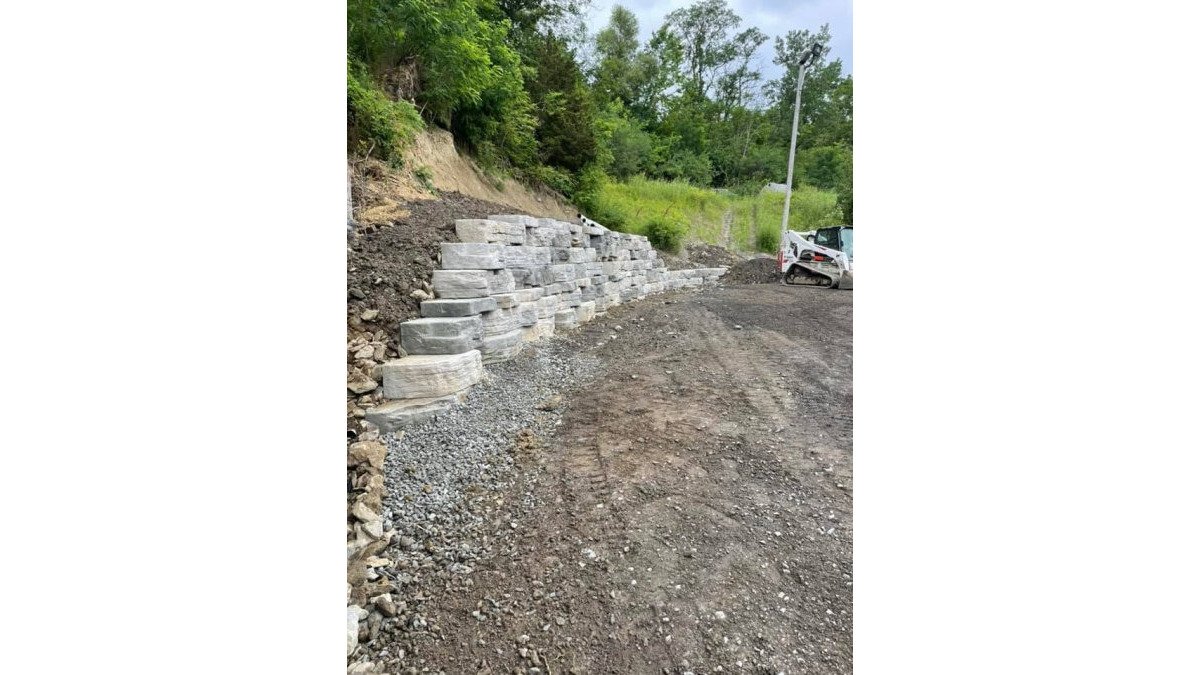
 comparison
Is Professional Garden Design Worth the Cost?
Table of Contents
- Is Professional Garden Design Worth the Cost? A Contractor's Perspective
- What Does a Landscape Designer Actually Do?
- The Benefits of Hiring a Landscape Designer
- Professional Garden Design vs. DIY: A Realistic Comparison
- How to Evaluate a Design Proposal and Avoid Costly Mistakes
- The Long-Term Value: Maintenance, ROI, and Curb Appeal
- Conclusion: Making the Right Call for Your Property
- Frequently Asked Questions
Last Updated: October 12, 2026
Is Professional Garden Design Worth the Cost? A Contractor's Perspective
Whether is professional garden design worth the cost comes down to one question: how much does a failed install cost you in rework, dead plants, and drainage repairs? At Santini's Landscape, we've spent more than a decade building patios, retaining walls, and planting beds across the Hudson Valley, and we've torn out plenty of DIY layouts that looked fine on paper.
What Does a Landscape Designer Actually Do?
A landscape designer turns how you want to use your yard into a buildable plan: measuring the site, testing how water moves, checking sun exposure, and choosing plants and materials that fit your soil and climate. The deliverable is a design plan your contractor can price and install without guesswork. Most homeowners picture a sketch of shrubs; in practice, the work is closer to engineering than decorating.
From Site Assessment to Final Walkthrough
The process runs in a clear sequence, and each step prevents a specific failure:
- Site assessment - slope, soil conditions, drainage patterns, and sun exposure get measured, not guessed
- Functional layout - where the patio, paths, and outdoor living space sit relative to doors, utilities, and property lines
- Material selection - hardscape and softscape choices matched to your budget and how the space gets used
- Planting plan - right plants for your light, water, and soil, spaced for mature size rather than nursery size
- Cost estimate - line-item pricing so you can see what each element adds
- Installation oversight - the designer checks that the build matches the plan
- Final walkthrough - a punch list before the last invoice
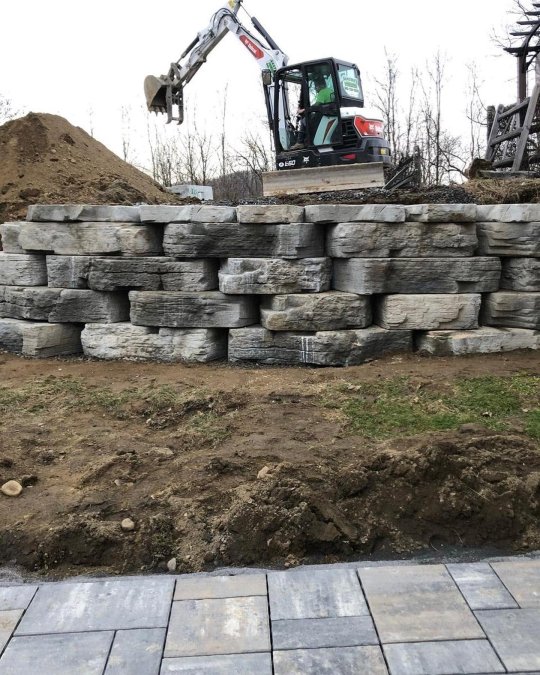
That sequence is why a design plan holds up. Skip the site assessment and you're guessing about drainage. Skip the planting plan and you're buying whatever looks good at the nursery that weekend.
The Benefits of Hiring a Landscape Designer
The benefits of hiring a landscape designer show up in three places: fewer costly mistakes, a layout that fits how you actually live, and a plan contractors can bid accurately. A design plan also protects your budget.
The biggest benefit is avoiding the wrong plants and materials. Even a scaled-down design consultation can flag the issues that would wreck a small patio build.
Professional Garden Design vs. DIY: A Realistic Comparison
Professional garden design vs. DIY is not a straight cost comparison, because the two paths carry different risks and cost structures. DIY saves on design fees and labor but shifts the risk of mistakes onto you. Professional design costs more upfront and reduces the chance of rework. The honest answer depends on project complexity, not on principle.
The Three Routes and What Each One Actually Costs
Most homeowners compare only the design fee, the smallest line in the budget. The real comparison is total cost of ownership across three routes:
- Design-only. You hire a designer for a plan, then bid the install to contractors or do it yourself. You pay for the plan and the site assessment, then pay separately for materials, labor, and any engineering or permit work the plan requires.
- Design-and-build. One firm designs and installs. The design fee is often folded into the build contract or credited against it, which is why the sticker price can look higher than a standalone plan but the total is usually more predictable.
- DIY from scratch. No design fee, but you absorb the cost of measuring, sourcing, hauling, tool rental, disposal, and rework. The rework line is the one most homeowners forget to budget.
A common pattern we see on installs: the DIY route wins on softscape and loses on hardscape and site work. A patio that settles or a wall that bulges costs more to fix than the original design fee would have been, because the fix means removing what you already paid to install.
Where DIY Saves Money and Where It Costs More
DIY makes sense for simple, low-risk work. It costs more when the project touches grading, drainage, retaining walls, or anything requiring excavation.
| Project Type | DIY Works Well? | Main Risk | Best Approach |
|---|---|---|---|
| Container and bed plantings | Yes | Wrong plant for light | DIY with a plant list |
| Small ornamental plantings | Often | Spacing and soil prep | DIY or short consult |
| Patio installation | Rarely | Settling and drainage | Design-and-build |
| Retaining walls | No | Structural failure | Professional design |
| Drainage and grading | No | Water damage to home | Professional design |
| Pool or new construction site prep | No | Permit and safety issues | Professional design |
The pattern is consistent: DIY saves money on softscape and loses money on hardscape and site work. Softscape mistakes are cheap to correct, you dig up a shrub and replant it. Hardscape mistakes are not: a settled patio means breaking out the pavers, re-compacting the base, and re-laying, and a failed retaining wall means excavation, engineering, and a rebuild.
A Decision Framework for Your Project
Use these questions to decide which route fits before you spend anything:
- Does the project change how water moves on the property? If yes, you need professional design. Drainage and grading are where DIY failures cause the most expensive damage.
- Does it involve excavation, retaining walls, or structures? If yes, professional design. These carry structural and permit risk that a plan mitigates.
- Is the site flat, dry, and simple? If yes, DIY or a short design consult is often enough.
- Is your budget tight but your scope large? A design-only plan lets you phase the install over multiple seasons while keeping the layout coherent.
- Do you plan to sell within a few years? A documented plan and permitted hardscape support resale; unpermitted DIY work can complicate a sale.
The Rework Line Nobody Budgets For
The hidden cost in the DIY route is rework. A common pattern is a homeowner who saves on design, installs a patio, watches it settle within two seasons, then pays a contractor to remove and rebuild it. The rebuild costs more than the original install because disposal and re-excavation are added.
Dreams Set in Stone starts with a plan, and the plan is what keeps the rework line at zero.
How to Evaluate a Design Proposal and Avoid Costly Mistakes
Evaluating a design proposal means checking what's included, not just the total. A low number often means a vague scope, and vague scope is where budgets break. Below is what a plan should actually contain, how to compare two proposals fairly, and the exclusions that quietly raise your final cost.
What a Design Plan Should Actually Include
A complete plan is a set of documents, not a single drawing. Ask to see each of these before you sign:
- Site survey and base plan. Existing conditions: property lines, utilities, slopes, structures, and drainage patterns.
- Concept plan. The overall layout showing how the space is organized and used.
- Planting plan. Species named, quantities, sizes at install, and mature spacing.
If a proposal cannot show you the planting plan, the drainage plan, and the specifications, you are not comparing designs. You are comparing sketches.
How to Compare Two Proposals Fairly
Two proposals with the same total can deliver very different value. Compare them on these axes:
- Scope completeness. Does each proposal include the same elements, or is one leaving out drainage, lighting, or irrigation?
- Revision limits. How many rounds of changes are included before additional fees apply?
- Ownership and licensing of the plan. Do you own the plan outright, and can another contractor build from it?
- Site visit count during construction. A plan with no construction support often gets built wrong.
- Credentials and references. Ask for recent projects you can visit and questions you can ask those homeowners.
- Timeline and scheduling. When does design start, when does install start, and how is your project sequenced relative to others?
That last point matters. A contractor juggling ten jobs at once will disappear on yours. We build one project at a time for exactly this reason, so the crew that starts your patio is the crew that finishes it.
Scope Exclusions That Raise Your Final Cost
Read the exclusions section as carefully as the inclusions. Common exclusions that surprise homeowners include:
- Permit fees and engineering stamps for retaining walls or structures
- Tree removal, stump grinding, and disposal
- Soil amendments, topsoil, and drainage stone
None of these are unreasonable to exclude. They are unreasonable to leave unmentioned. A proposal that lists its exclusions is more trustworthy than one that implies everything is covered.
Questions to Ask Before You Sign
- Does the proposal include a site assessment and drainage note?
- Is there a planting plan with species named, not just "assorted shrubs"?
- Are hardscape materials specified by type and finish?
You Need Santini's because we answer every one of these before you sign, and we put the answers in writing. Dreams Set in Stone.
The Long-Term Value: Maintenance, ROI, and Curb Appeal
Landscaping can support home value and curb appeal, but the return depends on the project and the market. A well-built patio or retaining wall improves how a property shows and functions, and buyers notice outdoor living space.
Here's the honest math. A design that matches your site's soil, sun, and drainage needs less plant replacement and less water over time. A DIY layout with the wrong plants means ongoing replacements and higher water bills.
Conclusion: Making the Right Call for Your Property
The decision comes down to complexity and risk. Simple plantings are fine to DIY. Anything involving grading, drainage, retaining walls, or excavation is where professional design earns its keep, because the cost of a mistake is higher than the cost of a plan. When you're ready to build, Santini's Landscape brings more than two decades of hardscaping and site work to the Hudson Valley, with premium materials, an experienced crew, and a one-project-at-a-time approach that keeps your job moving.
Frequently Asked Questions
How much should I pay for a garden design?
Design fees vary based on project scope, site complexity, and the designer's experience. Most designers charge either a flat fee or an hourly rate. For a typical residential project, a design fee is often a percentage of the total installation cost. Santini's Landscape provides free quotes so you can understand the investment before committing. Request a quote on their website to get specific numbers for your property.
Is it worth paying a landscape designer?
For most homeowners, yes. A designer prevents costly mistakes like buying the wrong plants for your soil and sun exposure, or installing hardscape that doesn't drain properly. They also create a functional layout that maximizes your outdoor living space. The upfront garden design cost often saves money long-term by avoiding rework and plant replacement. If your project involves drainage issues, grading, or structural elements, professional expertise is especially valuable.
Can a landscape designer help prevent costly landscaping mistakes?
Absolutely. Designers conduct a site assessment to check soil conditions, drainage, and sun exposure. They then create a planting plan with the right plants for your climate, reducing plant replacement costs. They also design hardscape and softscape elements that work together, avoiding problems like settling patios or water pooling near your foundation. This proactive planning is a key benefit of hiring a landscape designer.
What should I ask before hiring a garden designer?
Ask about their process, deliverables, and how they handle unexpected site issues. Inquire whether they provide a detailed design plan and cost estimate, and if they work with a dedicated installation crew. Ask for examples of projects similar to yours. Also clarify how they communicate and what happens if soil or drainage problems arise mid-project. A reliable designer will have clear answers and a portfolio to back them up.
If you're weighing a patio, retaining wall, or drainage solution and want a straight answer on scope before you commit, that's the conversation we have every day. Santini's Landscape handles design, site preparation, and installation as one team, so nothing gets lost between the drawing and the build. You Need Santini's. Request a free quote and we'll walk your property with you.