 how-to
Hiring Landscapers for Small Projects: 2026 Guide
Table of Contents
- Why Small Projects Get Skipped, and How to Get on the Schedule
- How to Vet Landscaping Contractors Before You Sign Anything
- The Landscaping Project Scope of Work Template That Prevents Disputes
- Questions to Ask Landscaping Companies Before You Commit
- Landscaping Project Timeline Expectations for Small Jobs
- How Hiring Landscapers for Small Projects Actually Works
- Red Flags When Hiring Landscapers for Small Projects
- Frequently Asked Questions
Last Updated: October 2, 2026
Why Small Projects Get Skipped, and How to Get on the Schedule
Here is the frustrating truth about hiring landscapers for small projects: most crews turn the work down, not because the job is beneath them, but because a half-day patio repair pays the same as a phone call that books a full backyard build. At Santini's Landscape, we built our schedule around the opposite approach, one project at a time, finished before the next one starts.
What Counts as a Small Project
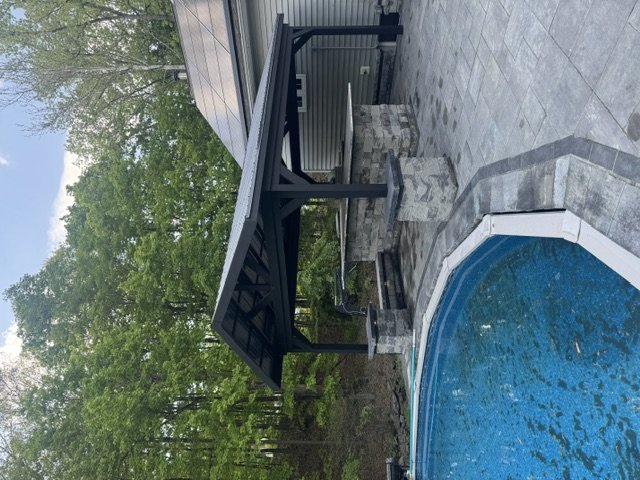
A small project is any job that finishes in one to three days with a crew of two to four: a walkway, a small patio, sod installation, a seasonal cleanup, or an irrigation repair. Anything needing excavation, permits, or structural engineering is a different category entirely.
How to Vet Landscaping Contractors Before You Sign Anything
Vetting comes down to three checks: license, insurance, and references you actually call. Skip any one of them and you're gambling with your property. But for small projects, there's a fourth check most homeowners never make, the paperwork that protects you after the crew leaves.
Licenses, Insurance, and Professional References
Professional references should be recent and local. Ask for two jobs completed in the last year and one from three or more years ago, so you can see how the work has held up. Drive past them if you can. On a small job, the reference call matters more than the portfolio, you're checking whether the crew showed up when they said they would, not whether they can build a showpiece.
The Small-Job Contract Checklist Most Homeowners Skip
On a full backyard build, everyone signs a contract. On a two-day walkway, homeowners often shake hands and hope. That's the gap where disputes live. Before any crew breaks ground on your property, the written agreement should spell out:
- The legal name of the business and its license number
- A plain-language scope: what gets built, what gets removed, what stays untouched
- Start date, working hours, and an estimated completion date
- Materials by type, color, and quantity, not just "pavers"
- Who pulls any required permits and who pays for them
- How change orders are requested, priced, and approved in writing
- The payment schedule tied to specific milestones
- Warranty terms on both labor and materials
- Cleanup, haul-away, and final walkthrough responsibilities
- A dispute-resolution clause naming the process before anyone calls a lawyer
What to Put in a Service Agreement for a Small Job
A service agreement for a small job should cover the scope, the payment schedule, the timeline, and what happens if the crew hits rock, bad soil, or an unexpected drainage line. That last clause is the one homeowners forget, and it's the one that causes the ugliest arguments.
The Landscaping Project Scope of Work Template That Prevents Disputes
A scope of work is a written description of exactly what will be built, removed, and left alone. It prevents the two most common disputes: surprise charges and unfinished edges.
Use this template before signing anything:
- Project address and start date
- Square footage and dimensions of the work area
- Materials specified by type, color, and quantity
- What gets removed (existing sod, old pavers, roots)
- Grading and drainage plan
- Cleanup and disposal responsibilities
- Payment schedule tied to milestones
- Change-order process and who approves it
What to Put in a Service Agreement for a Small Job
A service agreement for a small job should cover the scope, the payment schedule, the timeline, and what happens if the crew hits rock, bad soil, or an unexpected drainage line. That last clause is the one homeowners forget, and it's the one that causes the ugliest arguments.
Questions to Ask Landscaping Companies Before You Commit
The best questions are the ones that force specifics. Vague answers now become expensive surprises later.
Ask these before you sign:
- Who is my point of contact, and how fast do you return calls?
- How many projects do you run at once?
- What happens if you find bad soil or a drainage problem?
- Who handles the permits if any are needed?
- What's your warranty on labor and materials?
- How do you handle change orders?
Landscaping Project Timeline Expectations for Small Jobs
A small patio or walkway typically takes two to four days from start to finish, plus a week or two of lead time for scheduling and material delivery. Sod installation usually wraps in a single day. Seasonal cleanup runs four to eight hours.
How Hiring Landscapers for Small Projects Actually Works
The process is simpler than most homeowners expect: site assessment, written estimate, service agreement, scheduled install, walkthrough. The differences between contractors live in how carefully each step is handled, and in whether the crew will take the job at all.
How to Get a Busy Crew to Take a Small Job
Most homeowners assume small jobs get rejected because the money is too low. The real reason is scheduling friction. A crew running a multi-week install can't easily slot in a one-day walkway without disrupting the larger job. Contractors who take small work do it when the job fits a gap in the calendar, so the homeowner's job is to make the job easy to fit.
What actually works:
- Be flexible on timing. Offer a window rather than a single date. A crew can often fit a small job into a weather gap or a materials-delay day on a larger project.
- Have the site ready. Clear vehicles, pets, and debris from the work area before the assessment. A contractor who can see the whole site in one visit is more likely to quote it.
- Bundle related work. A walkway plus a drainage fix plus a cleanup is one mobilization instead of three. Bundling is the single biggest lever a homeowner has.
- Ask about off-season scheduling. Late fall and winter are slow for hardscaping in most regions, and crews are more willing to take small installs then.
- Be decisive. Contractors deprioritize homeowners who take three weeks to approve an estimate. A quick yes moves you up the list.
Payment Structures That Protect Both Sides
For small projects, a deposit plus one or two milestone payments is standard. Never pay the full amount upfront, and never pay in cash without a receipt. The exact split depends on the job, but the principle is the same: money should follow completed work, not promises.
| Structure | Typical Split | Best For | Risk Level |
|---|---|---|---|
| Deposit + completion | 30% / 70% | Jobs under two days | Low |
| Deposit + milestones | 30% / 40% / 30% | Multi-day installs | Low |
| Materials + labor | Cost of materials upfront, labor on completion | Material-heavy jobs | Medium |
| Full payment upfront | 100% | Avoid entirely | High |
- The deposit covers mobilization, not profit. It pays for materials, equipment, and crew time to get to your site. A reasonable deposit is large enough to cover those costs and small enough that you're not financing the whole job.
- Milestones should be tied to verifiable events. "Grading complete," "base compacted," "pavers set", not "week one" or "week two." Calendar-based milestones give the contractor payment for time, not for work.
- Final payment follows the walkthrough. Hold the last installment until you've walked the site, confirmed cleanup, and received any warranty paperwork in writing.
- Change orders get their own paper trail. Any addition or subtraction from the original scope should be priced and approved in writing before the work happens, with its own payment terms.
DIY vs. Pro: A Cost-Benefit Check
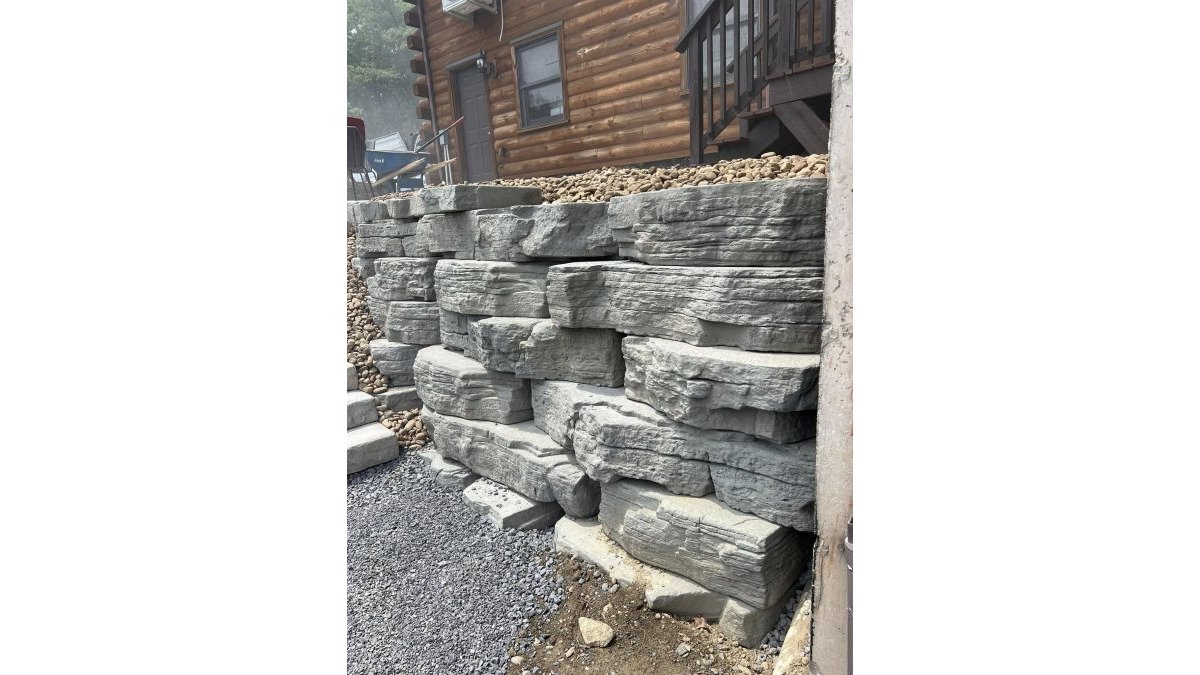
DIY makes sense for seasonal cleanup, mulching, and small plantings. It stops making sense the moment the job involves excavation, grading, or anything structural. A retaining wall built without proper drainage and compaction fails, and rebuilding costs more than hiring it done correctly the first time.
Red Flags When Hiring Landscapers for Small Projects
The warning signs are consistent, and they show up early if you're paying attention.
- No written estimate. Verbal quotes are unenforceable.
- Cash-only, no receipt. You have no proof of payment or warranty.
- Pressure to sign today. Legitimate contractors let you think.
- No physical address or license number. Verify both.
- Requests for large upfront payments. See above.
- Vague answers about insurance. Always a problem.
Frequently Asked Questions
How do I find a reputable landscaper for a small project?
Start by asking neighbors, local hardware stores, or your town's building department for names of licensed and insured contractors. Then check each one's online reviews and ask for professional references from jobs similar in size to yours. A contractor who does design-build work and takes on small patios, walkway installation, or garden maintenance will usually say so upfront. Get a written project estimate and a scope of work before any money changes hands, and confirm they carry liability insurance and workers' compensation.
What should I include in a scope of work for a small landscaping job?
A solid scope of work names the exact areas to be touched, the materials and quantities (sod installation, pavers, plantings), the site assessment findings, and what happens if the crew hits unexpected soil or drainage problems. It should also list who pulls permits, how debris is removed, and the project timeline with a start and finish window. Vague scopes like 'fix the yard' invite change orders. Ask the contractor to attach a simple sketch or marked-up photo so both sides see the same plan.
How much does a landscaper usually charge per hour?
Pricing depends on the specific project, its scope, and the materials involved. Most small projects are quoted as a flat project estimate rather than an hourly rate because labor costs, material procurement, and equipment time are bundled. Request a free quote to get a detailed estimate for your specific project.
What are the red flags when hiring a small-scale landscaping contractor?
Watch for contractors who ask for a large upfront cash payment, refuse to put the scope of work in writing, or cannot provide a certificate of insurance. Other warning signs: quotes that are dramatically lower than everyone else's, no physical business address, pressure to sign the same day, and vague answers about who will actually be on site. A contractor who focuses on one project at a time will usually give you a realistic start date and explain how weather or material delays are handled.