 blog
Best Ornamental Plants for Hudson Valley Gardens
Table of Contents
- Why Plant Choice Matters in Hudson Valley Landscapes
- Native Plants for Zone 6: The Backbone of a Resilient Yard
- Deer Resistant Ornamental Plants That Actually Hold Up
- Landscaping Design for Slopes: Turning Grade Changes Into Assets
- Soil, Drainage, and Site Preparation Before You Plant
- Privacy Screening and Winter Interest With Evergreens
- Micro-Climate Mapping and a Visual Maintenance Calendar
- Frequently Asked Questions
Last Updated: October 4, 2026
Why Plant Choice Matters in Hudson Valley Landscapes
Choosing the best ornamental plants for Hudson Valley gardens starts with one hard truth: this region does not forgive guesswork. Zone 6 winters swing hard, spring frosts arrive late, and summer humidity feeds every fungus that finds a weak plant.
At Santini's Landscape, we have installed plantings across Orange, Ulster, and Dutchess Counties since 2004, and the pattern never changes. Yards that match plants to soil, slope, and deer pressure thrive for decades. Yards that chase whatever looked good at the nursery keep paying for it.
This guide covers what actually survives here, from native perennials to evergreen screens, plus the site prep that decides whether any of it lives. The difference between a planting that lasts and one that fails comes down to five decisions we will walk through below.
Native Plants for Zone 6: The Backbone of a Resilient Yard
Native plants for zone 6 outperform introduced species because they evolved alongside local soil, rainfall, and pests. Once their roots establish, most need little beyond annual mulching.
The USDA Plant Hardiness Zone Map places the Hudson Valley firmly in zone 6, with pockets of 5b in higher elevations. That range matters when you shop, because a plant rated only to zone 7 will not survive a cold snap here.
Top Native Perennials and Shrubs for Zone 6
- Mountain laurel - broadleaf evergreen with spring blooms; tolerates shade and dry ridges
- Ninebark - fast-growing shrub with peeling bark and year-round structure
- Ironweed - tall perennial with purple blooms that pollinators seek out
- Frost aster - late-season nectar source when little else flowers
- Native magnolias - understory trees with early blooms and real winter interest
Pair these with companion planting to build biodiversity. A mixed bed of flowering hedges and native perennials supports pollinators while resisting pests naturally, which reduces how much you spend on sprays and replacements.
Deer Resistant Ornamental Plants That Actually Hold Up
No plant is fully deer-proof, but some are genuinely deer-resistant, and the difference shows by the second winter. Browse pressure runs heavy along wooded edges, travel corridors, and anywhere a lawn meets unmanaged brush. The plants that hold up are the ones deer walk past even when they are hungry.
What Actually Makes a Plant Deer-Resistant
Deer avoid plants for three reasons, and knowing which one you are relying on tells you how long the protection will last:
- Aromatic foliage, strong oils and scent confuse browsing. Examples: boxwood, juniper, lavender, catmint, Russian sage.
- Tough or fuzzy texture, leaves that are leathery, hairy, or spiny are unpleasant to bite. Examples: mountain laurel, holly, barberry, lamb's ear.
- Toxic or bitter compounds, the plant tastes bad enough that deer move on. Examples: daffodil, foxglove, bleeding heart, yew.
A plant that relies on only one of these is vulnerable in a hard winter. A plant that stacks two or three is the one that survives a bad February.
Layering Deer-Resistant Plants for Maximum Protection
Layering means stacking three zones from the yard edge inward:
- Outer layer: aromatic, tough plants deer pass over, boxwood, juniper, and lavender form a low, dense first line.
- Middle layer: broadleaf and needled evergreens that block movement and sightlines, holly, mountain laurel, and arborvitae work well here.
- Inner layer: your showpiece ornamentals, protected behind the first two.
Spacing matters as much as species. A hedge planted too loosely gives deer a clear lane to walk through and browse the inner bed. Most practitioners find that a dense outer row, planted so the shrubs touch at maturity, forces deer to either go around or give up. That single change often does more than swapping plant varieties.
Why Deer Pressure Changes With the Season
Deer resistance is not a fixed property of a plant, it shifts with the calendar. In spring and summer, natural food is abundant and deer are picky. By late winter, when acorns, buds, and tender growth are buried under snow, deer will eat plants they ignored all year. That is why a planting that looks untouched in October can be stripped by March.
The practical takeaway: never rely on a single line of defense. Combine aromatic plants, physical barriers, and a layout that removes easy browsing lanes. If you have a wooded edge, plan for the worst month, not the average one.
A Short List That Earns Its Space
If you want plants that hold up with minimal fuss, these are the workhorses we install most often:
- Boxwood, evergreen structure, aromatic, tolerates shearing
- Japanese holly, dense, glossy, deer leave it alone
- Mountain laurel, native broadleaf evergreen, handles shade and dry ridges
- Juniper, tough, aromatic, good on slopes and dry banks
- Daffodil, toxic bulb, deer avoid it entirely, and it naturalizes
- Catmint, aromatic perennial, long bloom, pollinator-friendly
Pair these with companion planting to build biodiversity. A mixed bed of flowering hedges and native perennials supports pollinators while resisting pests naturally, which reduces how much you spend on sprays and replacements.
Landscaping Design for Slopes: Turning Grade Changes Into Assets
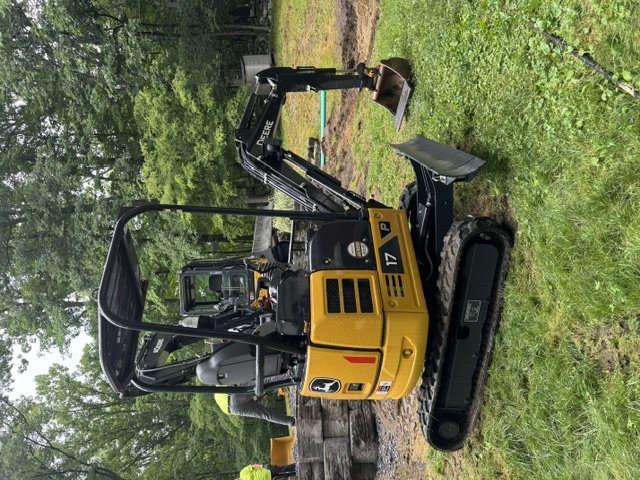
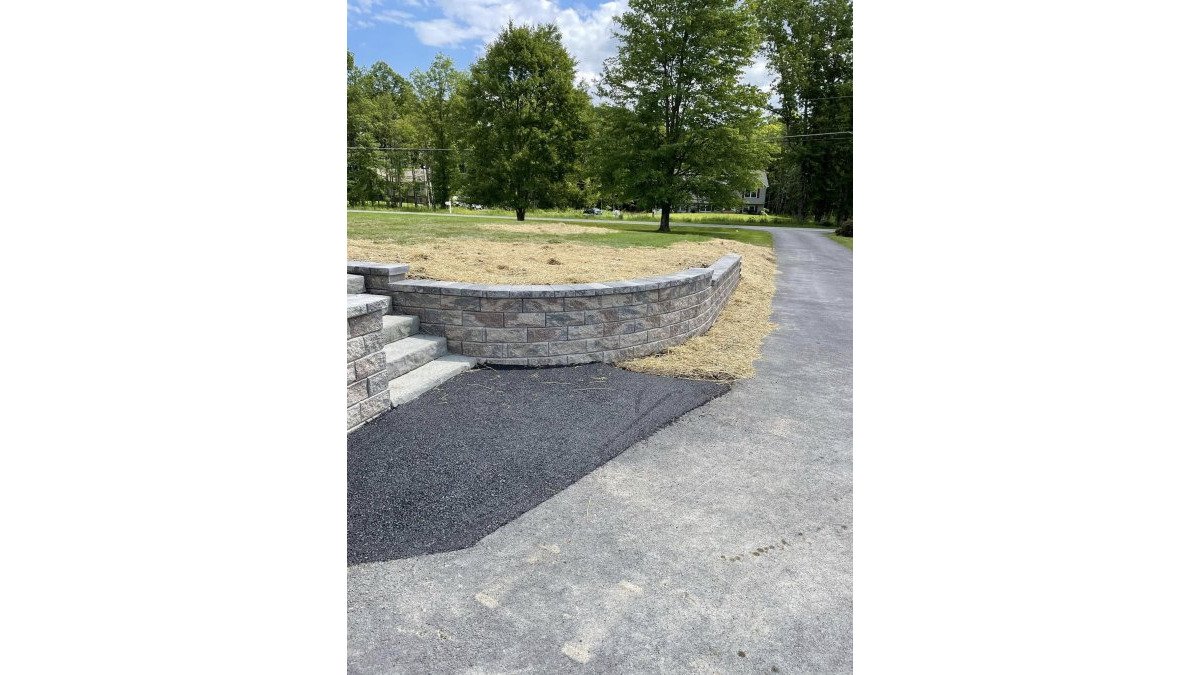
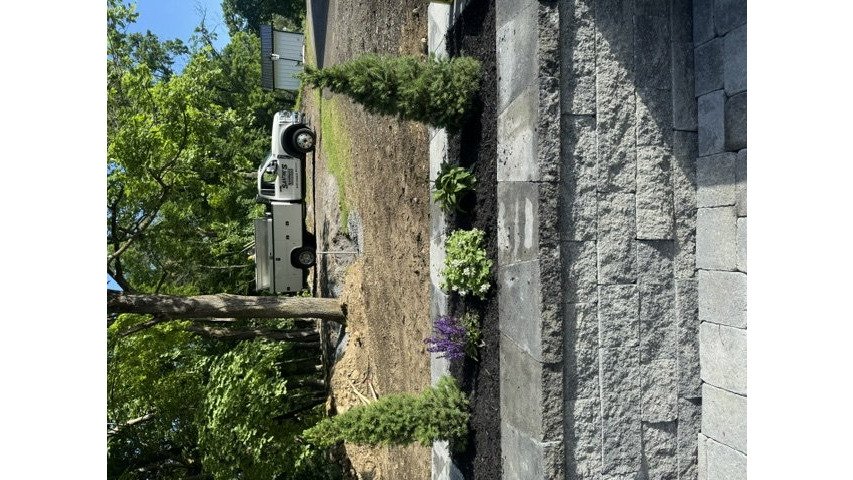
Slopes fail for one reason: water moves downhill faster than soil can absorb it. Landscaping design for slopes solves that with terracing, retaining walls, and plants whose roots knit soil together.
We build these systems as installers, and the order matters. Grade and drainage come first, then hardscape, then planting. Skip that sequence and even the best ornamental plants wash out in the first heavy storm.
Terrace a steep bank into two or three planted benches. For properties with serious erosion, professional site work and drainage correction usually cost less than repeated replanting.
Soil, Drainage, and Site Preparation Before You Plant
Soil composition decides which plants thrive before a single shovel hits the ground. Hudson Valley soils range from heavy clay to loam soil and silt drainage pockets, sometimes on the same property.
Test before you plant. A simple percolation check tells you how fast water moves through your soil, and that single number rules plants in or out.
- Well-drained loam: almost anything grows, including mountain laurel and magnolias
- Heavy clay: amend deeply and choose tough shrubs like ninebark
- Silty, slow-draining spots: plant water-tolerant species or install drainage first
Site preparation is not glamorous, but it is where root establishment is won or lost. Loosen compacted soil, amend with organic matter, and mulch properly. Mulching two to three inches deep, kept off the trunk, regulates soil moisture and suppresses weeds without smothering roots.
Privacy Screening and Winter Interest With Evergreens
Evergreen screens deliver privacy year-round, which deciduous hedges cannot. Broadleaf evergreens and needled varieties hold their structure through winter, blocking sightlines when you use the yard least but want privacy most.
Choosing the Right Evergreen for the Job
Not all evergreens screen the same way. Match the plant to the height, width, and growth rate you actually need:
- Arborvitae, fast-growing, narrow, the standard privacy workhorse. Reaches screening height in a few seasons but is vulnerable to deer browse and winter burn on exposed sites.
- Japanese holly, dense, glossy, slower-growing, and deer-resistant. Excellent for a lower, formal screen.
- Mountain laurel, native broadleaf evergreen, handles shade and dry ridges, blooms in late spring.
- Rhododendron, broadleaf evergreen with spring color; needs protection from winter wind and sun.
- Spruce and fir, needled evergreens for a tall, long-lived screen; slower to establish but far more wind-tolerant than arborvitae.
Spacing and Layering for a Screen That Reads as Designed
A single row of one species looks like a fence made of shrubs. A double row with mixed heights and textures reads as intentional landscape. The practical approach:
- Back row: tall, fast-growing evergreens for the primary sightline block.
- Front row: dwarf or slower-growing varieties that soften the base and add texture.
- Accent layer: a few broadleaf evergreens or ornamental grasses to break up the repetition.
Spacing is where most DIY screens fail. Plant too far apart and you wait years for the hedge to close. Plant too close and the shrubs crowd, shade each other, and thin out at the base. Most practitioners find that spacing evergreens so they touch at mature width, not at planting, gives the fastest closed screen without long-term crowding.
Check Local Screening Rules Before You Plant
Before you buy a single evergreen, check your municipality's screening and fence ordinance. Many towns cap hedge height, set setback distances from property lines, and treat a dense evergreen screen the same as a fence for permitting purposes. A screen that violates a setback can be ordered removed after it is established, an expensive mistake. A quick call to the building department before planting saves the whole project.
Winter Interest Beyond Evergreens
Winter interest comes from more than evergreens. Ninebark's peeling bark, winterberry's red fruit, and ornamental grasses left standing all carry a landscape through the gray months. Build the screen for privacy, then layer in winter interest so the yard stays worth looking at in January.
Micro-Climate Mapping and a Visual Maintenance Calendar
Micro-climate mapping is the practice of identifying the small pockets of your property that run warmer, colder, wetter, or drier than the rest. A south-facing wall can push a planting bed a half-zone warmer.
Map your yard in four passes, once per season, and note where snow melts first, where frost lingers, and where water pools. Then match plants to those pockets instead of treating the whole property as one zone.
A visual maintenance calendar keeps the planting alive without guesswork:
| Season | Task | Why It Matters |
|---|---|---|
| Early spring | Cut back perennials, refresh mulch | Clears winter damage before growth starts |
| Late spring | Plant after last frost, check drainage | Frost kills tender new roots |
| Summer | Water deeply, watch for pests | Deep watering builds drought tolerance |
| Fall | Plant shrubs, protect evergreens | Cool soil favors root establishment |
| Winter | Plan next year, note deer damage | Reveals what actually survived |
Budget-friendly landscaping comes from doing this work in the right order. Planting in fall, when soil is warm and air is cool, costs the same as spring planting but succeeds far more often.
The hardest part of a Hudson Valley planting is not choosing plants. From drainage correction and retaining walls to ornamental plantings and full landscape design, we build outdoor spaces meant to last.
Frequently Asked Questions
What are the best ornamental plants for USDA Zone 6 in the Hudson Valley?
Zone 6 covers most of the Hudson Valley, so reliable choices include native perennials like ironweed and frost aster, flowering shrubs such as ninebark and mountain laurel, and broadleaf evergreens for winter structure. These plants handle the region's freeze-thaw cycles and variable soil moisture. A professional designer can match specific varieties to your site's sun, drainage, and deer pressure.
How do I choose deer resistant ornamental plants that actually survive local winters?
Start with plants known for unpalatable foliage, such as mountain laurel, ninebark, and ornamental grasses, then layer them with taller evergreens and mid-size shrubs to create a protective barrier. Deer browse pressure varies by neighborhood, so combine resistant species with physical deterrents and avoid highly preferred plants like hostas and arborvitae near tree lines.
Can native plants for zone 6 really look as polished as traditional landscaping?
Yes. Native perennials like ironweed, frost aster, and native magnolias provide color, texture, and winter interest when arranged with intention. The key is designing in layers: groundcovers, flowering perennials, and structural shrubs. Native plantings also support pollinators and biodiversity, which many homeowners now prioritize.
What should I know about landscaping design for slopes before I plant?
Slopes need site preparation first: improve loam soil with organic matter, address silt drainage, and consider retaining walls or terraces to slow runoff. Choose deep-rooted shrubs and ornamental grasses that stabilize soil. Mulching heavily and avoiding thirsty plants on the steepest sections prevents erosion and root rot.