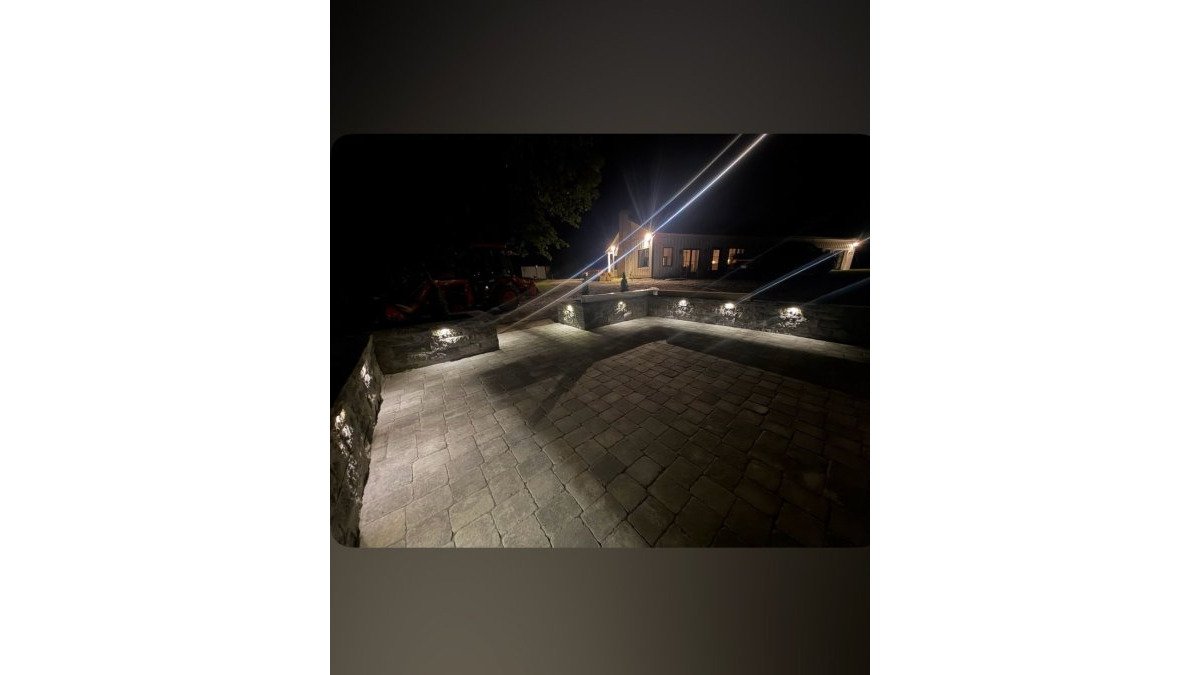
 ultimate-guide
Hiring Reliable Landscape Contractors: Hudson Valley Guide
Table of Contents
- Why Hiring Reliable Landscape Contractors in the Hudson Valley Matters
- Landscaping Contractor Vetting Checklist: What to Verify Before You Sign
- Questions to Ask Landscape Contractors Before You Commit
- How to Compare Landscaping Quotes Without Getting Burned
- Design vs. Maintenance: Two Different Skill Sets, Two Different Contracts
- Regional Expertise: Why Local Knowledge Separates Good Contractors from Great Ones
- Conclusion: Dreams Set in Stone Starts With the Right Contractor
- Frequently Asked Questions
Last Updated: September 18, 2026
Why Hiring Reliable Landscape Contractors in the Hudson Valley Matters
Hiring reliable landscape contractors in the Hudson Valley is the difference between an outdoor space that thrives for decades and one that needs expensive repairs within a few seasons. This guide from Santini's Landscape draws on our experience since 2004 to show you exactly how to vet, question, and compare contractors before you sign anything.
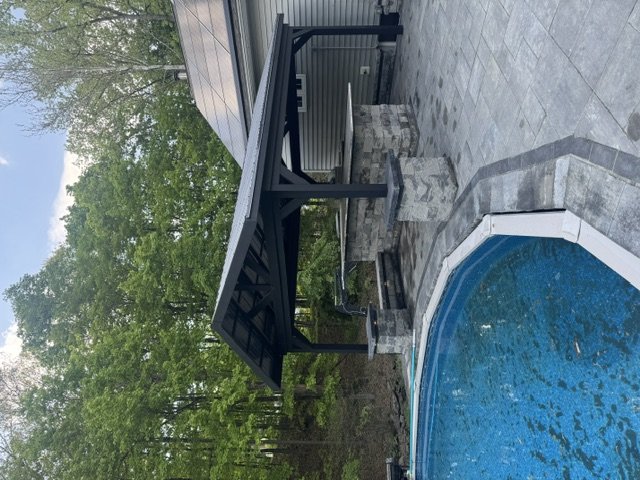
Landscaping Contractor Vetting Checklist: What to Verify Before You Sign
A proper landscaping contractor vetting checklist covers three things: credentials, proof of work, and a written scope. Verify all three before money changes hands.
Licensing, Insurance, and Business Credentials
Ask for a certificate of insurance showing both general liability and workers' compensation coverage, and confirm the policy is current by calling the insurer directly. A legitimate landscape contractor will hand these over without hesitation.
- General liability insurance certificate with current dates
- Workers' compensation coverage for every crew member on site
- State business registration matching the name on the contract
- Written warranty terms for both materials and labor
- Physical business address, not just a phone number
Red Flags That Should Stop You Cold
Demanding a large cash deposit upfront is the single most common warning sign. So is a quote delivered verbally with no written scope, and any contractor who cannot name a single local reference from the past year.
Questions to Ask Landscape Contractors Before You Commit
The best questions to ask landscape contractors are the ones that force specifics about scheduling, crew, and change orders. Vague answers here predict a vague project.
How to Compare Landscaping Quotes Without Getting Burned
Comparing landscaping quotes means normalizing them first: same scope, same materials, same timeline. Apples-to-apples comparison is the only way to spot the real outlier.
What Every Quote Should Include
| Quote Element | What to Look For | Why It Matters |
|---|---|---|
| Scope of work | Itemized tasks, not one lump sum | Prevents mid-project add-ons |
| Materials | Brand, grade, and quantity listed | Cheap substitutions get caught early |
| Timeline | Start date and completion date | Protects you from indefinite delays |
| Payment schedule | Tied to milestones, not calendar dates | Keeps use in your hands |
| Exclusions | Explicit list of what is NOT included | Eliminates surprise charges |
If a quote omits any row in that table, send it back before you compare it to anything else.
Design vs. Maintenance: Two Different Skill Sets, Two Different Contracts
Most homeowners searching for help never realize they are shopping two different industries. A mowing crew and a landscape designer can both call themselves "landscapers," but they carry different equipment, different insurance, different crews, and different contracts. Knowing which one you actually need is the fastest way to stop wasting estimates.
Here is the clean split.
What a Design-Build Contractor Actually Does
A design-build contractor handles the permanent, structural side of your property:
- Site assessment, grading, and drainage planning
- Hardscape installation, patios, walkways, retaining walls, fire features
- Planting plans and installation of trees, shrubs, and beds
- Excavation, base prep, and compaction
- Permitting coordination where the work touches structures or grades
What a Maintenance Provider Actually Does
A maintenance provider handles the recurring, seasonal side:
- Mowing, edging, and trimming on a weekly or biweekly schedule
- Mulching, weeding, and bed refresh
- Spring and fall cleanups, leaf removal, cutbacks, bed prep
- Irrigation checks and seasonal start-up/shut-down
- Fertilization and weed control programs
The equipment is lighter and the schedule is cyclical. The contract is typically a recurring service agreement billed monthly or per visit, not a project bid. There is no design phase and no structural work.
Why the Distinction Protects You
When the two get blurred into one handshake agreement, three things go wrong. First, structural work gets priced like maintenance, which means corners get cut on base depth and compaction. Second, maintenance gets treated as an afterthought, so the plantings installed in October are dead by July. Third, when something fails, nobody owns it, the design crew blames the maintenance crew and vice versa.
The Hybrid Firm, Handled Correctly
Some established firms do both. That is fine, as long as the scope is separated in writing. You should see two distinct documents: a project contract for the design-build work with a defined completion date, and a separate maintenance agreement with its own terms, frequency, and cancellation policy. If a single proposal tries to bundle a patio installation and a year of mowing into one lump sum, ask them to split it.
Regional Expertise: Why Local Knowledge Separates Good Contractors from Great Ones
Local knowledge decides whether a project survives its first winter. Contractors who work the same ground every season know which native plantings hold up, where drainage solutions fail, and how deep a patio base needs to sit. Out-of-area crews learn those lessons on your property, at your expense.
Soil: Heavy Clay Changes Everything
The dominant soil across much of the region is heavy clay, dense, slow-draining, and prone to compaction. That single fact reshapes almost every decision on a project:
- Plant selection. Clay holds water against root crowns. Species that tolerate wet feet, think native switchgrass, inkberry, winterberry, and red maple, outperform the ornamental species that thrive in sandier ground. A contractor who plants the same list here as they would in a lighter-soil market is setting you up for root rot.
- Drainage. Clay does not absorb stormwater quickly. Without amended soil, French drains, or grading that moves water away from the foundation, you get ponding in the lawn and hydrostatic pressure against basement walls. A contractor with regional experience reads that during the site assessment and prices the fix into the original scope.
- Base prep. Hardscape base depth and compaction matter more in clay because the subgrade does not drain. A base that would hold up on sandy ground can heave and shift here within a couple of seasons.
Freeze-Thaw Cycles: The Real Test
Winter is where shortcuts get exposed. Water enters the soil, freezes, expands, and pushes. Then it thaws, settles, and repeats. Over a single season, that cycle can move a poorly built patio or retaining wall enough to crack joints and open gaps.
Native Planting and Lawn Replacement
This is where regional expertise pays off twice: once in lower maintenance, and again in lower water demand. Native and regionally adapted species evolved with the local rainfall, temperature swings, and soil chemistry. They need less irrigation, fewer amendments, and less replacement over time than species fighting the climate.
Water, Slopes, and the Site Assessment
Sloped lots push runoff toward the wrong corner of a house if nobody plans for it. The fix is rarely a single product, it is a combination of grading, swales, drainage stone, and plant selection working together. That combination gets designed during the site assessment, before excavation starts. When it is priced into the original quote, you avoid the mid-project surprise.
Conclusion: Dreams Set in Stone Starts With the Right Contractor
Choosing a contractor is a vetting exercise, not a popularity contest. Verify credentials, ask the hard questions, normalize every quote, and confirm the crew actually knows this region's soil and seasons.
Frequently Asked Questions
What questions should I ask before hiring a landscape contractor?
Ask about their experience with projects like yours, whether they are licensed and insured, how they handle unexpected issues like poor soil or hidden drainage problems, and who will be on site each day. Request a written timeline and a detailed scope of work. Ask for references from similar projects within the past year. A reliable contractor will answer promptly and welcome your questions. You Need Santini's if you want a team that focuses on one project at a time and keeps you informed from start to finish.
How do I verify the credentials of a landscaping company?
Request a copy of their liability insurance and workers' compensation certificates. Verify the business registration with your state or county. Check online reviews and ask for local references you can contact. A legitimate contractor will provide these without hesitation. Be cautious if they cannot show proof of insurance or pressure you to skip a written contract. Professional landscaping companies expect you to do your homework and are happy to help.
What are the red flags when hiring a landscape contractor?
Watch for demands for large upfront cash payments, no written contract, no physical business address, and vague answers about insurance or timelines. If a contractor says they can start tomorrow but cannot provide references, that is a warning sign. Also be wary of quotes that are dramatically lower than others without explanation. Reliable contractors provide clear scopes, realistic schedules, and proof of credentials. Trust your instincts if something feels off.
How does project management differ between landscaping firms?
Some firms juggle many jobs at once, meaning your project may sit idle for days while crews rotate. Others, like Santini's Landscape, complete one project before moving to the next. Ask how many active jobs they run simultaneously and who your main point of contact will be. A dedicated project manager keeps communication clear and ensures issues are addressed quickly. This difference often shows up in the quality of the finished work and your overall experience.
The hardest part of any outdoor project is not the design or the budget. It is trusting the crew that shows up. Santini's Landscape handles patio design, retaining wall construction, and professional site preparation with a focus on craftsmanship and complete client satisfaction. Request a free quote and get a written scope, a clear timeline, and a team that finishes what it starts.