 how-to
How to Solve Backyard Drainage: A Step-by-Step Guide
Table of Contents
- Identify Your Drainage Problem First
- French Drain Installation for Persistent Water Issues
- Grading and Excavation to Redirect Surface Runoff
- Drainage Solutions for Sloped Yards
- Install a Dry Creek Bed or Swale
- Fix Downspout and Gutter Issues
- When to Call a Professional for Drainage Work
- Frequently Asked Questions
Last Updated: September 23, 2026
How to Solve Backyard Drainage: A Step-by-Step Guide
Pooling water damages your foundation, kills grass, and breeds mosquitoes. Most backyard drainage issues have straightforward solutions.
This guide identifies your problem and shows how to fix it, French drains, grading, or professional help. Your outdoor space should work for you. That's why we say "Dreams Set in Stone", solving drainage is the foundation that makes those dreams possible.
Identify Your Drainage Problem First
Water pools because the ground isn't absorbing it fast enough, or the slope pushes it toward your house instead of away.
Look for these signs:
- Water sitting in one spot for hours after rain
- Soggy patches that stay wet for days
- Erosion channels where water runs during storms
- Cracks in your foundation or basement moisture
- Dead grass in specific areas
- Mosquitoes congregating in one zone
Walk your property after a heavy rain and watch where water flows. Is it coming from roof runoff, groundwater, or surface runoff? Each source needs a different fix.
French Drain Installation for Persistent Water Issues
A French drain intercepts underground water before it reaches your problem area. A trench dug below the water level collects moisture and channels it away using a perforated pipe wrapped in filter fabric.
What you'll need:
- Shovel and digging tools
- Perforated drainage pipe (4-inch standard)
- Filter fabric or geotextile
- Drainage aggregate (gravel)
- Landscape rake
Basic installation steps:
- Dig a trench 2-3 feet deep along the problem area, sloping slightly downhill
- Line the bottom with 2-3 inches of drainage aggregate
- Lay the perforated pipe on top, sloping toward your exit point
- Wrap the pipe in filter fabric to prevent soil clogging
- Cover with more drainage aggregate
- Top with soil and reseed grass
The key is slope, aim for 1 inch of drop per 8 feet of length. Bury the pipe deep enough to stay below your frost line, or frost heaves will shift it and stop it working.
Grading and Excavation to Redirect Surface Runoff
If water runs toward your house instead of away, regrading reshapes your yard to redirect it. Surface runoff follows the slope, if your yard slopes toward your foundation, water pools there.
Understanding Your Soil Type Matters
Clay soil compacts and sheds water like concrete; regrading alone won't solve pooling. Combine it with soil amendment, breaking up clay and mixing in organic matter to improve permeability. Sandy soil drains fast but erodes easily; regrading requires gentler slopes and stabilization with plantings or mulch.
The Slope Formula
Most yards need 1-2 feet of elevation change over 10-15 feet of distance. In heavy rainfall regions, use 1 inch drop per 6 feet; in drier climates, 1 inch per 10 feet works fine. Avoid slopes so steep they cause erosion, professional contractors balance water movement with erosion prevention.
Regrading Process
Regrading involves removing topsoil from high spots, filling low spots with amended soil, compacting in layers, and reseeding. Compaction is critical, loose soil settles over time, undoing your slope. Professional equipment compacts soil in 6-inch lifts; hand tamping is unreliable.
For larger yards or heavy clay soil, regrading is part of a bigger plan, combine it with French drains, soil amendment, or swales. Breaking up compacted clay and adding organic matter helps water soak in instead of pooling. Gentle slopes are more stable and blend into your landscape. "Dreams Set in Stone" starts with proper grading, get the slope right, and the rest of your drainage system works as designed.
Drainage Solutions for Sloped Yards
Sloped yards create their own challenges. Water rushes downhill fast, causing erosion. It also flows toward neighbors or low spots on your property.
For sloped yards, consider:
- Terracing to slow water flow
- Swales to guide water in controlled paths
- Permeable pavers to let water soak through
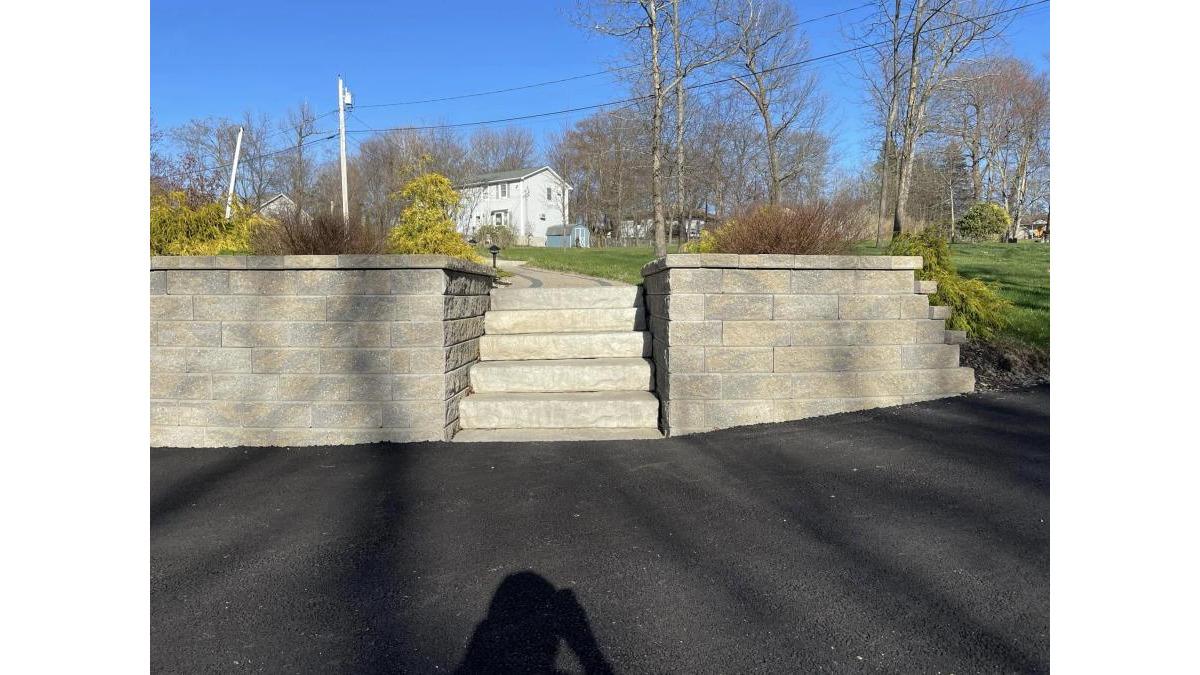
- Retaining walls to hold soil and manage drainage
Swales are shallow, grassy channels that direct water. They're gentler than ditches and blend into your landscape. Water flows slowly through the swale, giving soil time to absorb it.
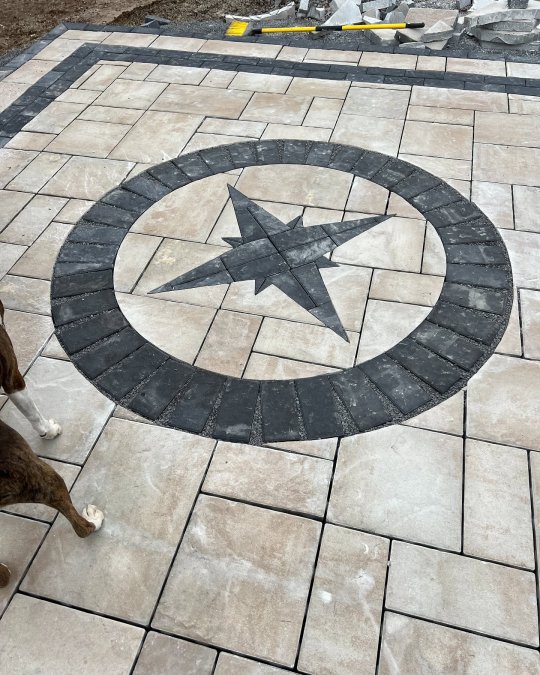
Permeable pavers let water drain through instead of running off. They're ideal for patios, walkways, and driveways on slopes. Water soaks down, reducing runoff.
A key principle: slow water down. Fast-moving water erodes soil and carries sediment. Slow water soaks in or flows away safely.
Terracing with retaining walls creates flat areas that stop erosion. Each terrace acts as a mini drainage basin, catching water and letting it soak in before moving downhill.
Professional grading contractors use equipment to shape slopes precisely. They understand water flow and soil stability in ways that prevent future problems.
Install a Dry Creek Bed or Swale
A dry creek bed is an attractive way to manage water. It's a shallow channel filled with gravel and river rocks. During storms, water flows through it like a creek. Most of the time, it's a decorative landscape feature.
Swales serve the same purpose but with grass instead of gravel. Both slow water down and guide it away from problem areas.
Building a dry creek bed:
- Dig a shallow channel (6-12 inches deep) sloping downhill
- Line with filter fabric to prevent soil mixing
- Add 2-4 inches of landscape aggregate
- Top with river rocks and larger stones
- Plant native plants along the edges
The slope is critical. Without it, water won't flow. Aim for gentle grades that look natural.
Dry creek beds work well in front yards or along property lines. They add visual interest while solving drainage. Swales work better in back yards where you want grass coverage.
Both require maintenance. Debris collects in the channel. Rocks shift. But maintenance is simple, clearing debris and raking gravel back into place.
These solutions are ideal when you want to blend drainage work into your landscape design. You're not hiding the solution; you're making it a feature.
Fix Downspout and Gutter Issues
Your roof sheds a lot of water. During a heavy rain, gutters collect thousands of gallons. If downspouts dump that water near your foundation, you've created a drainage problem.
Common downspout mistakes:
- Downspouts ending at the foundation
- Gutters clogged with leaves and debris
- Downspouts too short to redirect water far enough
- Gutters sagging or pulling away from fascia
The fix is simple: extend downspouts at least 4-6 feet away from your house. Better yet, 10 feet or more. That water needs to travel far enough that it doesn't seep toward your foundation.
Downspout solutions:
- Add extensions (rigid or flexible pipe)
- Install downspout diverters to direct flow
- Use underground drainage pipes to carry water further
- Connect to dry creek beds or swales
Clean gutters twice a year. Clogged gutters overflow, dumping water where it shouldn't go. Debris also adds weight, causing gutters to sag.
Check gutter slope. Water should flow toward downspouts, not pool in the middle. Sagging gutters need to be rehung at the correct angle.
This is the easiest drainage fix. You can do it yourself with basic tools. The payoff is huge, proper gutter management prevents foundation damage and basement moisture.
When to Call a Professional for Drainage Work
Some drainage problems need professional help. But knowing when to hire a contractor versus tackling it yourself can save thousands in failed repairs or costly mistakes. The decision hinges on three factors: complexity, legal requirements, and your soil conditions.
Complexity and Scope
Small fixes, extending downspouts, cleaning gutters, raking a dry creek bed, are DIY-friendly. You need basic tools and a few hours.
Medium projects like installing a French drain in a small area or regrading a confined space are possible for homeowners with some experience, but they demand precision. A French drain installed at the wrong slope won't work. Regrading done without proper compaction settles and fails within a year. If you've never done this work, the learning curve is steep and mistakes are expensive.
Large-scale projects, draining an entire yard, installing a sump pump system, extensive excavation, or addressing water coming from under your foundation, require professional equipment and expertise.
Legal and Permit Requirements
- Altering grading or slope on your property
- Installing subsurface drainage systems (French drains, sump pumps)
- Directing water across property lines
- Work within a certain distance of a foundation
- Disturbing more than a set amount of soil (often 50-100 cubic yards)
Soil and Water Table Uncertainty
Call a Professional When:
- Water is coming from under your foundation or basement is damp
- The problem covers a large area (more than a few hundred square feet)
- You need to install a sump pump or subsurface drainage system
- Grading or excavation is extensive (more than a few hours of work)
- Soil conditions are uncertain or you've hit unexpected obstacles
- Your project requires a permit (check with your local building department)
- Water is flowing from your property to a neighbor's, or vice versa
- You're unsure whether the solution you're considering will actually work
DIY vs. Professional: The Real Trade-Off
Frequently Asked Questions
How do I identify the source of my backyard drainage issues?
Look for standing water that remains hours after rain, soft or spongy soil, dead patches of grass, and water pooling near your foundation. Observe where water flows during rainfall, this shows your drainage basin patterns. Clay soil compaction and low topography are common culprits. If water appears near your foundation, subsurface drainage problems may exist. Document these signs before calling a professional.
What's the difference between a French drain and a dry creek bed?
A French drain uses perforated pipe buried in a trench with filter fabric and drainage aggregate to move water underground, ideal for subsurface drainage and foundation protection. A dry creek bed is a visible landscape feature that channels surface runoff through decorative rocks and plants, adding aesthetic value while controlling water diversion. French drains handle persistent water table issues; dry creek beds work for seasonal runoff and landscape grading problems.
Can I fix my backyard drainage myself, or do I need a professional?
Simple fixes like extending downspouts or aerating compacted soil are DIY-friendly. However, French drain installation, major grading and excavation, and subsurface drainage systems require professional equipment, permits, and expertise to ensure proper drainage slope and hydrostatic pressure management. Mistakes in trench depth or perforated pipe placement waste money and fail to solve the problem. When in doubt, get a professional assessment, Dreams Set in Stone.
What maintenance does a drainage system need after installation?
French drains need annual inspection for filter fabric clogging and perforated pipe blockages. Keep gutters and downspout diverters clear of debris. Aerate your lawn every 1-2 years to prevent soil compaction. Check catch basins and drainage aggregate for sediment buildup. In areas with heavy clay soil, monitor for erosion control issues. You Need Santini's for professional maintenance if problems develop.