 How-to
Landscape Design for Improved Curb Appeal That Lasts
Last Updated: November 6, 2026
Quick Summary
Landscape design for improved curb appeal means shaping your front yard's layout, plantings, and hardscape so the house looks cared for from the street. Focus on design logic: a clear path, one strong focal point, and plantings that stay tidy through every season.
- Group plants in odd counts using the 3-5-7 rule so beds look natural, not lined up.
- Fund Tier 1 first: fresh mulch, crisp edging, pruning, and power washing.
- Set the walk, steps, and edging before planting so plants go around fixed features.
- Size every plant by mature spread, not nursery size, to avoid overcrowding.
- Mulch two to three inches deep, kept back from trunks and stems.
Table of Contents
- Why Landscape Design Drives Curb Appeal and Home Value
- Landscape Design Principles That Make a Front Yard Work
- Curb Appeal Ideas for Front of House
- Curb Appeal Ideas for Front of House on a Budget
- Ornamental Trees for Front Yard Impact and Shade
- Hardscaping, Walkways, and the Welcoming Entrance
- A Step-by-Step Plan for Installing Your Front Yard Design
- Request a Free Quote from Santini's Landscape
- Frequently Asked Questions
Why Landscape Design Drives Curb Appeal and Home Value
Landscape design for improved curb appeal is the practice of shaping a front yard's layout, plantings, and hardscape so the house looks cared for from the street. That first impression does real work. It shapes what a visitor feels before they reach the door.
The logic is simple. A front yard is the only part of a home every passerby sees. Buyers often decide how they feel about a house from the driveway. Sellers who plan the front yard well tend to get more attention and better offers.
Here is the part most guides miss. Curb appeal is not about buying the most plants. It's about design logic: a clear path, a strong focal point, and plantings that stay tidy through every season.
Below, we'll show you exactly how to plan a front yard that looks good now and holds up for years.
Landscape Design Principles That Make a Front Yard Work
Good landscape design principles come down to four things: balance, scale, repetition, and a clear focal point. Get those right and even a modest planting bed looks intentional.
Here is how we think about each one:
- Balance: weight on both sides of the entry, not a heavy bed on one side only
- Scale: plants sized to the house, not swallowed by it or towering over it
- Repetition: the same shrub or flower repeated to tie the yard together
- Focal point: one feature the eye lands on, usually the front door
The 3-5-7 Rule and Other Planting Ratios
The 3-5-7 rule is a planting guideline that groups plants in odd numbers, using three, five, or seven of a kind, to look natural instead of lined up. Odd counts read as organic. Even counts can look stiff.
Use it like this. Plant three of one shrub in a cluster, five of another nearby, and seven of a low grower at the front of the bed. Repeat the same groups across the yard for rhythm.
A common mistake is planting single specimens of many species. That looks busy. Fewer kinds, repeated more, always looks better.
Curb Appeal Ideas for Front of House
The strongest curb appeal ideas for front of house start at the street and work toward the door. Layer the yard so the eye moves naturally from the sidewalk to the entry.
Try this sequence:
- Frame the walkway with low plants so the path reads clearly
- Anchor the corners of the house with taller shrubs
- Add seasonal color near the door for a fresh look
- Edge the beds for a crisp, finished line
- Light the path for evening appeal
For a deeper list of options to compare against this section, see our guide to front yard landscaping ideas for curb appeal.
Curb Appeal Ideas for Front of House on a Budget
Budget-friendly upgrades deliver instant curb appeal without a full redesign, but the difference between a cheap fix and a smart investment is knowing which layer of the yard you are buying.
Tier 1, Refresh and tidy (lowest investment). Fresh mulch in every bed, crisp edging along walks and beds, pruning overgrown shrubs back into shape, and power washing the walk and steps can reset the yard's first impression without changing the layout.
Tier 2, Replant and repeat (mid-range). Here you replace one-off specimens with repeated groups: three of one shrub, five of another, seven of a low grower at the bed's front edge. Add a few repeating perennials for seasonal color and a single ornamental tree as a corner anchor.
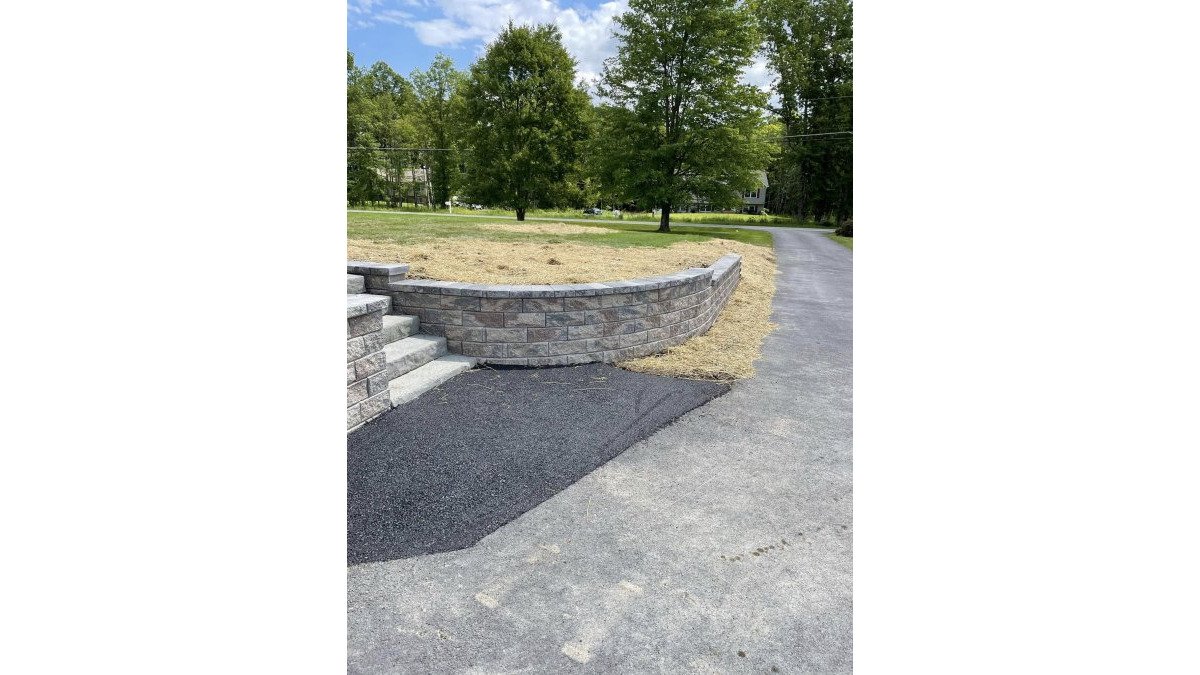
Tier 3, Rebuild the hardscape (higher investment). Widening a narrow walk, fixing a steep grade, resetting stone steps, and adding stone edging are the changes that hold their shape for decades.
Where we would spend first, in order:
- Fresh mulch in every bed for a polished appearance
- Edging along walks and beds for clean lines
- A few repeating perennials instead of many one-offs
- Pruning overgrown shrubs back into shape
- Power washing the walk and steps
Skip the expensive specimen plants for now. Structure and tidiness beat pricey plants every time on a tight budget, and a specimen planted before the walk and grade are right usually gets moved or lost.
Watch out: spending the whole budget on plants before the hardscape is settled is the most common budget mistake we see. You end up digging up healthy plants to fit the walk, which doubles the cost of both.
A practical way to sequence a limited budget is to fund Tier 1 completely, then pick one Tier 2 bed to replant fully rather than spreading new plants thinly across the whole yard. A single finished bed reads as intentional; half-finished beds everywhere read as unfinished. If the walk or steps are failing, move that repair ahead of Tier 2 planting, because hardscape is the frame the plantings hang on.
For a deeper list of options to compare against this section, see our guide to front yard landscaping ideas for curb appeal.
Ornamental Trees for Front Yard Impact and Shade
Ornamental trees for front yard use add height, shade, and a focal point that low plantings can't match. They also soften a tall facade.
Choose by mature size, not by how the tree looks in the nursery. A tree that outgrows its spot becomes a maintenance problem. Match the tree to the space you actually have.
Good roles for an ornamental tree:
- Corner anchor to frame the house
- Shade over a seating area or walk
- Seasonal color with spring bloom or fall foliage
To weigh the payoff before you commit, read the benefits of adding ornamental trees to your landscape.
Hardscaping, Walkways, and the Welcoming Entrance
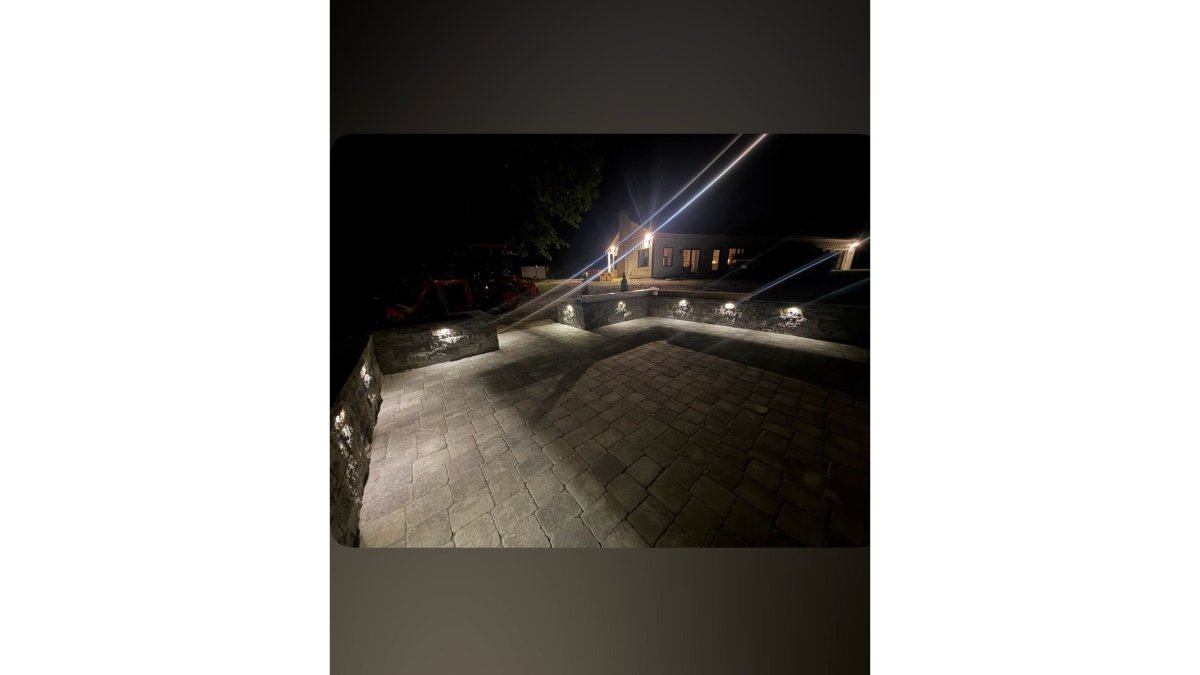
Hardscaping, walkways, and the entrance carry the design. Stone holds its shape for decades, so the walk and steps set the tone for everything planted around them.

A welcoming entrance follows a few rules:
- A walk wide enough for two people to pass
- Gentle steps with consistent rise
- Stone edging to separate beds from lawn
- A landing at the door for plants and lighting
Watch out: a narrow, steep walk feels unwelcoming and gets slippery in winter. Fix the grade and width before you spend on plants.
For current local styles in stone and layout, browse modern hardscape design trends for Hudson Valley homes.
A Step-by-Step Plan for Installing Your Front Yard Design
A sequenced plan keeps a front yard project on track and on budget.
| Step | What Happens | Why It Matters |
|---|---|---|
| 1. Assess | Check grade, drainage, sun, soil | Prevents plant loss and water problems |
| 2. Measure and plan | Sketch layout, pick focal point, size plants by mature habit | Keeps the design coherent and avoids overcrowding |
| 3. Hardscape | Set walk, steps, edging first | Plants go in around fixed features |
| 4. Soil | Amend and grade beds | Roots establish faster |
| 5. Plant | Trees, shrubs, then perennials | Largest plants first, smallest last |
| 6. Mulch | 2-3 inches, kept off trunks | Weed suppression and moisture |
| 7. Maintain | Prune, water, refresh mulch | Protects the investment |
Step 1, Assess. Walk the yard at two times of day to read sun exposure, and check where water stands after rain. Note the soil type by feel: gritty and fast-draining, or sticky and slow. These readings decide which plants can survive without constant replacement.
Step 2, Measure and plan. Measure the house frontage, the walk width, and the depth of each bed, then sketch the layout to scale.
Step 3, Hardscape. Set the walk, steps, and edging before any plant goes in the ground.
Step 4, Soil. Amend and grade the beds so water moves away from the foundation rather than pooling against it.
Step 5, Plant. Install largest to smallest: trees first, then shrubs, then perennials. This order lets you set spacing against real mature sizes and keeps foot traffic off finished beds.
Step 6, Mulch. Two to three inches, pulled back from trunks and stems. Mulch holds moisture and suppresses weeds, but piled against bark it invites rot and pests.
Step 7, Maintain. Pruning, watering through establishment, and refreshing mulch each season protect the investment.
A common mistake is planting before the hardscape is set. You end up digging up healthy plants to fit the walk. Do the stone first.
Drainage deserves a check at step one. Poor drainage undermines patios and beds alike, and fixing it early costs far less than repairing it later. Our team handles site work and preparation as part of the plan.
Watch out: skipping the mature-size check at step two is the most expensive shortcut in the sequence. Overplanted beds look full for two seasons, then require removal and replanting, which costs more than the original install.
Request a Free Quote from Santini's Landscape
Curb appeal that lasts comes from good design and clean installation, not guesswork. That's where we come in. We take on one project at a time, so your front yard gets our full attention from the first sketch to the last paver.
Before you call, it helps to know what to ask. Read our questions to ask a landscape designer so the conversation starts on solid ground.
Dreams Set in Stone. You Need Santini's.
Get started with Santini's Landscape and a front yard built to look right for years. Reach out through our contact page to request a free quote.
Frequently Asked Questions
What are some landscape ideas for improving curb appeal?
Start with the entrance: a clean stone walkway, edged garden beds, and fresh mulch change how a front yard reads from the street. Then layer planting by height, with low perennials in front, shrubs behind, and an ornamental tree as a focal point. Add a defined lawn edge and consistent seasonal color. The strongest curb appeal comes from a layout that looks intentional rather than crowded, which is why a design plan comes before any plant goes in the ground.
What is the 3-5-7 rule in landscaping?
The 3-5-7 rule is a planting guideline that groups shrubs and trees in odd numbers, usually three, five, or seven of a kind, rather than pairs. Odd groupings look more natural because the eye cannot split them into symmetrical halves. Repeat the same plant within a group so the bed reads as one mass instead of a collection of singles. It works especially well along a front walkway or foundation bed where you want rhythm without clutter.
How can I improve my front yard curb appeal on a budget?
Focus on the elements that read from the street. Re-edge existing beds, refresh mulch, and prune overgrown shrubs before buying anything new. Add seasonal color in containers at the entry, and replace a worn walkway light or house numbers. If you have a bare foundation, one well-placed ornamental tree does more than a dozen small plants. Budget-friendly upgrades work best when they sharpen the layout you already have rather than adding new elements.
Which plants work well near a home's entrance?
Choose plants that stay tidy without constant pruning and handle your climate. Boxwood and hydrangea are reliable near a Hudson Valley entry, with azalea and roses adding seasonal color. Keep mature size in mind: a shrub that outgrows its spot will block windows and crowd the door. Repeat one plant on both sides of the walk for balance, and leave room for perennials in front so the entrance stays colorful through the season.
Your front yard is the first thing anyone sees, and it should look as good as the home behind it. Santini's Landscape brings craftsmanship, premium materials, and a one-project-at-a-time approach to every install. Dreams Set in Stone. You Need Santini's. Get started with Santini's Landscape and a front yard that holds its curb appeal season after season.