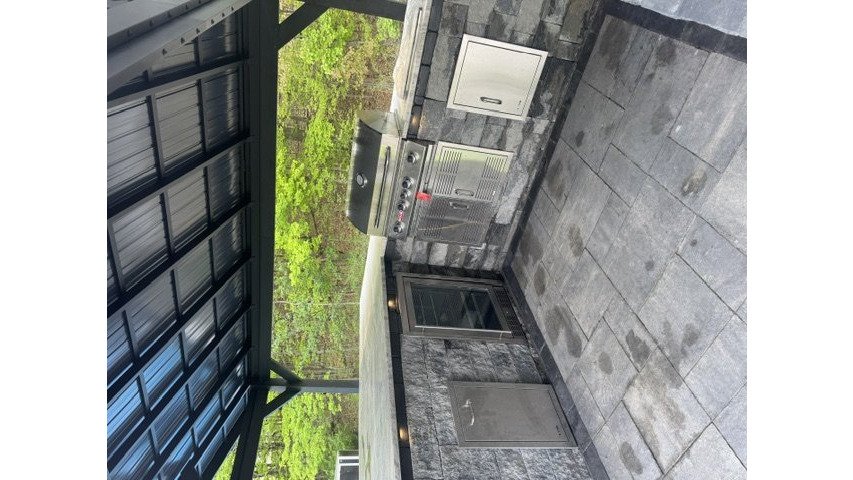
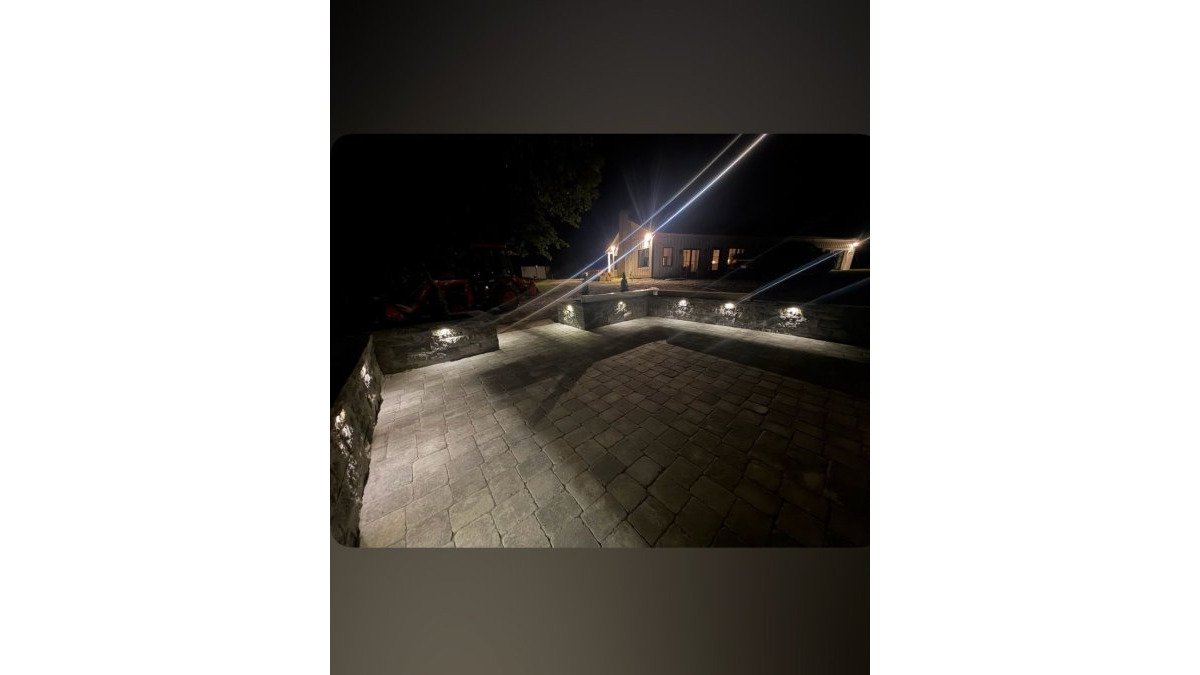
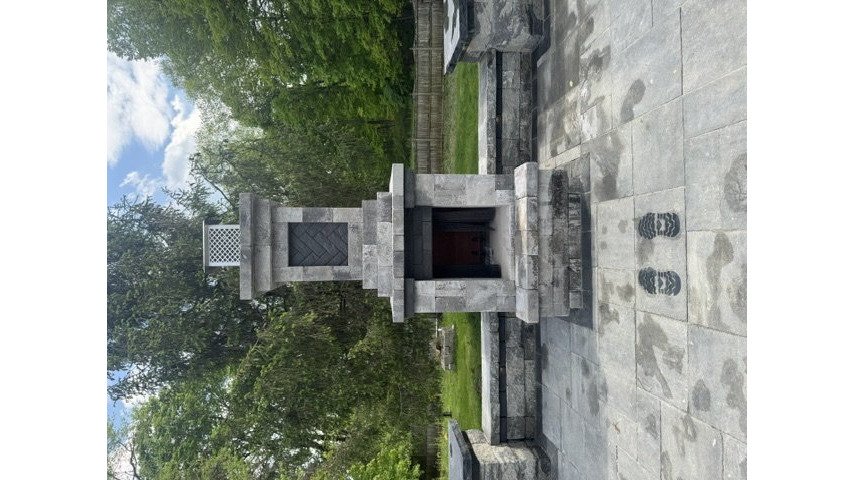
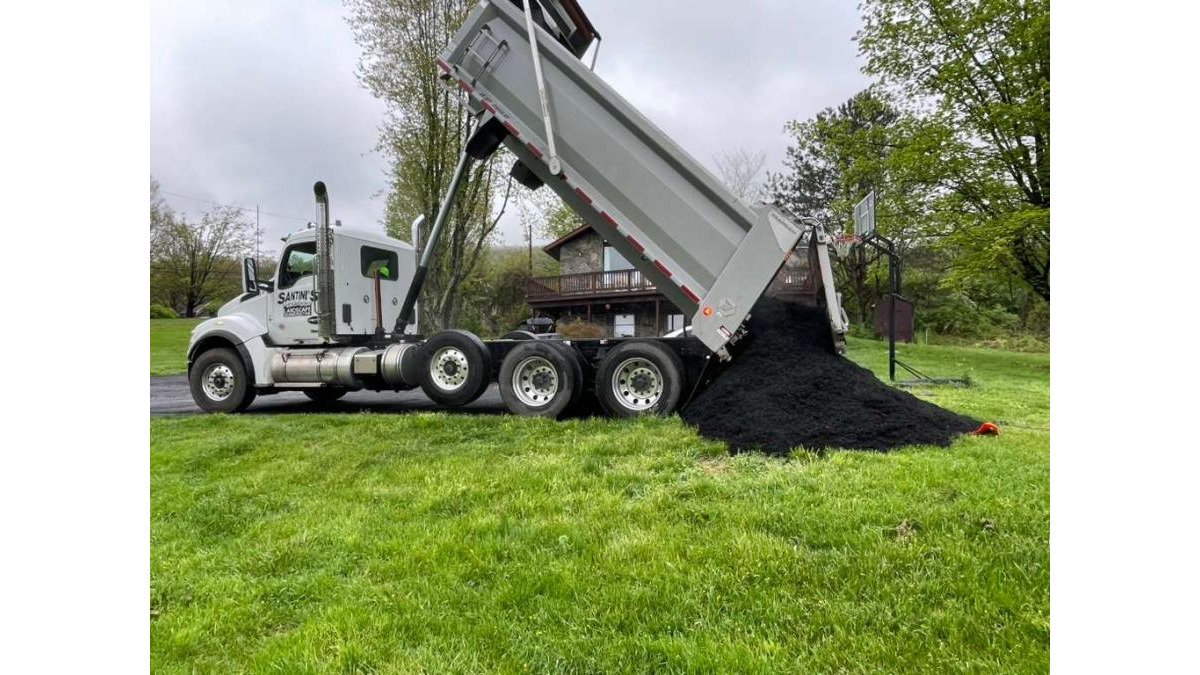
 listicle
Questions to Ask a Landscape Designer: A Homeowner's Checklist
Last Updated: November 2, 2026
Quick Summary
Ask a landscape designer whether they also build what they design, how they handle scope, exclusions, and change orders, and who pulls permits and calls for utility locates. Confirm deliverables, plan ownership, payment tied to milestones, and aftercare in writing before you sign.
- Bring a budget range, plot plan, inspiration photos, and notes on how your household uses the yard.
- A proposal should state scope, deliverables, design fees, payment schedule, and change-order triggers.
- Compare bids line by line, since a cheaper proposal that omits drainage or soil prep is incomplete.
- Ask who supervises the crew daily and who is responsible when specialty trades conflict with the plan.
- Confirm who waters new plantings, how long establishment lasts, and what the warranty covers.
Table of Contents
- Why the Right Questions Change Your Entire Landscape Project
- Landscape Design Consultation Checklist: What to Bring and Ask
- Landscape Designer Interview Questions That Reveal Real Experience
- What to Expect From a Landscape Design Proposal
- The Landscape Design Process and Timeline, Start to Finish
- Contracts, Permits, and Construction Oversight: Questions Competitors Skip
- Comparing Proposals Fairly and Planning for Aftercare
- Request a Free Quote From Santini's Landscape
- Frequently Asked Questions
Why the Right Questions Change Your Entire Landscape Project
The questions you ask a landscape designer before signing anything decide more about your finished backyard than the design itself.
That matters because a landscape project is a construction job wearing a garden's clothes. Grading, drainage, and base preparation decide whether a patio still sits level after five winters.
Below, we walk through the exact questions that separate a real designer from a good talker, plus the contract, permit, and aftercare items most checklists skip. Dreams Set in Stone. That only happens when the questions come first.
Landscape Design Consultation Checklist: What to Bring and Ask
Bring four things to a first consultation: a rough budget range, photos of what you like, a survey or plot plan if you have one, and a list of how your household actually uses the yard. The best first meeting is a working session, not a sales pitch.
What to bring:
- Property survey, plot plan, or deed map
- Photos of styles, materials, and plants you respond to
- A realistic budget range, not a single number
- Notes on drainage problems, soggy spots, or erosion
- Your must-haves and your deal-breakers
- A list of who uses the space: kids, dogs, guests, gardeners
Questions to ask:
- What is the project scope you see here, and what is excluded?
- How do you assess site conditions, sun exposure, and orientation?
- Which garden style fits this property and why?
- What are the design deliverables, and do I own the plans?
- How do you handle plant selection and plant sourcing?
Watch out: arriving with no budget range invites a ballpark estimate built on guesswork, and that number rarely survives contact with real site conditions.
Landscape Designer Interview Questions That Reveal Real Experience
Experience shows up in specifics. Ask how long the firm has installed what it designs, who supervises the crew on site, and what happens when soil or drainage turns out worse than expected.
The strongest question in the whole interview is simple: does the designer also build? A design-only firm hands you a plan and walks away.
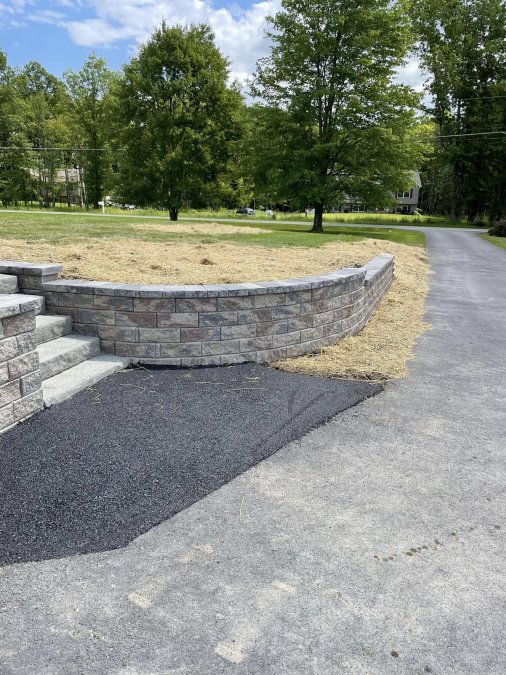
Ask to see a portfolio of past projects, then request references from jobs completed at least two years ago. For guidance on vetting contractors in our region, see our article on hiring reliable landscape contractors.
What to Expect From a Landscape Design Proposal
A landscape design proposal should state scope, deliverables, design fees, a payment schedule, and what triggers a change order. If any of those five items is missing, you are looking at an estimate, not a proposal. The difference matters because an estimate invites assumptions, and assumptions become change orders once the crew is on site.
Read it in this order:
- Scope: what is built, what is not, and who supplies what
- Deliverables: concept sketches, landscape plans, 3D rendering, plant list
- Fees: design fees separated from installation cost
- Schedule: project milestones and who holds the calendar
- Terms: payment schedule, change orders, warranty language
How to Read a Proposal Like a Contractor
Start with the exclusions page, not the price. A strong proposal names what is excluded, rock excavation, disposal of spoils, utility relocation, permit fees, irrigation tie-ins, so you can see the edges of the job before you sign.
Next, check whether materials are specified by name and quantity. "Premium pavers" is not a specification; a named manufacturer, color, and square footage is.
Finally, look at how the proposal handles allowances. An allowance is a placeholder number for a selection not yet made, lighting fixtures, specimen plants, stone veneer.
Comparing Proposals Fairly
Compare bids line by line, not by bottom line. A cheaper proposal that omits drainage, soil prep, or disposal is not cheaper; it is incomplete. Use the same checklist across every candidate so the comparison is apples to apples:
| What to Compare | Weak Proposal | Strong Proposal |
|---|---|---|
| Scope | Vague, excludes site prep | Line-item scope, exclusions named |
| Materials | "Premium" with no names | Named materials and quantities |
| Drainage | Not mentioned | Grading and drainage detailed |
| Allowances | None disclosed | Itemized with overage terms |
| Schedule | Single finish date | Milestones with weather slack |
| Aftercare | None | Watering plan, warranty, check-in |
The goal is not to find the lowest number; it is to find the proposal whose scope, materials, and terms you can actually hold someone to. Dreams Set in Stone starts with a scope you can read.
The Landscape Design Process and Timeline, Start to Finish
A typical design and installation sequence runs: consultation, site assessment, concept design, revision, final plans, permitting where required, installation, and aftercare. Each stage has a decision point where you sign off before the next begins.
Timeline milestones to confirm in writing:
- Consultation and brief: your goals, budget, and household needs
- Site assessment: measurements, grading, drainage, sun exposure
- Concept and revision: one or two rounds, defined up front
- Final landscape plans: planting plan, hardscape details, materials list
- Permits and utility checks: before excavation, not after
- Installation: sequenced by crew and weather
- Walkthrough and aftercare: punch list and establishment period
Ask what happens if weather or a permit delays the start. Good firms build slack into the schedule; poor ones promise a date they cannot hold.
Contracts, Permits, and Construction Oversight: Questions Competitors Skip
This is where most homeowners stop asking, and where most disputes begin. Get the contract, permit responsibility, and site supervision answers in writing before work starts. The questions below go past the standard checklist into the mechanics that decide whether your project runs cleanly or turns into a series of uncomfortable conversations.
Contract Terms and Payment Mechanics
- Contract form: Is the agreement written and signed, and does it include a start date, a completion estimate, and cancellation terms? Verbal agreements are not contracts you can enforce.
- Payment schedule: Are payments tied to completed milestones, design sign-off, permit issuance, excavation complete, hardscape installed, rather than calendar dates? Progress-based payments keep leverage on your side.
- Deposit and retainage: What deposit is required, and is any portion held back until punch-list completion? A retainage held until final walkthrough is a normal accountability tool.
- Change orders: What is the written process, who signs off on added cost, and is there a markup on changed work? Ask for the change-order form before you need it.
- Plan ownership: Do you own the final plans and renderings once the design fee is paid, or does the designer retain them? Ownership affects whether you can bid the installation elsewhere.
- Warranty: What is covered, for how long, and what voids it? Get the warranty language in the contract, not in a verbal promise.
Permits, Zoning, and Utility Locates
Permit responsibility is the single most common source of finger-pointing on outdoor projects. Ask directly: who pulls the permit, who pays the fee, and who schedules the inspection?
- Permits: Which elements require a permit, retaining walls over a certain height, decks, pools, structural hardscape, electrical for lighting, and who files? Requirements vary by municipality, so the answer should reference your local building department, not a general rule.
- Zoning and setbacks: Who verifies property lines, setbacks, easements, and impervious-cover limits before design is finalized? A plan that ignores a setback can be redrawn at your expense.
- Utility locates: Who calls for the public utility locate before digging, and how are private lines, irrigation, landscape lighting, septic, gas to a grill, identified? Public locates do not cover private lines, and hitting one is an expensive surprise.
- Inspections: Which stages require inspection, and who is on site to meet the inspector? Missed inspections can stall a project for weeks.
Construction Oversight and Accountability
- Daily supervision: Who is on site daily, and is that person the designer, a project manager, or a crew lead? Ask for the name and the escalation path.
- Subcontractor coordination: Who schedules and supervises specialty trades, electricians, masons, irrigation technicians, and who is responsible if their work conflicts with the plan?
- Quality control: How are workmanship issues caught before they are buried under soil or stone? Ask about walkthrough checkpoints at rough grade, base prep, and final installation.
- Site protection: How are lawns, driveways, and neighboring property protected during excavation, and who repairs damage?
- Defects and delays: What happens if something fails after installation, settling, drainage pooling, plant die-off, and what is the response window?
Ask directly: "What happens if you hit bad soil or an unexpected drainage problem?" The answer tells you whether surprises become change orders or were priced into the scope. Santini's Landscape focuses on completing one project before moving to the next. You Need Santini's when accountability matters more than a low bid. Dreams Set in Stone.
Comparing Proposals Fairly and Planning for Aftercare
Compare proposals on four axes: scope completeness, materials specified, schedule realism, and aftercare. A low bid that skips soil preparation and plant establishment is a future expense, not a saving.
| What to Compare | Weak Proposal | Strong Proposal |
|---|---|---|
| Scope | Vague, excludes site prep | Line-item scope, exclusions named |
| Materials | "Premium" with no names | Named materials and quantities |
| Drainage | Not mentioned | Grading and drainage detailed |
| Schedule | Single finish date | Milestones with weather slack |
| Aftercare | None | Watering plan, warranty, check-in |
Aftercare deserves its own conversation. Ask who waters new plantings, how long the establishment period lasts, and what the warranty covers.
Ask how the design handles heavy rain, drought, and winter freeze-thaw.
Request a Free Quote From Santini's Landscape
The questions above only pay off when the answers come from a firm that installs what it designs. Santini's Landscape has been in business since 2004, focusing on completing one project before starting the next, using premium materials and an experienced team.
Bring us your list and we will talk through your project. Dreams Set in Stone starts with a conversation, and You Need Santini's to finish it.
Request a free quote and get your project questions answered directly.
Frequently Asked Questions
What should I ask a landscape designer during the first consultation?
Ask about their design process, how they handle site conditions like drainage and soil, and who manages construction. Request a portfolio of past projects similar to yours and ask for references. Confirm whether they provide a written proposal with a clear scope, timeline, and payment schedule. A good designer will welcome these questions and explain each step in plain language.
What should a landscape design proposal include?
A complete proposal lists the project scope, design deliverables such as plans and 3D renderings, a line-item budget, a payment schedule, and a timeline with milestones. It should also state who handles permits, what happens if site conditions change, and how change orders are priced. Compare proposals on scope and inclusions, not just the bottom line.
How long does the landscape design and installation process take?
Design typically takes a few weeks depending on project size and revisions, while installation can run from days for a small patio to several weeks for a full outdoor living space. Weather, material lead times, and permit approvals affect the schedule. Ask for a milestone-based timeline in writing so you know what happens at each stage.
Who handles permits, drainage, and site preparation for a landscape project?
Ask this before signing. A reliable designer or contractor confirms which permits are required and who submits them, assesses drainage and soil during site assessment, and includes excavation and site preparation in the scope. Get these responsibilities named in the contract so nothing falls through the cracks between design and installation.