 blog
Is Backyard Excavation Worth It: A Contractor's Guide
Table of Contents
- What Backyard Excavation Actually Involves
- When Backyard Excavation Is Worth the Investment
- Backyard Grading and Drainage: The Core Benefits
- Excavation for Patio Installation and Site Prep
- DIY Backyard Excavation vs. Professional Services
- Excavation Equipment Yard Damage and Hidden Costs
- Making the Decision: Is It Worth It for Your Yard?
- Conclusion
- Frequently Asked Questions
Last Updated: October 9, 2026
What Backyard Excavation Actually Involves
Backyard excavation is removing soil, rock, and debris from your yard to prepare it for construction, drainage improvements, or landscaping changes. It's more than digging, it involves grading the land, managing water flow, and creating a stable foundation for whatever comes next.
Excavation work typically includes:
- Removing topsoil and subsoil to reach the desired depth
- Operating heavy equipment like excavators and grading machines
- Moving dirt and debris off-site or redistributing it across the property
- Creating proper slopes for drainage and water management
The scope varies dramatically. A small patio site prep might take a few days; a full yard regrading with drainage can take weeks. Equipment access, soil conditions, and site constraints all affect timeline and complexity.
When Backyard Excavation Is Worth the Investment
Determining if backyard excavation worth it means you have a specific problem or goal that only proper grading and site work can solve, not for cosmetic reasons alone.
The strongest reasons to excavate:
Drainage problems. If water pools, runs toward your foundation, or creates muddy patches that never dry, excavation to regrade and install drainage solves the root cause, preventing foundation damage, basement leaks, and erosion. Many homeowners live with wet yards for years thinking it's unfixable. It usually isn't.
Building a patio or outdoor structure. A proper foundation starts with proper grading.
Preventing erosion and soil loss. Steep slopes, exposed soil, and poor drainage cause erosion that damages landscaping and destabilizes your property.
Creating usable outdoor space. An uneven yard limits what you can do with it.
Excavation is NOT worth it if you're just trying to make your yard "look better" without addressing a functional problem.
Backyard Grading and Drainage: The Core Benefits
Backyard grading and drainage work together to control water movement and protect your property. Grading creates the slopes; drainage systems direct the water. Together they solve most yard problems, but not every wet yard needs the same fix.
Proper grading means:
- Sloping soil away from your house foundation (minimum 6 inches of drop over 10 feet)
- Creating gentle slopes across the yard so water moves toward drainage areas, not toward structures
- Compacting soil so it doesn't settle and create new low spots
- Removing soft spots and unstable soil before building on it
Drainage improvements include:
- French drains to intercept groundwater and direct it away
- Surface drainage channels to move runoff safely
- Proper outlet design so water doesn't just move the problem downhill
- Gravel or permeable surfaces to allow water infiltration instead of pooling
Done correctly, standing water disappears, erosion stops, your foundation stays dry, and a patio built on properly graded soil won't crack from settling.
When Grading Alone Is Enough vs. When You Need Full Excavation
This is the decision most homeowners get wrong, the difference between a targeted fix and an unnecessary full-yard dig.
Grading alone is usually enough when:
- Water pools in one or two isolated low spots but drains away within a day
- The yard slopes toward the house only in a small area
- You're correcting minor settlement around a foundation or walkway
- The soil is stable and there's no standing water after moderate rain
Full excavation is usually required when:
- Water stands for more than 24-48 hours after rain
- The yard slopes toward the foundation across a wide area
- You're installing a patio, retaining wall, or other structure that needs a compacted subbase
- Soil is soft, expansive clay, or has organic material that will decompose and settle
A simple test: dig a hole about 12 inches deep in the wettest part of your yard a day after heavy rain. If it fills with water or the soil is saturated, you have a groundwater or drainage problem grading alone won't fix.
The Mechanism: Why Water Always Wins
Water follows the path of least resistance. If your yard slopes toward your house, water finds the foundation. If soil is compacted in one area and loose in another, water pools in the low spot.
The benefit isn't just functional. A well-graded yard with proper drainage is more usable, more valuable, and needs less maintenance. This is where Dreams Set in Stone becomes reality, proper grading and drainage are the invisible foundation that makes everything else work.
Excavation for Patio Installation and Site Prep
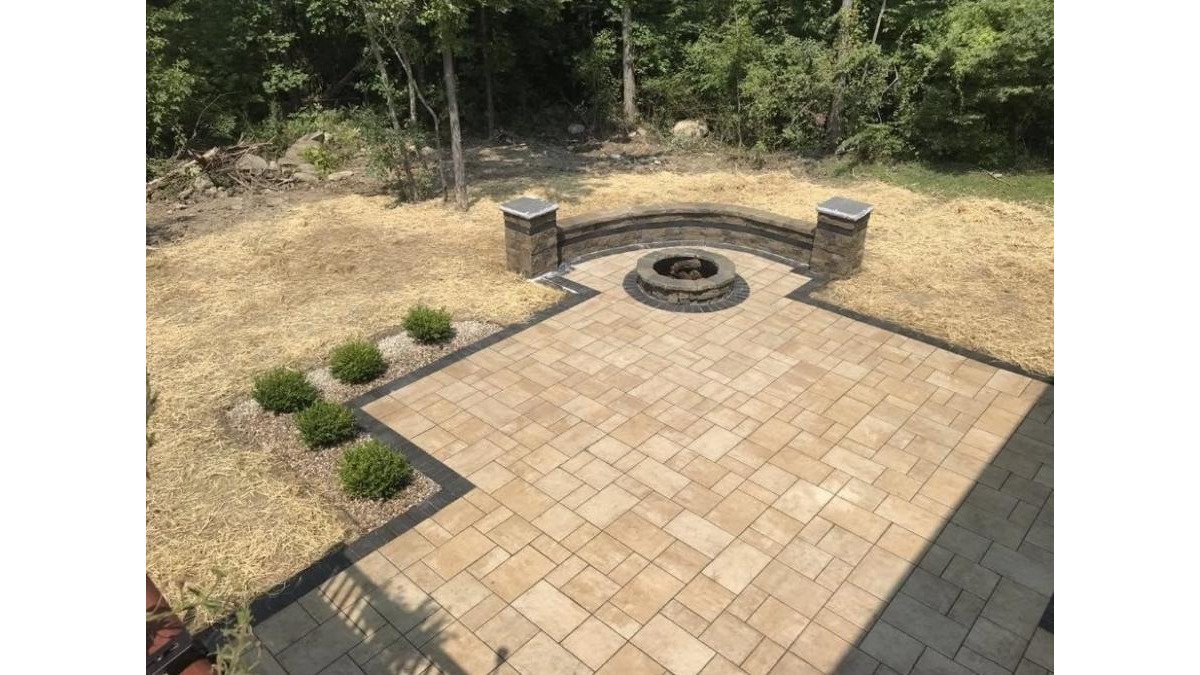
A patio is only as good as what's underneath it. Site preparation through excavation determines whether your patio lasts 20 years or develops problems in three.
The process involves:
- Excavating to the proper depth (typically 4-8 inches depending on material and climate)
- Removing soft soil and replacing it with compacted base material
- Grading the subbase so water drains away from the patio surface
- Compacting each layer to eliminate settling later
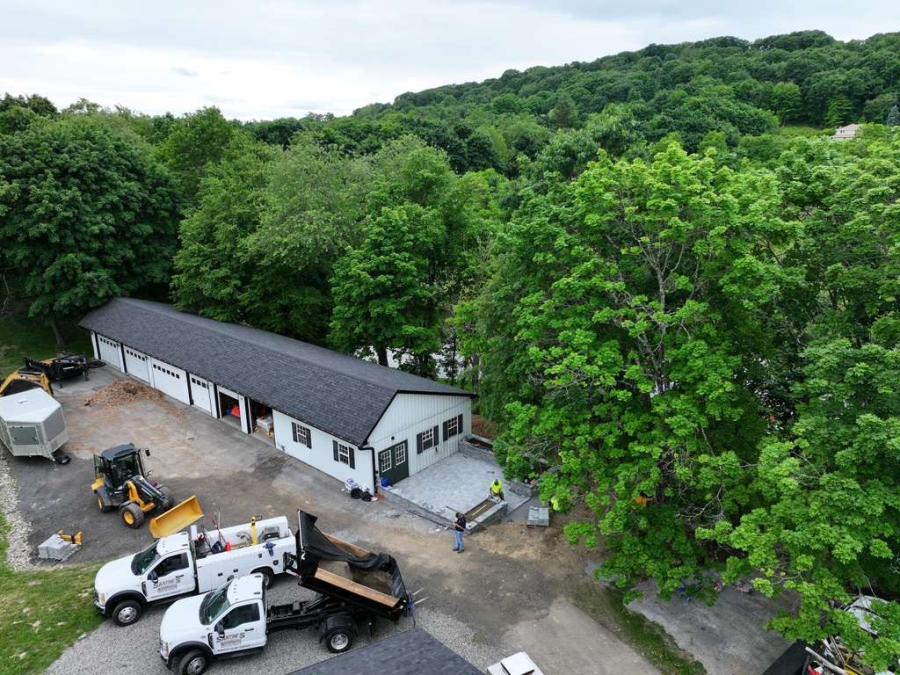
DIY Backyard Excavation vs. Professional Services
Some homeowners consider DIY excavation to save money. The reality is more complicated.
DIY excavation makes sense only for:
- Very small projects (removing a few cubic yards of soil)
- Projects where mistakes don't matter (filling in a low spot for aesthetics only)
- Work that doesn't affect drainage or structural stability
DIY excavation is risky for:
- Patio site prep (improper compaction leads to settling and cracking)
- Drainage work (wrong slope or poor outlet design means water still pools)
- Projects near utilities (hitting a buried line is expensive and dangerous)
- Large-scale grading (equipment rental, soil removal, and compaction require experience)
The hidden costs of DIY add up:
- Equipment rental (excavator, compactor, dump truck) runs hundreds per day
- Soil disposal if you can't use the excavated material
- Your time and labor
- Mistakes that require professional fixes later
Most homeowners underestimate the skill required for proper grading and compaction. Soil that looks level to the eye often isn't. Compaction that looks done often isn't.
Professional excavation includes experience with local soil conditions, proper equipment, knowledge of drainage principles, and accountability if something goes wrong. For projects that affect your home's foundation, drainage, or longevity, professional work is the lower-risk choice.
Excavation Equipment Yard Damage and Hidden Costs
Heavy equipment solves excavation problems efficiently, but it also causes damage if not managed carefully. Most homeowners only budget for the excavation itself, not the total project cost including restoration, hauling, and contingency.
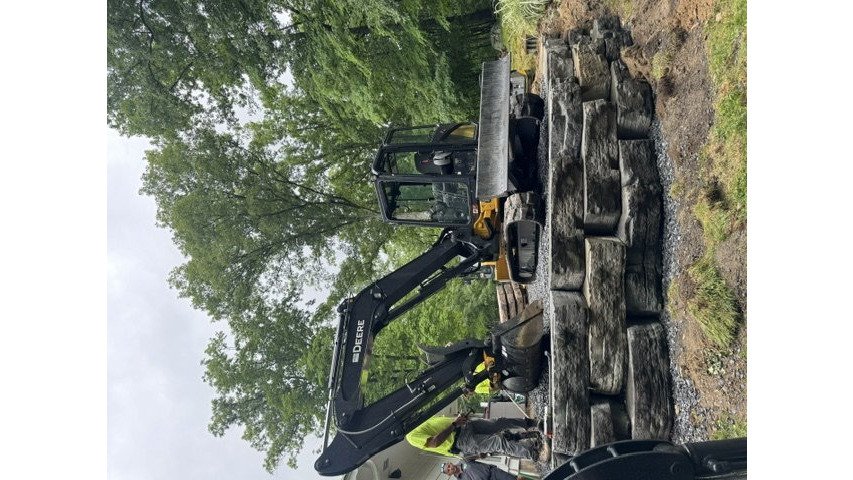
Equipment commonly used includes:
- Excavators (compact or standard size depending on access)
- Grading machines to level and shape soil
- Compactors to densify the base
- Dump trucks to remove soil off-site
The damage concerns:
- Ruts and compaction in areas outside the work zone
- Damage to existing landscaping, trees, and shrubs
- Disruption to lawn and garden areas
- Potential damage to underground utilities if not properly located
Professional contractors manage these impacts by:
- Locating utilities before equipment arrives (call 811 before digging)
- Planning equipment paths to minimize damage outside the work area
- Using smaller equipment when site access is tight
- Protecting trees and landscaping with barriers
The Total Project Cost Picture
When you get a quote, the excavation line item is rarely the full cost. A realistic budget includes:
Access preparation. If equipment can't fit through a gate or across a lawn without damage, you may need to remove fencing, build a temporary access path, or use smaller equipment that takes longer.
Soil hauling and disposal. If you can't redistribute excavated soil on-site, it must be hauled away.
Permits. Some jurisdictions require permits for grading, drainage changes, or work near utilities.
Restoration. After excavation, disturbed areas need to be regraded, seeded, sodded, or replanted.
Contingency. Soil conditions are rarely exactly as expected, you may hit rock, buried debris, or a high water table.
Why the Cheapest Quote Often Isn't the Lowest Cost
A low excavation quote may exclude restoration, soil hauling, or drainage materials, and may assume easy access and good soil. When those assumptions fail, change orders add up and the final cost can exceed a more complete quote. Ask every contractor for a line-item breakdown covering excavation, hauling, materials, permits, restoration, and contingency.
DIY vs. Professional: The Real Trade-Off
You need Santini's for this work because the details matter. A contractor who rushes through site prep to save money is setting you up for failure. We take the time to do it right because we focus on one project at a time, not juggling multiple jobs.
Making the Decision: Is It Worth It for Your Yard?
The decision comes down to three questions:
Do you have a real problem? Water pooling, erosion, foundation concerns, or an unusable yard are real problems. Wanting your yard to "look better" without a functional issue is not a strong reason to excavate.
Will excavation actually solve it? Drainage problems almost always need excavation. Patio installation requires proper site prep. Erosion control requires regrading and slope management.
Can you afford it and accept the disruption? Excavation is disruptive, equipment, noise, dust, and timeline disruptions are real.
If the answer to all three is yes, excavation is worth it. If the answer to any is no, reconsider, excavation should solve a real problem, not create one.
Conclusion
Backyard excavation is worth it when you have a real problem that proper grading, drainage, or site preparation can solve.
At Santini's Landscape, we've been helping homeowners make this decision since 2004, one project at a time.
Your yard's foundation matters. Dreams Set in Stone starts with proper excavation and site work.
Request a free quote and let us evaluate whether excavation is the right solution for your yard.
Frequently Asked Questions
When is backyard excavation worth doing?
Backyard excavation is worth it when you're addressing persistent drainage problems, preparing for a patio or outdoor structure, leveling an uneven yard, or building on unstable soil. If standing water collects after rain, your yard slopes toward your foundation, or you're planning a major outdoor feature, professional excavation prevents costly damage later. The investment protects your property and creates a solid foundation for landscaping or construction. You Need Santini's to assess whether your specific yard conditions justify the work.
How can excavation improve backyard drainage?
Proper grading and drainage management redirect water away from your home and eliminate pooling. Excavation allows contractors to regrade the yard, install drainage patterns, and manage runoff so water flows toward appropriate outlets instead of settling near foundations or landscaping. This prevents erosion, soil instability, and yard damage. A well-designed drainage system can solve years of standing water problems that damage grass, plants, and structures. Professional site preparation ensures water management is built in from the start, Dreams Set in Stone.
Can I do my own backyard excavation?
DIY backyard excavation is risky and rarely practical. It requires heavy equipment, knowledge of soil stability, grading techniques, and local utility locating requirements. Equipment access, site constraints, and the risk of hitting buried utilities make professional services the safer choice. Mistakes in grading or drainage create expensive problems later. Soil conditions vary widely, and improper cut and fill work can cause settling or erosion. Unless your project is minimal surface work, hiring a professional contractor ensures the job is done correctly and safely.
What hidden costs should I expect with backyard excavation?
Beyond the primary excavation work, budget for landscaping repairs, soil disposal or reuse, utility locating, and potential permit requirements. Unexpected soil conditions, underground obstacles, or drainage complications can affect the project scope. Equipment access to your yard, site constraints like trees or structures, and the timeline for restoration also factor into total cost. Professional contractors identify these variables upfront during site assessment. Request a free quote that accounts for potential complications so you understand the full investment before work begins.