 how-to
Avoiding Hidden Costs in Landscaping Projects
Table of Contents
- Why Landscaping Budgets Blow Up (And How to Prevent It)
- The Landscaping Contract Checklist Every Homeowner Needs
- How to Vet Landscaping Contractors Before You Sign
- Site Preparation Costs: The Line Item Most Homeowners Underestimate
- Hidden Costs Caused by Drainage and Soil Problems
- Questions That Expose Surprise Fees Before They Happen
- Frequently Asked Questions
Last Updated: September 28, 2026
Why Landscaping Budgets Blow Up (And How to Prevent It)
Most homeowners don't get blindsided by a landscaping bill because the contractor lied, and avoiding hidden costs in landscaping projects starts with understanding why. They get blindsided because nobody wrote down what the ground would actually do once the excavator showed up. Avoiding hidden costs in landscaping projects starts with one uncomfortable truth: the biggest variables live underground, and underground is the one thing no estimate can fully see until work begins.
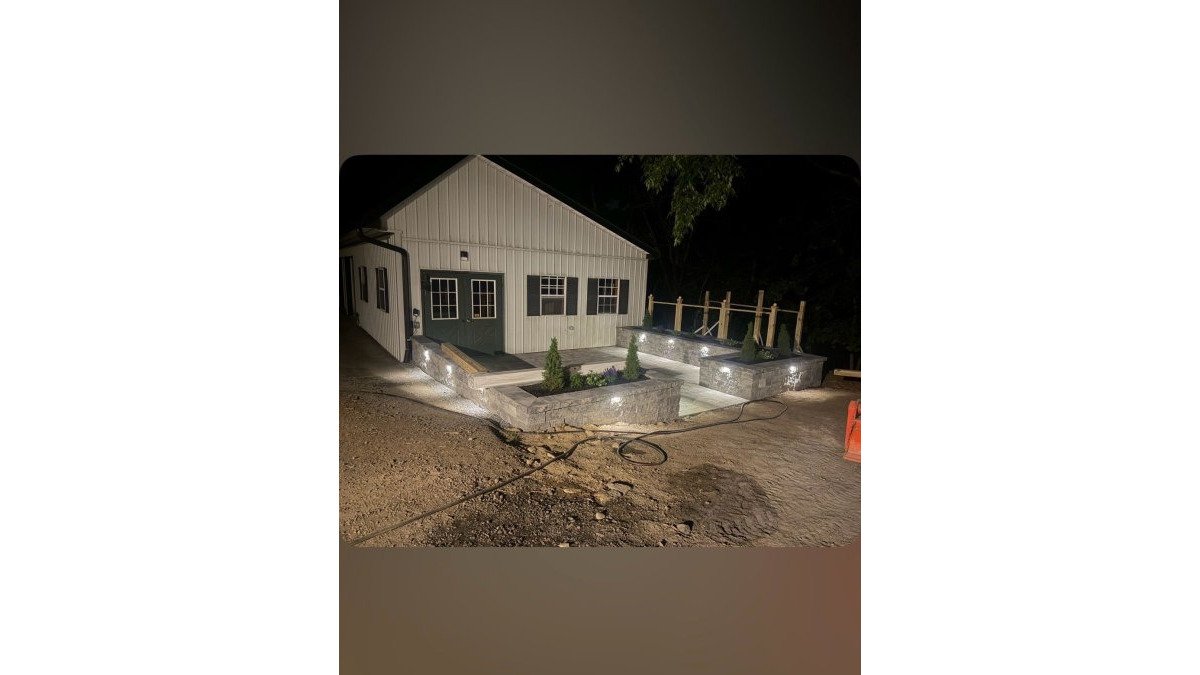
At Santini's Landscape, we've been installing patios, retaining walls, and drainage systems across the Hudson Valley since 2004, and we've walked onto plenty of job sites where a homeowner's original budget was already in trouble before the first stone was laid. This guide covers why estimates drift, what belongs in writing, how to vet the people doing the work, and which line items quietly wreck budgets. Dreams Set in Stone. You Need Santini's.
The Real Reasons Estimates Miss the Mark
Three things drive almost every overage: undiscovered site conditions, vague scope language, and change orders that were never priced in advance. None of these are conspiracies. They're the predictable result of quoting above-ground work without accounting for what's underneath.
A common approach is to treat the estimate as a fixed number. In practice, it's a starting point that shifts the moment soil, drainage, or access turns out to be worse than assumed. The fix isn't a lower number. It's a contractor who walks the property, asks hard questions, and tells you upfront which conditions would trigger additional work.
The Landscaping Contract Checklist Every Homeowner Needs
A landscaping contract checklist is a written list of every cost, condition, and responsibility that must appear in your agreement before you sign. If it isn't documented, it isn't protected.
Line Items That Must Appear in Writing
- Excavation and disposal: where spoils go and who pays hauling
- Grading and compaction: depth, method, and how it's verified
- Drainage scope: French drains, swales, dry wells, or none
- Base material: type, depth in centimeters, and compaction standard
- Materials list: paver or stone type, quantity, and finish
- Permits and inspections: who files, who pays, who schedules
- Site access and protection: driveway, lawn, and utility marking
- Change order process: how additions get priced and approved
- Payment schedule tied to completed milestones
- Cleanup, haul-away, and final walkthrough terms
Red Flags in Contractor Agreements
Watch for estimates with a single lump-sum figure and no breakdown. Watch for payment schedules that front-load most of the money before work starts. Watch for contracts that name materials vaguely, like "stone" or "base," with no specification. And watch for any agreement that omits a written change order process entirely.
How to Vet Landscaping Contractors Before You Sign
Vetting a landscaping contractor means verifying three things: that they do this specific type of work, that they finish one project before starting the next, and that their written estimate holds up when you ask detailed questions.
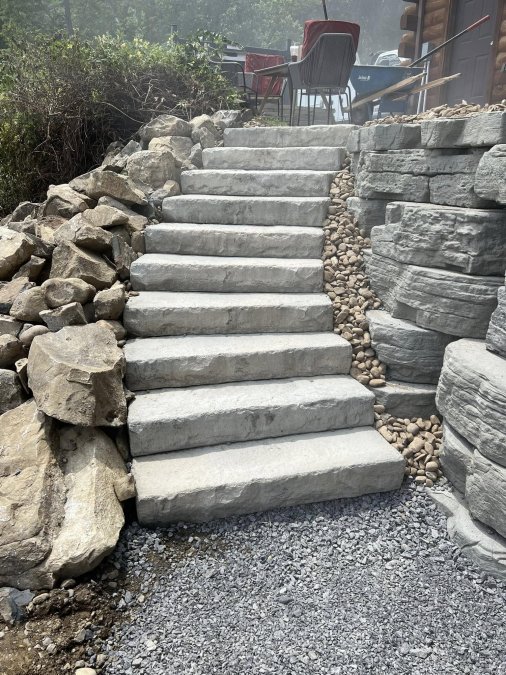
Ask how many active jobs they run at once. Ask what happens if they hit rock or bad soil mid-excavation. Ask for the name of the person who will actually be on site. The answers separate contractors who plan from contractors who improvise.
Site Preparation Costs: The Line Item Most Homeowners Underestimate
Site preparation costs cover everything that happens before a single paver or plant goes in, and they're the most common source of budget drift. Excavation, grading, soil amendment, and hauling are all priced separately, and each one depends on conditions nobody can fully confirm until digging starts.
Excavation, Grading, and What Drives the Price
Depth of excavation drives cost more than square footage does. So does access. A backyard reachable by a small machine costs less to prepare than one where material has to move by hand or through a narrow gate. Rocky ground, high water tables, and buried debris all add labor and equipment hours.
Pricing depends on site conditions, access, and how much material has to leave the property. That's why a written scope matters more here than anywhere else in the project.
Hidden Costs Caused by Drainage and Soil Problems
Poor drainage is the single largest driver of surprise expense in hardscaping and planting work. Water that pools against a foundation, saturates a subbase, or erodes a slope will eventually damage whatever sits on top of it, and fixing it after the fact costs more than designing for it upfront.
Clay-heavy soil drains slowly and holds water against structures. Sandy soil drains fast but shifts under load. Neither is a defect. Both change what the base and drainage plan need to look like.
Questions That Expose Surprise Fees Before They Happen
Ask these before signing, and ask them in writing:
- What site conditions would trigger additional charges, and how much notice will I get?
- Is disposal and hauling included, and where does excavated material go?
- Does the price include permits, utility locating, and inspections?
- What's the process if you hit rock, buried debris, or an unknown drain line?
- How are change orders priced and approved before work continues?
- What does the final walkthrough cover, and what's the correction window?
A contractor who answers these clearly is protecting both of you. One who deflects is telling you something.
| Risk Area | What to Confirm in Writing | Why It Matters |
|---|---|---|
| Excavation | Disposal location and hauling cost | Spoils removal is often billed separately |
| Drainage | Scope, materials, and outlet point | Repairs after installation cost more |
| Soil conditions | How unsuitable soil gets handled | Base failure cracks hardscape over time |
| Permits | Who files and who pays | Unpermitted work complicates resale |
| Change orders | Written pricing and approval process | Prevents open-ended billing |
Frequently Asked Questions
What are the most common hidden costs in landscaping projects?
The biggest surprises come from site preparation, soil correction, drainage fixes, and permit fees. Excavation often uncovers rocky ground or poor drainage that wasn't visible during the initial walkthrough. Disposal fees for removed soil and debris add up too. A detailed landscaping contract checklist should list every one of these line items before work begins, so nothing gets added mid-project.
How can I ensure my landscaping contract is comprehensive?
Insist on a written scope of work that names every task: excavation depth, material types and quantities, drainage solutions, cleanup, and disposal. The contract should state what happens if crews hit unexpected soil conditions. Ask whether permits are included. A thorough landscaping contract checklist protects both sides and eliminates the guesswork that leads to mid-project disputes.
Do I need to budget for site preparation and excavation separately?
Yes. Site preparation costs are almost always separate from the visible work like patios or plantings. Excavation, grading, and soil compaction happen before any hardscape goes down. How much you pay depends on your property's slope, soil type, and access for equipment. Ask your contractor to break out these costs in the estimate so you see the full picture upfront.
How do drainage issues impact the final cost of a landscaping project?
Poor drainage is one of the most expensive surprises in landscaping. If water pools near your foundation or sits under a new patio, it can cause settling, cracking, and long-term damage. Fixing it means French drains, regrading, or dry wells, all of which add cost. A contractor who inspects drainage during the estimate phase will flag these issues early instead of after excavation starts.
Landscaping projects go sideways when the ground surprises everyone and nobody planned for it. Santini's Landscape handles that risk by walking the property first, quoting site work in writing, and finishing one project before starting the next. Our team brings specialized equipment, premium materials, and more than two decades of Hudson Valley site experience to every install. Dreams Set in Stone. Request a free quote and get a scope you can actually budget against. You Need Santini's.