 how-to
How to Fix Backyard Drainage Problems: A Pro's Guide
Table of Contents
- Diagnosing the Source of Your Backyard Drainage Problems
- Grading and Excavation: The Foundation of a Dry Yard
- French Drain Installation for Subsurface Water
- Surface Solutions: Trench Drains, Dry Creek Beds, and Permeable Pavers
- Landscape Drainage Systems for Slopes and Downspout Management
- DIY vs. Professional Installation: A Cost-Benefit Analysis
- Maintenance Schedules and Legal Considerations for Drainage Systems
- Conclusion: Protecting Your Property with Santini's Landscape
- Frequently Asked Questions
Last Updated: September 21, 2026
Diagnosing the Source of Your Backyard Drainage Problems
Standing water after a storm is the clearest sign that backyard drainage has failed. Since 2004, our crews at Santini's Landscape have solved drainage issues across the Hudson Valley. Here's how to trace the source and match it to a fix.
Signs of Poor Drainage
Watch for these warning signs before the damage spreads:
- Puddles that sit for more than 24 hours
- Soft, spongy patches in the lawn
- Water stains or damp walls in the basement
- Soil pulling away from the foundation
- Mosquitoes that never seem to leave
- Grass that turns yellow in wet spots
Surface puddles mean poor grading or compacted soil; damp basements point to subsurface water and hydrostatic pressure.
Understanding Water Flow and Soil Type
Soil type decides how fast water moves: clay drains slowly, sand drains fast but erodes. Most yards are a mix, so testing is worth the effort.
Grading and Excavation: The Foundation of a Dry Yard
Correct grading is the cheapest fix and the first to try. The goal is a slope that carries surface runoff away from the house, most yards need about a 2% slope, or a quarter inch per foot, for the first several feet from the foundation.
French Drain Installation for Subsurface Water
A French drain is a gravel-filled trench with a perforated pipe that collects groundwater and carries it away, solving the saturation that keeps soil soft and basements damp.
French drain installation follows a clear sequence:
- Mark the trench line from the wet area to a safe discharge point
- Dig a trench with a consistent downhill slope
- Line the trench with landscape fabric
- Add a bed of washed gravel
- Lay the perforated drainage pipe
- Cover with more gravel, then wrap the fabric
- Top with soil or sod
Key Components of a French Drain System
Every part matters. The pipe carries water. The gravel filters it. The fabric keeps soil from clogging the system. A catch basin can capture surface water at the start of the run.
Surface Solutions: Trench Drains, Dry Creek Beds, and Permeable Pavers
Surface water needs a surface fix. Trench drains, dry creek beds, and permeable pavers each handle runoff differently; the right choice depends on how much water you get and where it pools.
| Solution | Best For | Maintenance Level |
|---|---|---|
| Trench drain | Driveways, patios, hardscape edges | Low |
| Dry creek bed | Sloped yards, decorative runoff paths | Medium |
| Permeable pavers | Patios, walkways, driveways | Medium |
| French drain | Subsurface saturation | Medium |
Landscape Drainage Systems for Slopes and Downspout Management
Sloped yards need water diversion, not just collection. Landscape drainage systems for slopes combine swales, berms, and buried pipe to slow water and steer it away from the house.
DIY vs. Professional Installation: A Cost-Benefit Analysis
Most drainage guides hand you a tidy list of "DIY jobs" and "pro jobs." From the contractor's side of the trench, the real dividing line isn't job size, it's the failure mode if the job goes wrong.
Jobs That Genuinely Suit a Homeowner
These are low-consequence, reversible fixes. If they don't work, you've lost a weekend, not a foundation.
- Downspout extensions and splash blocks. Moving roof water a few feet further from the foundation is the highest-return fix in most yards.
- Filling shallow low spots with topsoil. Anything under a few inches deep and well away from the foundation is fair game.
- Aerating compacted turf. Core aeration opens channels so water infiltrates instead of sheeting.
- A decorative dry creek bed on a gentle grade. If the slope is mild and the discharge point is on your own property, this is a reasonable weekend project.
- Rain barrels and simple downspout diverters. Low risk, easy to undo.
Jobs Where the Failure Mode Is Expensive
These are the calls we get after a homeowner has already tried and the problem got worse.
- French drains at depth. Trench depth, consistent fall, gravel gradation, and fabric wrapping all have to be right. A pipe laid with even a slight belly becomes a sediment trap and stops flowing within a season or two, re-digging costs more than installing it correctly the first time.
- Regrading that changes how water leaves the property. Changing the grade so water sheets onto a neighbor's lot is the most common source of drainage disputes and can trigger a civil claim.
- Trench drains cut into concrete or pavers. Cutting hardscape, setting the channel at the correct fall, and re-flashing edges is finish work; done poorly, it leaks at the joints and undermines the surrounding surface.
- Any excavation near the foundation, retaining walls, or utility easements. Hydrostatic pressure, wall surcharge, and buried lines all live here. This is not a DIY zone.
- Work that requires a permit. Many jurisdictions require permits for grading that alters drainage patterns or for any work in a floodplain or wetland buffer. Pulling the permit is part of the job.
The Questions That Actually Decide It
Before you pick up a shovel, answer these honestly:
- What's the worst-case outcome if this fails? A wet lawn is recoverable; a cracked foundation is not.
- Do I know where the utilities are? Call 811 before any digging, it's free and the law in every state. Hitting a gas or fiber line is the most expensive mistake in this category of work.
- Can I hold a consistent fall over the full run? A French drain needs continuous downhill slope from start to discharge. If you can't verify that with a laser level or a string line and line level, hire it out.
- Where does the water actually go when it leaves my pipe? If the answer is "toward the neighbor" or "into the storm sewer," stop, both are regulated in most jurisdictions.
- Is the problem surface water or subsurface water? Surface water responds to grading, swales, and trench drains; subsurface saturation needs a French drain or a sump. Misdiagnosing this is why so many DIY fixes fail.
What a Contractor Brings That a Rental Doesn't
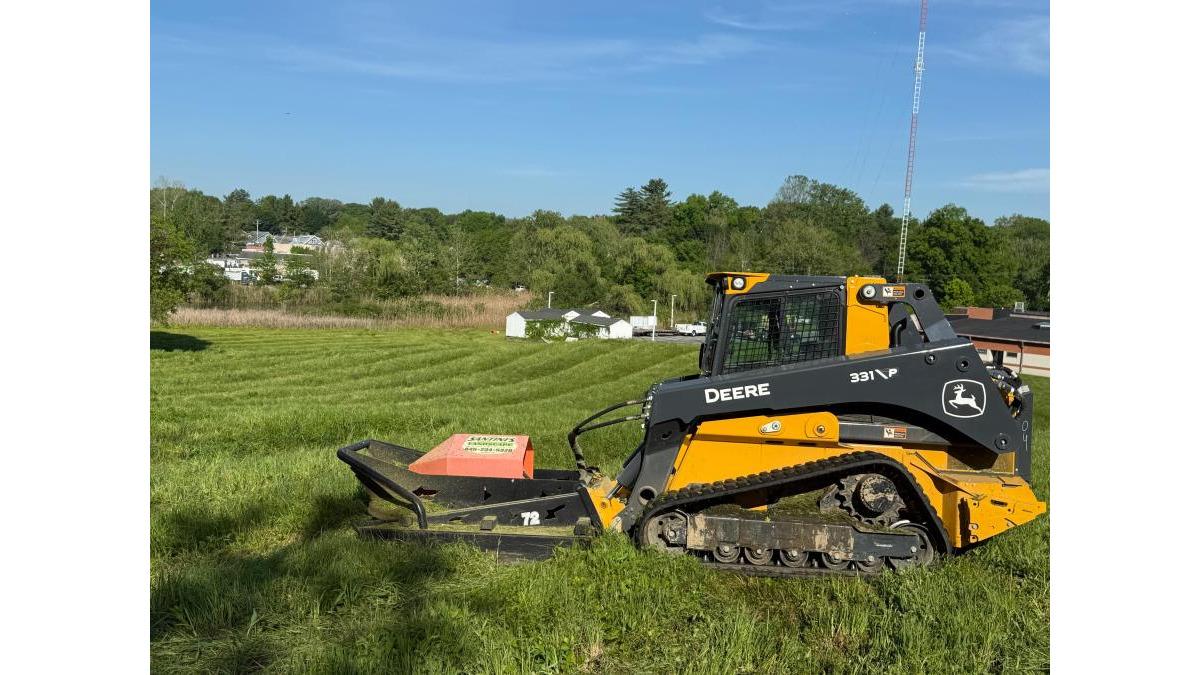
It isn't just labor. It's the diagnostic step most homeowners skip, tracing the actual flow path with a laser level, soil probe, and percolation test before committing to a system, plus the equipment (mini excavators, plate compactors, laser transits) that lets us hold grade over a long run, and liability coverage if something goes wrong underground.
Maintenance Schedules and Legal Considerations for Drainage Systems
This section determines whether your drainage system still works three years from now. A French drain that flowed perfectly on install day can be dead within two seasons without maintenance, and a system that works perfectly can still land you in a dispute if it discharges in the wrong place.
Why Drainage Systems Fail Over Time
Every drainage system has a failure mechanism. Knowing yours tells you what to inspect.
- French drains clog when fine sediment migrates through the gravel into the perforated pipe. The fabric wrap slows this but doesn't stop it; once the pipe fills with silt, water backs up and the trench becomes a bathtub.
- Dry creek beds lose function when leaves, mulch, and clippings fill the voids between rocks, so water sheets over the top instead of soaking in.
- Trench drains clog at the grate and outlet, a grate full of debris is a dam, not a drain.
- Catch basins fill with sediment and debris; once the basin fills to the inlet level, it stops capturing anything.
- Permeable pavers lose infiltration capacity as joint aggregate fills with dirt, the surface still looks fine while the function is gone.
- Swales and bioswales silt in and lose their cross-section, reducing their capacity to carry or hold water.
A Maintenance Schedule That Actually Maps to the Failure Modes
Monthly during growing season
- Clear leaves and debris from trench drain grates and catch basin inlets.
- Check downspout outlets for blockages.
- Look for new low spots or erosion channels after heavy rain.
Seasonally (spring and fall)
- Flush French drain lines with a hose from the cleanout or upstream end; weak or dirty flow at the discharge point means a partial clog.
- Rake and reset dry creek bed stone, removing accumulated organic matter.
- Replenish joint aggregate in permeable paver installations.
- Inspect swale and bioswale bottoms for silt and re-grade if needed.
Annually
- Inspect the full length of any buried drain for settling, fabric exposure, or root intrusion.
- Check the discharge point for erosion and re-armor with riprap if needed.
- Verify that grading near the foundation still slopes away, soil settles, and a slope correct at install can flatten over a few winters.
After major storms
- Walk the system end to end. Standing water where there shouldn't be any is the first sign of a blockage.
- Check that the discharge point is still flowing freely and not backing up.
Legal and Zoning Considerations Most Guides Ignore
This is where drainage work stops being a landscaping project and becomes a property law issue. Rules vary by state, county, and municipality, so treat the following as categories to check, not universal rules.
Climate and Seasonal Design
Drainage design has to account for the worst season, not the average one.
- Freeze-thaw cycles shift soil, crack rigid pipe, and heave shallow structures. In cold-winter regions, buried lines need to sit below local frost depth, and flexible pipe is often preferred over rigid.
- High-rainfall regions need systems sized for peak storm events, not average rainfall, undersized French drains and swales fail exactly when you need them most.
- Arid regions face the opposite problem: soils that don't infiltrate well, flash flooding from intense storms, and caliche layers that block percolation. Infiltration-based solutions like rain gardens may need to be replaced with conveyance-based ones.
- Coastal and low-lying areas face high water tables, limiting how much water can infiltrate at all. Here the answer is often to move water off-site rather than into the ground.
Conclusion: Protecting Your Property with Santini's Landscape
Backyard drainage problems rarely fix themselves, and the damage gets worse each season. At Santini's Landscape, we've handled grading, excavation, and drainage work since 2004, one project at a time, bringing specialized equipment and premium materials to every job. Dreams Set in Stone. You Need Santini's. Request a free quote today.
Frequently Asked Questions
How much does it cost to fix backyard drainage?
The cost to fix backyard drainage depends on the scope of the problem, the size of your yard, and the solution required. Simple fixes like extending downspouts are less involved, while installing a full French drain system or regrading a large property requires more labor and materials. Because every yard is different, we recommend requesting a free quote from Santini's Landscape for an accurate assessment and pricing tailored to your specific drainage issue.
Do French drains actually help with yard drainage?
Yes, French drains are highly effective for addressing subsurface water and relieving hydrostatic pressure that can lead to foundation damage. They work by intercepting groundwater and redirecting it to a safe discharge point, such as a dry well or storm drain. For them to work correctly, they must be installed at the proper depth and slope. A professional french drain installation ensures the system is designed for your soil type and water volume.
What is the difference between surface and subsurface drainage?
Surface drainage manages water that pools or flows across the top of your yard, using solutions like trench drains, dry creek beds, and permeable pavers. Subsurface drainage addresses water below the soil surface, often with French drains or catch basins. Most yards need a combination of both. For example, a dry creek bed can handle surface runoff, while a French drain manages soil saturation and groundwater. A landscape drainage system for slopes often uses both methods.
When should I hire a professional for drainage excavation?
You should hire a professional when your drainage issue involves significant grading, deep excavation, or complex water flow problems. If you see standing water near your foundation, notice erosion, or have a yard with a steep slope, a professional can design a comprehensive solution. At Santini's Landscape, we use specialized equipment for grading and excavation to ensure the job is done safely and correctly. Dreams set in stone starts with a solid plan.