 blog
Is a Covered Patio Worth the Investment for Your Home
Last Updated: November 9, 2026
Quick Summary
A covered patio is worth the investment for most Hudson Valley homeowners who plan to stay put and use the space, since it extends your living area and shields it from sun and rain. The trade-off is a higher upfront cost for footings, posts, and a roof rated for snow load and wind.
- An uncovered patio costs less and dries faster after rain, while a covered patio costs more but works in more weather.
- A permanent roofed structure may raise your assessed value, so check with your local assessor before you build.
- A covered patio needs a building permit in most jurisdictions, and setbacks, lot coverage, height, snow load, and drainage all get reviewed.
- Budget for recurring upkeep like sealing, gutter cleaning, fastener inspection, and roof checks; deferring sealing can lead to costlier repairs.
- Natural stone and quality pavers hold up to freeze-thaw cycles far better than cheap concrete.
Table of Contents
- Covered Patio Pros and Cons: What Homeowners Gain and Give Up
- Covered Patio vs. Uncovered Patio: Which Fits Your Lifestyle
- How a Covered Patio Affects Home Value and Resale
- Does a Patio Cover Increase Property Taxes?
- Material and Design Choices That Protect Your Return
- Maintenance and Long-Term Upkeep Costs to Budget For
- Permits and Zoning: What to Check Before You Build
- Request Your Free Quote and Start Planning
- Frequently Asked Questions
Covered Patio Pros and Cons: What Homeowners Gain and Give Up
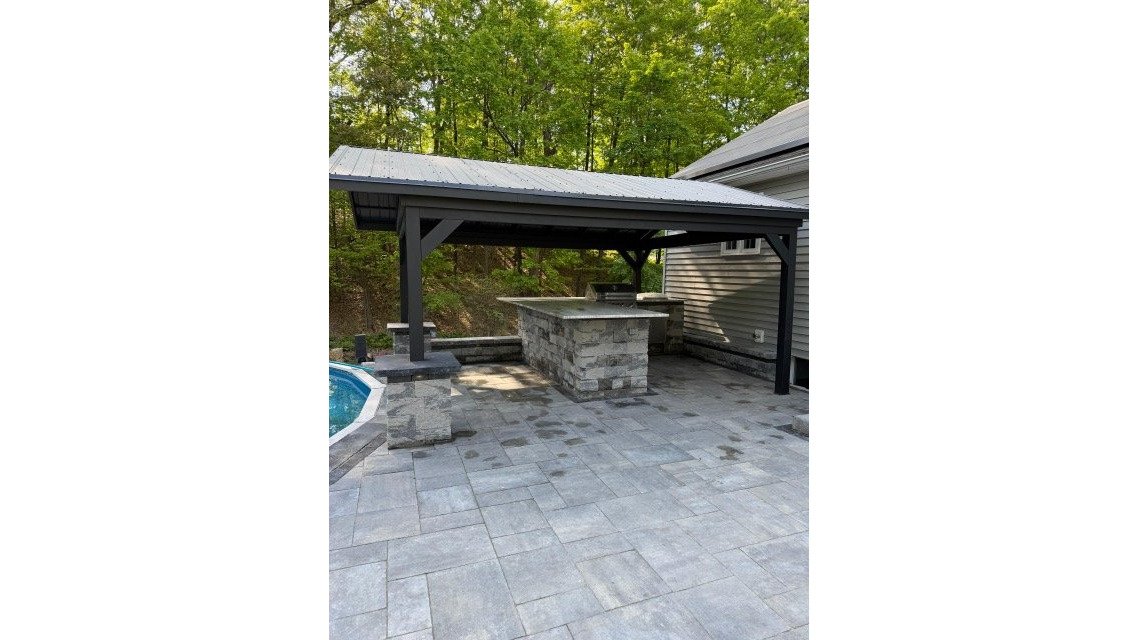
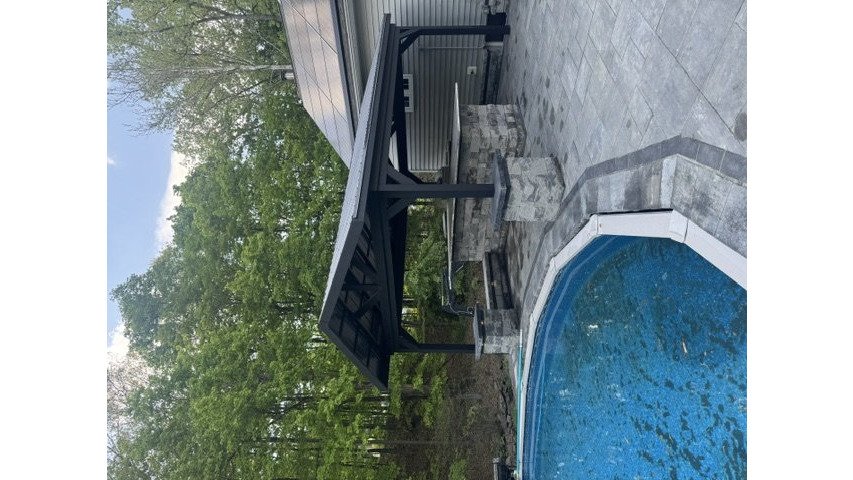
Is a covered patio worth the investment? For most Hudson Valley homeowners, yes, if you plan to stay put and use the space. A covered patio is a roofed outdoor area attached to your home that extends your living space and shields it from sun and rain. At Santini's Landscape, we have built these spaces since 2004. Below, we walk through the real gains, the real costs, and the questions most guides skip.
The Upside: Weather Protection and Usable Square Footage
The biggest win is simple: you get more usable living area without adding interior square footage. A roof keeps sun and rain off the furniture and the people. That means fewer ruined cushions and more cookouts that survive a passing shower. Shade coverage also drops surface temperatures on hot afternoons, so the space stays comfortable longer. For families who host often, that added outdoor living space quickly becomes the most-used room of the house.
The Downside: Upfront Cost and Structural Requirements
The trade-off is money and complexity. A cover needs footings, posts, and a roof structure rated for snow load and wind. That is real construction, not a weekend project. Many homeowners find the upfront cost is higher than they expect once structural work and site prep are included. You can read a detailed breakdown in our guide to the cost of custom patio installation. Budget for the structure first, then the finishes.
Covered Patio vs. Uncovered Patio: Which Fits Your Lifestyle
An uncovered patio costs less and dries faster after rain. A covered patio costs more but works in more weather. That is the honest trade.
Ask yourself three questions:
- Do you want to sit outside in light rain or midday sun?
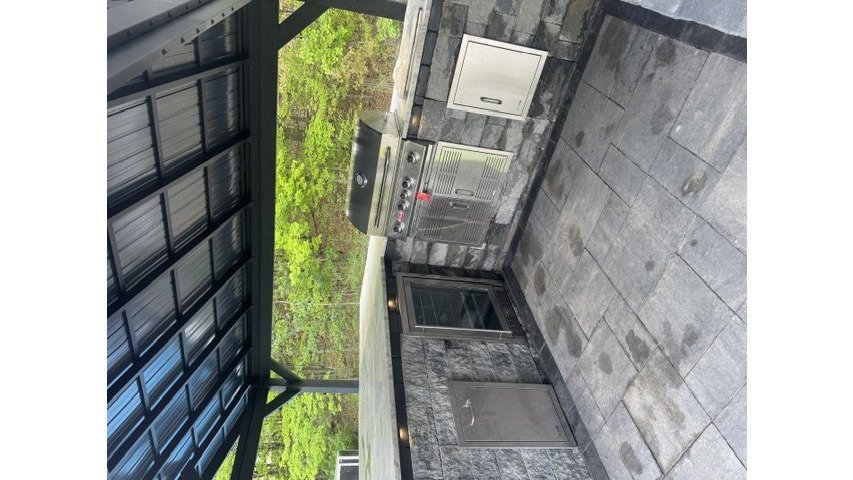
- Will you invest in furniture and an outdoor kitchen that need protection?
- How long do you plan to stay in the home?
If you answered yes to the first two and plan to stay, the cover usually wins. If you want low cost and simple upkeep, an open patio is the smarter call.
Here is the honest trade between the two options.
| Option | Cost | Weather use | Upkeep |
|---|---|---|---|
| Uncovered patio | Costs less | Dries faster after rain | Simple upkeep |
| Covered patio | Costs more | Works in more weather | Low-maintenance, not no-maintenance |
How a Covered Patio Affects Home Value and Resale
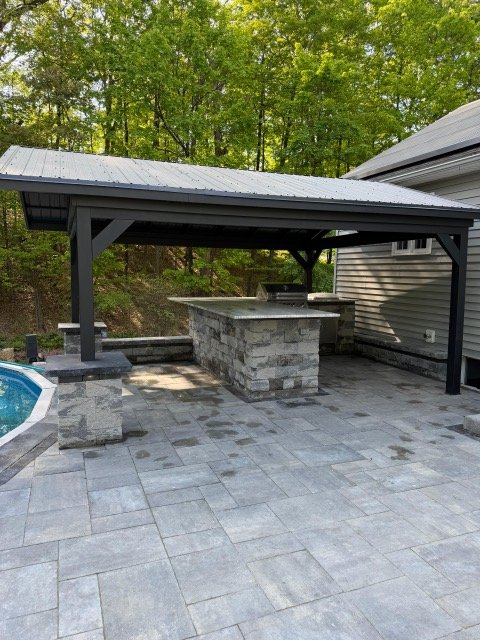
A covered patio can lift resale value, but not automatically. Buyers pay for spaces that feel finished and permanent. A well-built roof structure with quality hardscaping reads as an extension of the home. A flimsy add-on reads as a liability. The difference is craftsmanship, and that is where the return lives.
Appraisal Angles: Curb Appeal and Marketability
Appraisers generally look at finished, permitted improvements, and curb appeal shapes first impressions and buyer interest. A covered patio improves marketability by giving listings a clear lifestyle hook: a place to entertain, shade for kids, and shelter for grills. If you want a deeper look at how patios translate into home value, read our guide on whether a new patio increases home value.
Climate and ROI: Why the Hudson Valley Is Different
Local climate changes the math. Winters in the region are cold, so a cover is used less in deep cold but can help protect the patio surface from snow and ice. It also handles summer sun and rain. Nationwide ROI figures rarely reflect that mix, so treat generic numbers with caution.
Does a Patio Cover Increase Property Taxes?
Sometimes, yes. A permanent roofed structure can be counted as an improvement and may raise your assessed value. Rules vary by town and county, so check with your local assessor before you build. A patio cover that is classified as a temporary or open structure is often treated differently. Get the answer in writing. It is a five-minute call that prevents a surprise on your next tax bill.
Material and Design Choices That Protect Your Return
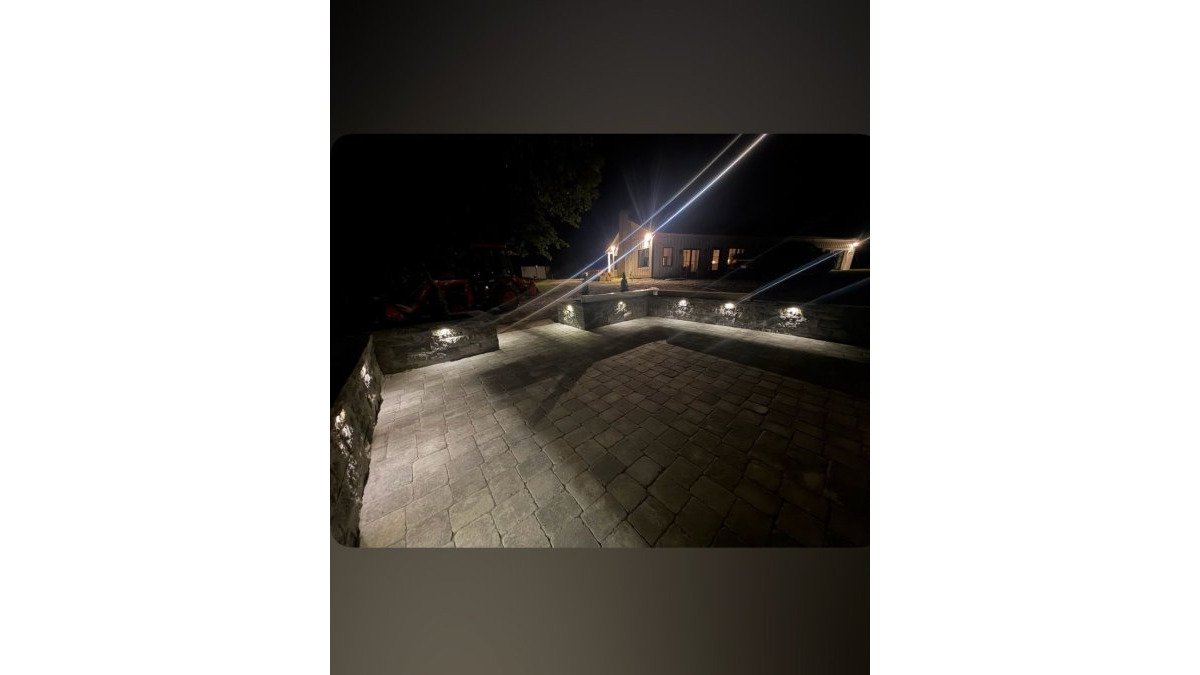
Materials decide how long the investment lasts. Natural stone and quality pavers hold up to freeze-thaw cycles far better than cheap concrete. The roof structure matters just as much: posts, beams, and fasteners all need to handle moisture and snow. Our team matches stone to the local climate on every build, and you can compare options in our guide to the best natural stone for the Hudson Valley climate. Cheap materials cost more over time.
Maintenance and Long-Term Upkeep Costs to Budget For
A covered patio carries recurring maintenance costs for as long as it stands. A cover is low-maintenance, not no-maintenance, and the annual upkeep depends heavily on the materials you choose at build time.
A typical upkeep calendar for a covered patio includes:
- Stone and paver sealing. Sealing helps keep moisture out of the surface, which matters in a freeze-thaw climate.
- Gutter and roof-drainage cleaning. A covered patio has a roof, and clogged gutters can back water up onto the patio surface.
- Post, beam, and fastener inspection. Winter can loosen connections, so periodic checks for loose anchors and corrosion are advisable.
- Wood refinishing, if you choose timber. Wood components need stain or sealant to help shed moisture.
- Roof surface inspection. Whether the cover is shingled, metal, or another system, the roof takes the most weather exposure and benefits from periodic inspection.
Watch out: Deferring maintenance such as sealing can lead to more costly repairs later.
Material choice affects long-term upkeep. Natural stone and quality pavers generally hold up well to freeze-thaw cycles. The roof structure matters just as much: posts, beams, and fasteners all need to handle moisture and snow. Our team matches stone to the local climate on every build, and you can compare options in our guide to the best natural stone for the Hudson Valley climate. Cheap materials cost more over time, not just in replacement, but in the maintenance hours they demand in between.
For a broader look at where landscaping budgets leak, see our guide to avoiding hidden costs in landscaping projects. Dreams Set in Stone. You Need Santini's.
Permits and Zoning: What to Check Before You Build
Permits and zoning regulations trip up more projects than any material choice, and almost no article on patio ROI gives them more than a passing sentence. A roofed structure is treated differently from an open patio in most jurisdictions, and the difference starts at the permit counter.
An open patio is often classified as a flatwork or site improvement. A covered patio is a structure with a roof, posts, and footings, and that usually triggers a building permit. The permit review is where the following get settled:
- Setbacks. Zoning codes set minimum distances from property lines, and a roofed structure may have different setback requirements than an open slab. A cover that sits too close to a line can be denied or require a variance.
- Lot coverage. Many towns cap the percentage of a lot that can be covered by structures, including roofs. A large cover can push a property over that cap even when the open patio did not.
- Height and snow load. Structural requirements are set by code, and a roof over a patio must be engineered for snow load and wind. This is why a cover needs real footings and rated connections rather than decorative posts.
- Drainage. Roof runoff has to go somewhere. Reviewers want to see that water is directed away from the house and not onto a neighbor's property.
- Homeowner association rules. Even where the town approves, an HOA may have its own design and approval process. Confirm both before buying a single paver.
Watch out: The most common and most expensive permitting mistake is building first and asking later. A structure that goes up without the required permit can be ordered removed or retrofitted, and the cost of that correction lands on the homeowner.
A contractor who handles permitting upfront can help avoid delays. Confirming setback and lot coverage rules, building permits, snow load and wind requirements, and drainage plans before site prep begins is a sound approach. Dreams Set in Stone. You Need Santini's.
Request Your Free Quote and Start Planning
The real question is not whether a covered patio pays back on paper. It is whether you will use it. If you want a space that works in sun, rain, and everything between, the answer is usually yes. Santini's Landscape builds one project at a time, using premium materials and an experienced team with specialized equipment. Site prep and drainage are part of our hardscaping work. Dreams Set in Stone. You Need Santini's. Contact us to request your free quote and start planning your build.
A covered patio rewards homeowners who plan for structure, permits, and upkeep from day one. If you want a build that holds its value and gets used every season, talk to a team that treats your yard like their own. Get started with Santini's Landscape and turn your outdoor space into a room you actually live in.
Frequently Asked Questions
How much does a covered patio add to home value?
There is no fixed percentage, because appraisers weigh your home's overall condition, the local market, and how the addition compares with neighboring properties. A well-built covered patio improves curb appeal and marketability, which can support a higher appraised value at resale. The strongest returns come from durable materials, proper permits, and a design that matches the house. Ask a local appraiser or real estate agent for a market-specific estimate before you commit.
Does a patio cover increase property taxes?
It can. Many assessors treat a permanent covered patio as an improvement that adds assessed value, while a removable umbrella or freestanding canopy usually does not trigger a reassessment. Rules vary by municipality, so confirm with your local assessor's office before construction. Keep copies of permits and final inspection records, since they document what was built and help avoid surprises at the next reassessment.
Is a covered patio better than an uncovered patio?
A covered patio offers weather protection, shade, and more usable days per year, which makes it a stronger long-term investment for most homeowners. An uncovered patio costs less upfront and suits homeowners who want maximum sun exposure or plan to add a cover later. Consider how you will use the space: grilling and dining in rain or strong sun favor a cover, while a simple sun deck may be enough for occasional use.
What are the pros and cons of a covered patio?
Pros include shade, UV protection, rain protection, extended outdoor living space, and added curb appeal that supports resale value. Cons include higher upfront construction costs, structural requirements such as footings and roof attachment, permit and zoning steps, and ongoing maintenance of the roof and finishes. Weigh these against your budget and how often you expect to use the space. A contractor can walk you through which trade-offs apply to your property.