 blog
How to Know If a New Patio Increases Home Value
Last Updated: November 5, 2026
Quick Summary
A new patio can increase home value, but not by a fixed amount. The gain depends on your design, materials, and how buyers in your area shop for outdoor space, and well-designed patios can recover a meaningful portion of their cost in strong markets.
- Patio ROI estimates vary because they blend different materials, regions, and project sizes into one number.
- Choose a patio for flat lots and seamless yard flow; choose a deck for slopes or second-story access.
- Pavers are a strong resale choice because they look premium and can be repaired section by section.
- Overbuilding for the neighborhood is one of the most common ways a patio fails to pay off.
- Ask your agent and insurer how a new patio will be viewed before you build.
Table of Contents
- Does a New Patio Increase Home Value? What the Evidence Shows
- Patio ROI: How to Read the Numbers Without Getting Fooled
- Patio vs. Deck Resale Value: Which Wins in Your Market
- Best Patio Materials for Resale: Pavers, Concrete, and More
- Patio Design Ideas for Homeowners That Buyers Notice
- Factors That Affect Patio Value and When a Patio May Not Add Value
- Request a Free Quote for Your Patio Project
- Frequently Asked Questions
Does a New Patio Increase Home Value? What the Evidence Shows
A new patio can increase home value, but not by a fixed amount. The gain depends on your design, materials, and how buyers in your area shop for outdoor space.
A patio is not a magic value button. It is a usable outdoor living area that buyers can see, walk on, and imagine using. That mental picture is what adds value.
Appraisers and real estate agents treat outdoor living space as part of the property’s appeal, not a separate line item. A well-designed patio expands usable outdoor space and improves curb appeal. Both help a home sell faster and support its asking price.
Below, we explain how to read patio ROI claims, compare a patio against a deck, pick materials, and know when a patio will not pay off. "Dreams Set in Stone" starts with a plan you can trust.
Patio ROI: How to Read the Numbers Without Getting Fooled
Patio ROI is the share of your project cost you might recover when you sell. Treat any single ROI percentage you see online with suspicion. Most published figures blend different materials, regions, and project sizes into one number.
Why Patio ROI Estimates Vary So Much
Cost recovery estimates swing wildly because the inputs change. A paver patio in a strong seller's market is not the same as a basic concrete slab in a slow one. Local buyer preferences matter more than national averages.
Watch out: many ROI charts online are not adjusted for your town, your lot, or your home's price tier. A high-end patio on a modest home rarely returns its full cost.
What the Different ROI Metrics Actually Measure
When you see a patio ROI figure, ask what it is measuring. There are three common metrics, and they answer different questions:
- Cost recovery percentage, the share of your project cost that a higher sale price might offset. This is the most common figure cited, but it is usually a national average across all project types and does not account for your specific design or market.
- Dollar-for-dollar resale increase, a flat estimate of how much a patio might add to a home's sale price. These figures often come from agent surveys or remodeling industry reports and represent a typical project, not a guaranteed outcome.
- Buyer willingness-to-pay surveys, what buyers say they would pay for a feature. These capture appeal but not actual appraised value, and stated intent often differs from what buyers actually offer.
A common pattern is that these three metrics produce different numbers for the same project. That is not a contradiction, it is a sign they measure different things. Cost recovery tells you about your budget; resale increase tells you about the market; buyer surveys tell you about demand. None of them is a promise.
How to Reconcile Conflicting ROI Claims
If one source says a patio returns a high percentage and another says a lower one, check the project scope. A basic concrete slab and a custom paver patio with a retaining wall are not the same investment, and they should not share an ROI figure. Also check the region, a patio in a climate with a long outdoor season may appeal to more buyers than one in a short-season market.
The honest approach is to treat any ROI number as a range with a wide margin. Well-designed, professionally installed patios can recover a meaningful portion of their cost in strong markets, while poorly sited or overbuilt patios may recover little. Your actual result depends on your home, your neighborhood, and the buyer who shows up.
If you want real installation cost figures to compare against resale value, see our guide to the cost of custom patio installation.
Patio vs. Deck Resale Value: Which Wins in Your Market
Neither a patio nor a deck wins everywhere. The better investment is the one that fits your property, your climate, and how local buyers use outdoor space. Patio versus deck resale value comes down to fit, not fashion.
Decks suit sloped lots and homes that sit above grade. They add elevated outdoor living space and often read as a strong feature to buyers. Patios suit ground-level space and connect more naturally to a yard and landscaping.
- Choose a patio for flat lots and seamless yard flow
- Choose a deck for slopes or second-story access
- Match the material to nearby homes, not to trends
If you are weighing the two, our custom backyard patio pricing guide gives you the full picture of what a patio project involves so you can compare fairly.
Best Patio Materials for Resale: Pavers, Concrete, and More
Pavers are a strong choice for resale in many markets. They look premium and can be repaired section by section. Concrete typically costs less upfront but can crack and settle over time.
Pros and Cons of Common Patio Materials
| Material | Pros | Cons | Best For |
|---|---|---|---|
| Patio pavers | Durable, repairable, high buyer appeal | Higher upfront cost | Long-term value |
| Concrete | Lower cost, fast install | Cracks, hard to repair | Tight budgets |
| Stamped concrete | Decorative look, mid cost | Can fade or crack | Curb appeal on a budget |
| Natural stone | Premium look, very durable | Highest cost, heavy | High-end homes |
| Wood decking | Warm look, familiar | Needs upkeep, weathers | Raised spaces |
For a deeper look at materials that hold up and appeal to buyers, read our guide to durable materials for outdoor hardscaping.
Patio Design Ideas for Homeowners That Buyers Notice
Buyers notice function first. A well-appointed patio with clear zones for dining and lounging reads as extra living space. Clutter and awkward layouts read as a problem to fix.
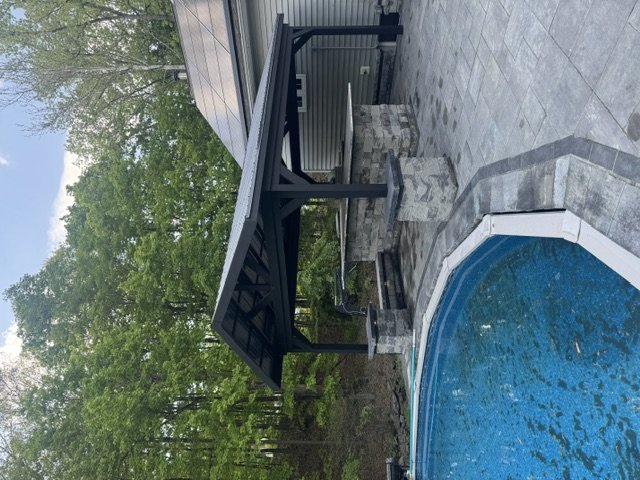
Design choices that tend to pay off:
- Define a dining area and a separate seating area
- Use consistent materials that match the home
- Add built-in seating or a low retaining wall
- Keep drainage and grading clean and invisible
- Frame the space with simple landscaping
A common mistake is overbuilding for the neighborhood. A modest, well-built patio beats an elaborate one that looks out of place. For layout inspiration, browse small patio design ideas you can adapt to your yard.
Factors That Affect Patio Value and When a Patio May Not Add Value
Location, condition, and buyer demand drive patio value more than any single feature. A patio helps most when it fits the home and the market. It can fail to add value when it creates problems instead of solving them.
When a Patio May Not Add Value
- Drainage issues push water toward the house
- The design clashes with the home or neighborhood
- Poor workmanship leads to settling or cracking
- The lot is too small to support the space
- Buyers in your area simply do not want outdoor living space
Watch out: overbuilding for the neighborhood is one of the most common ways a patio fails to pay off. A modest, well-built patio that matches nearby homes beats an elaborate one that looks out of place.
Full Project Costs and Ongoing Maintenance
Headline ROI figures rarely account for the full cost of a patio project or the upkeep that follows. To estimate net value rather than gross return, consider the complete scope:
- Site work and excavation, removing sod, grading, and preparing the base. This is often the largest hidden cost and varies with your lot's slope and soil.
- Drainage, proper grading, French drains, or dry wells to move water away from the house. Skipping this step is a leading cause of patio failure and foundation problems.
- Materials, pavers, concrete, natural stone, or wood decking. Material choice drives both upfront cost and long-term durability.
- Labor and installation, professional crews handle base compaction, edge restraints, and finishing details that affect how the patio performs over time.
- Permits where applicable, some jurisdictions require permits for structural elements like retaining walls or covered structures. Check with your local building department before work begins.
- Ongoing maintenance, sealing pavers every few years, re-sanding joints, cleaning, and repairing sections as needed. Concrete may crack and require patching; wood decking needs staining and board replacement.
A patio with a low headline cost but frequent repairs can cost more over time than a well-built paver patio that needs only routine sealing. Factor maintenance into your comparison, not just the installation quote.
Appraisal, Tax, and Insurance Treatment
There is also the paperwork side. A patio is generally treated as a site improvement, and appraisal, tax, and insurance treatment varies by property and lender. These are different outcomes and may not move together:
- Buyer appeal, what a buyer is willing to pay based on how the patio looks and functions.
- Appraised value, what a licensed appraiser determines the property is worth, often using comparable sales. A patio may contribute to appraised value, but appraisers vary in how they credit site improvements.
- Assessed value, what your local tax authority uses to calculate property taxes. Not all jurisdictions reassess for a patio, and rules vary widely.
- Insurance coverage, whether your policy covers the patio and any structures on it. Ask your insurer how a new patio affects your coverage and premiums.
Ask your agent and insurer how a new patio will be viewed before you build. "Dreams Set in Stone" means planning for the full picture, not just the install day.
Request a Free Quote for Your Patio Project
The smartest move is to get a clear plan and a straight answer on cost before you commit. At Santini’s Landscape, we focus on one project at a time so your install gets full attention. We use premium materials.
You can expect high-quality craftsmanship and a finished outdoor living space. "You Need Santini's" when you want the job done right.
Frequently Asked Questions
Does a new patio increase home value?
A new patio can increase home value when it is well designed, properly installed, and suits the property. Buyers value usable outdoor living space, and a quality patio can boost curb appeal and buyer appeal. The exact amount depends on your local market, materials, and how well the patio fits the home. A professional contractor can help you plan a patio that adds value without overbuilding for the neighborhood.
Is a patio or deck better for resale value?
The better choice depends on your property, climate, and buyer preferences. A patio is often more durable and lower maintenance, while a deck may suit sloped yards or homes where elevated outdoor space is desired. In many markets, a well-built patio with quality pavers appeals to buyers looking for low-maintenance outdoor living. Consider how your home and yard will be used and what similar homes in your area offer.
What type of patio adds the most value?
Patios that are professionally installed, use durable materials like pavers, and include functional design features tend to add the most value. Buyers look for usable outdoor living space that connects well with the home. Features like built-in seating, lighting, and proper drainage can enhance appeal. Avoid overly personalized designs that may not suit a wide range of buyers.
When might a new patio not increase home value?
A patio may not increase value if it is poorly installed, uses low-quality materials, or is oversized for the neighborhood. Drainage problems or cracking can deter buyers. If the patio does not match the home's style or the local market does not prioritize outdoor living, the return may be limited. Consulting a professional can help you avoid these pitfalls and design a patio that adds value.
Ready to turn your yard into outdoor living space buyers will notice? Get started with Santini’s Landscape and request a free quote for your patio project. Reach out through our contact page to ask questions and share your vision.