 how-to
Emergency Snow Removal Services for Residential Properties
Table of Contents
- Emergency Snow Removal Services for Residential Properties: What to Expect
- How Snow Removal Response Time Works in a Storm
- Snow Removal Service Preparation: Getting Your Property Ready
- Snow Removal for Driveways: Plowing, Shoveling, or Snow Blowing
- Residential Snow Removal Contracts: Seasonal vs. On-Call
- Ice Removal and Ice Control: Salting, Sanding, and Traction
- Safety for People, Pets, and Property During Snow Clearing
- Conclusion
- Frequently Asked Questions
Last Updated: October 21, 2026
Emergency Snow Removal Services for Residential Properties: What to Expect
Emergency snow removal services for residential properties are on-call crews that respond when a storm blocks your driveway, walkway, or access point.
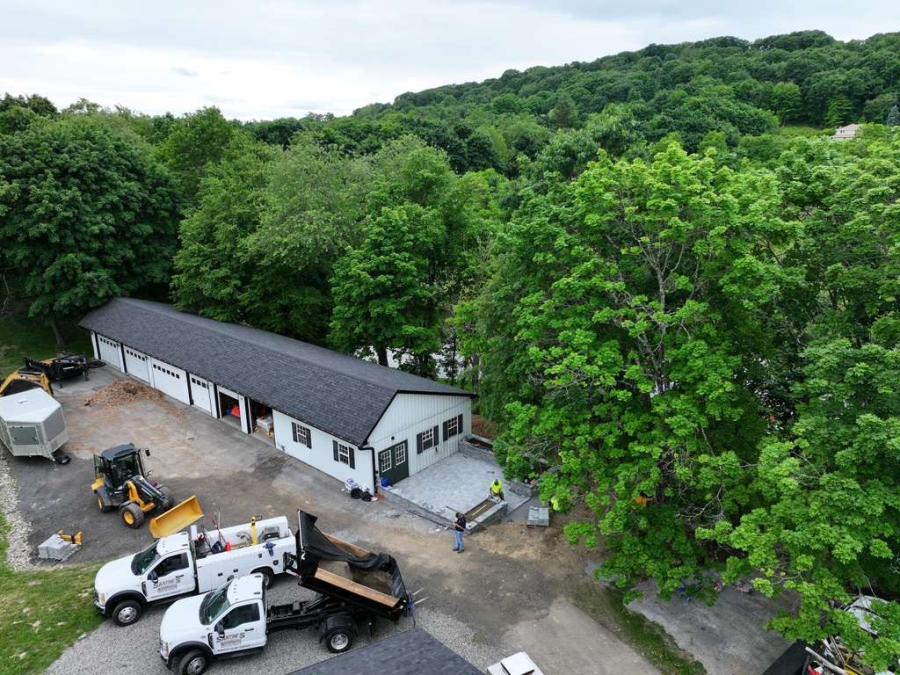
A snowstorm doesn't negotiate. It arrives overnight, drifts against the garage door, and turns a five-minute errand into a two-hour problem. The homeowners who stay calm are the ones who understood the process before the first flake fell.
How Snow Removal Response Time Works in a Storm
Snow removal response time is the window between your service call and a crew arriving at your property, and it is the single most important number in any emergency arrangement. Response is typically dispatched by route priority, not by who called first.
Here's how dispatch actually works:
- Your call or form creates a service ticket. Address, property size, access notes, and any hazards get logged.
- The dispatcher assigns priority. Driveways blocking a vehicle, medical access, or a steep shared hill usually move up the queue.
- Crews run routes, not one-off trips. A plow truck works a cluster of nearby homes, which is why local coverage matters more than a big phone number.
- Timing depends on storm severity and road conditions. During a heavy snowstorm, crews often clear main routes first and reach residential streets as conditions allow.
Snow Removal Service Preparation: Getting Your Property Ready
Snow removal service preparation means two things: getting the property physically ready before winter, and knowing what to do in the first hour of an emergency so a crew can reach you and work fast. Most homeowners skip the second part, which stretches their wait.
Before the season: a property walk-through
A plow can only clear what it can reach, and a crew can only work safely around obstacles it knows about. Walk your property in fall and handle these items:
- Mark the edges of the driveway and any lawn you don't want driven over with stakes or reflectors tall enough to stay visible after a heavy snowfall
- Move planters, hose reels, garden ornaments, trash bins, and portable basketball hoops off the driveway and walkways
- Trim low branches that could catch a plow or block a walkway, and clear overhead limbs near the driveway entrance
- Note drainage grates, sprinkler heads, buried lighting, and irrigation valve boxes so crews know what to avoid
- Clear the area around your mailbox and any utility boxes or meters so they aren't buried or struck
- Share gate codes, garage access, pet information, and any locked-area instructions with your provider in writing
- Photograph existing cracks, uneven pavement, and landscaping before the first storm so you have a record of pre-existing conditions
A common mistake is leaving a vehicle at the end of the driveway. It forces the crew to plow around it, and snow gets pushed back into your path. Move cars before the storm, and decide in advance where guest or second vehicles will go.
The first hour of an emergency: what to do before you call
When a storm blocks your driveway and you need it opened quickly, the call goes faster and the crew arrives better prepared if you have a few details ready. Here's the emergency response plan most listings never explain.
- Confirm the access problem. Is the driveway blocked for a vehicle that needs to leave, or is it a walkway or medical access issue? Say so clearly, those details affect dispatch priority.
- Check the property from inside first. Look for downed power lines, leaning trees, or a drifted snow bank against a door. If you see a downed line, stay inside and call the utility company before anyone clears snow near it.
- Gather the details the dispatcher needs. Have your address, driveway length and surface, gate or garage access, pet information, and any hazards (retaining wall, buried lighting, steep grade) ready to share.
- State your service window. Tell the dispatcher when you need access, now, within a few hours, or before a specific time, so the crew can be routed realistically.
- Clear a safe path for the crew. If you can do so safely, shovel a narrow path to the door and move any loose items the crew would otherwise have to work around.
- Keep pets and children inside while equipment is on the property, and keep exterior lights on if the storm is expected to last into the evening.
Preparing the property for the crew's arrival
A few small steps make the crew's job faster and reduce the chance of damage:
- Move trash bins and recycling containers to a spot the plow won't hit
- If you have a steep shared driveway, coordinate with neighbors so cars are moved before the crew arrives
- Leave exterior lights on and unlock any gate the crew needs to pass through, or provide the code in advance
At Santini's Landscape, we walk each property before the season so we know the obstacles, the access points, and the places where snow should be piled. That preparation is part of how we do the work, one property at a time, done right. Dreams Set in Stone. You Need Santini's.
Snow Removal for Driveways: Plowing, Shoveling, or Snow Blowing
Choosing between plowing, shoveling, and snow blowing comes down to driveway length, snow depth, and how much time and effort you can spare. Each method has a clear best use.
| Method | Best For | Watch Out For |
|---|---|---|
| Truck plowing | Long or steep driveways, heavy snow accumulation | Needs clear edges and marked obstacles |
| Snow blowing | Medium driveways, repeated light storms | Clogs in wet, heavy snow |
| Hand shoveling | Short walkways, steps, tight spots | Physical strain, slow in deep snow |
Plowing is the fastest way to open a long driveway and push snow banks to the sides. Snow blowing suits moderate driveways between visits. Shoveling belongs on walkways, steps, and tight corners a plow can't reach.
Residential Snow Removal Contracts: Seasonal vs. On-Call
Residential snow removal contracts come in two forms: a seasonal contract and a no-contract, on-call arrangement.
Seasonal contract: You pay for the season and your property is placed on the regular route, with consistent service after each storm without calling.
On-call service: You call when you need clearing and are billed per service call. This suits vacant properties or homeowners who handle light snow themselves and only need help with big storms.
What to ask before you authorize work
Because emergency work happens under time pressure, the questions you ask before the season protect you later. Get the answers in writing:
- Is the contract per storm or per season, and what accumulation depth triggers a visit?
- How are after-hours service and 24/7 emergency response handled, and is there a separate emergency dispatch process?
- What's the service scope: driveway only, or walkways, steps, and sidewalks too?
- Is ice control, salting, sanding, or de-icing, included or billed separately?
- How is billing handled for an emergency call, and when is payment due?
- What happens if the crew arrives and the driveway is already clear or the property is inaccessible?
- How do you document existing conditions and handle damage claims?
Service scope, damage prevention, and liability
A clear contract defines what the crew will and won't do and how the provider handles the property. Ask how crews mark obstacles, where snow will be piled, and how damage is reported. Photograph existing cracks, uneven pavement, and landscaping before the first storm.
At Santini's Landscape, we quote each property on its own details, because a steep shared driveway and a flat half-circle need different equipment and time. We walk the property before the first storm, document existing conditions, and explain service scope and billing before work begins.
Ice Removal and Ice Control: Salting, Sanding, and Traction
Ice removal and ice control keep a cleared driveway from becoming a hazard after the plow leaves. Plowing moves snow; ice control addresses what's left behind.
Three tools do most of the work:
- Salting melts ice and prevents refreeze, but it needs the right amount and timing to work.
- Sanding adds traction on surfaces where melting isn't practical or wanted.
- De-icing treatments handle stubborn ice on walkways and steps where a fall risk is highest.
Timing is the trick most people miss. Salt applied before a storm or as ice forms works far better than salt thrown on a solid sheet hours later. Sand gives immediate grip but doesn't melt anything, it's a traction fix, not a cure.
Safety for People, Pets, and Property During Snow Clearing
Property safety during snow clearing protects the people who live there, the pets that share it, and the crew doing the work. A few habits prevent most winter injuries.
For people and pets:
- Keep pets indoors while crews and equipment are on the property
- Clear a path to the door before guests arrive, not after
- Watch for black ice on shaded walkways and steps
- Never let children play near snow banks at the driveway edge, where a plow may push more snow
For the property itself:
- Keep snow banks back from foundation walls and basement windows to reduce meltwater problems
- Don't pile snow over drains, vents, or utility meters
- Mark and protect ornamental plantings and retaining walls, which heavy equipment can damage
A common mistake is piling snow against the house to save space. That pile melts slowly, feeds water toward the foundation, and can undo drainage work you paid for. Push snow to a designated area away from the structure.
Conclusion
A winter storm tests your property, your patience, and your plan at once. Homeowners who come through calmly lined up reliable snow clearing before the season, marked their property, and understood how response and billing work.
If you'd rather not spend another storm behind a shovel, Santini's Landscape can help. We've served Hudson Valley properties since 2004, bringing experienced crews and specialized equipment, and we focus on one property at a time so the work meets our standards.
Frequently Asked Questions
When should I call for emergency snow removal?
Call when snow accumulation blocks your driveway or walkways and you cannot safely clear it yourself, especially if you need access for a medical appointment, work, or an emergency vehicle. Most homeowners call once accumulation reaches several inches or when drifting makes shoveling unsafe. If a storm is forecast, contacting a provider before it hits helps secure a spot on the schedule. Emergency snow removal services prioritize properties with blocked access, and having your address and driveway details ready speeds up dispatch.
How quickly can a snow removal service respond after a storm?
Response time depends on storm severity, your contract type, and your place in the route. Seasonal contract customers are typically cleared first, while on-call requests are fit in as crews free up. During a major snowstorm, expect longer waits because plows must clear roads before residential driveways. Ask your provider for an estimated window when you call, and confirm whether 24/7 emergency response is included. Clear communication about snow removal response time helps you plan safe access.
What should residential snow removal services include?
A complete service covers driveway clearing, walkway and sidewalk clearing, and ice control with salting or sanding. Ask whether the crew clears around mailboxes, garage doors, and steps, and whether they haul away or stack snow. For residential snow removal contracts, confirm the trigger depth, response window, and whether shoveling by hand is included for tight areas. A written scope prevents surprises and keeps your property safe and accessible all season.
How do I prepare my property for a snow removal crew?
Mark your driveway edges, sprinkler heads, and any obstacles with stakes before the first storm. Move cars, trash cans, and toys out of the clearing path, and keep pets indoors during service. Clear a path to your mailbox and ensure your address is visible. For snow removal service preparation, also confirm gate codes and show the crew where snow should be piled. Good preparation protects your lawn, landscaping, and equipment while speeding up each visit.