 how-to
How to Choose a Reliable Snow Plowing Contractor
Table of Contents
- Start With Experience and Specialization
- Questions to Ask a Snow Plowing Contractor Before You Sign
- Verify Snow Plowing Contractor Insurance and Paperwork
- Match the Right Equipment to Your Property
- What a Solid Snow Removal Service Agreement Should Cover
- Snow Plowing Service Response Time and Storm Communication
- Compare Pricing and Check Reputation Before You Commit
- Conclusion
- Frequently Asked Questions
Last Updated: October 17, 2026
Start With Experience and Specialization
The first thing to check when you learn how to choose a reliable snow plowing contractor is simple: does this company plow snow as a core service, or as a side job? A snow plowing contractor who clears driveways every winter knows how snow behaves on your property. A crew that plows "when we have time" does not.
At Santini's Landscape, we have handled outdoor work since 2004. That history taught us one thing above all: experience shows up in the details.
Ask three questions early:
- How many winters have you plowed in this area?
- Do you serve residential driveways, commercial lots, or both?
- Can you share references from last season?
A specialist knows local snowfall patterns, steep driveways, and tight turnarounds. A generalist learns your property on your dime.
Questions to Ask a Snow Plowing Contractor Before You Sign
The best way to judge a provider is to interview them the way a contractor would. Prepare your questions to ask a snow plowing contractor before any paperwork appears, and listen for specifics rather than reassurances. A good company answers without hesitation and backs answers with documents.
Here is the checklist we would use ourselves, grouped so you can score each answer:
Service triggers and timing
- At what snow depth does plowing start, and is that depth measured at the airport, at your property, or by the crew?
- Do you plow during the storm or only after it ends?
- What is your service window after the trigger is met, same day, next morning, or within a stated number of hours?
- How do you handle back-to-back storms and repeat visits?
Scope and property protection
- Who clears walkways, steps, and mail areas, and is that included or extra?
- Where do you pile snow, and how do you keep piles off foundations, septic areas, and landscaping beds?
- Do you mark curbs, obstacles, and irrigation heads before the first storm?
- How do you handle narrow or steep driveways where a full-size truck cannot turn around?
Communication and contingencies
- Do you send a pre-storm notice, a delay update, and a completion note or photo?
- What happens if a truck breaks down mid-storm, do you have a backup crew or equipment?
- Who do I call during a storm, and what is the escalation path if a visit is missed?
Paperwork to request before signing
- A certificate of general liability insurance naming the property owner as additional insured, if possible.
- A certificate of workers' compensation insurance.
- Proof of business registration and a written service agreement with the trigger depth and service window stated.
- References from last season, ask for two and call them.
Vague answers are a warning. Clear answers, in writing, are a good sign. Federal consumer guidance from the Federal Trade Commission on hiring contractors applies here too: get promises in writing before work begins.
Verify Snow Plowing Contractor Insurance and Paperwork
Snow plowing contractor insurance is not a detail you skip. A plow can damage a garage door, a parked car, or a retaining wall. If the crew is uninsured, that bill can land on you.
Ask for two documents:
- General liability insurance covering property damage.
- Workers' compensation covering injuries on your property.
Then call the insurer and confirm the policy is active. A certificate is easy to print. A live policy is what protects you.
Paperwork should also include a written estimate, a service agreement, and proof of business registration. A qualified provider hands these over without pressure.
Match the Right Equipment to Your Property
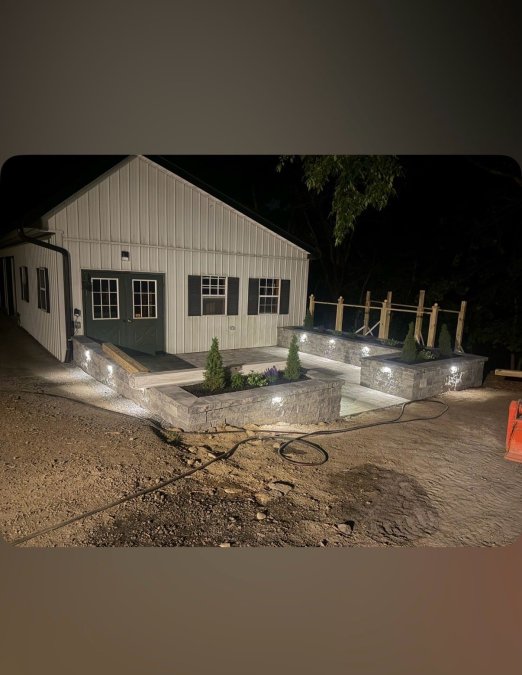
Equipment readiness decides how fast your driveway gets cleared. A company with the right fleet shows up prepared. A company with one overloaded truck shows up late.
Match the machine to the job:
- Truck with a plow blade: standard driveways and long lanes.
- Skid steer: tight spaces, cul-de-sacs, and heavy snow piles.
- UTV with a plow: narrow paths and walkway edges.
Ask what they bring to a property like yours. Then ask how they handle deep snow depth and where the snow goes. Piling snow against your foundation or over a septic area causes problems later.
A crew with attention to detail clears edges clean and keeps piles off landscaping beds.
What a Solid Snow Removal Service Agreement Should Cover
A snow removal service agreement protects both sides. It should state exactly what you get, when, and under what conditions, in language you can hold a provider to. Read it before you sign anything, and ask for unclear terms to be rewritten rather than explained verbally.
Look for these terms, and know what good looks like for each:
- Service scope: which areas get cleared (driveway, walkways, mailbox, and any secondary parking). The agreement should list each area and whether de-icing is included or billed separately.
- Trigger point: the snow depth that starts a visit, stated as a number and a measurement location. A contract that says "we plow when needed" gives you no way to hold anyone accountable; a stated depth gives you a clear standard.
- Service window: how soon after the trigger the crew arrives, and whether repeat visits happen during long storms. Ask whether the window pauses during a declared snow emergency.
- Pricing model: per-visit pricing shifts risk to you in a light winter; a seasonal contract locks in cost but may include a cap on visits. Ask which model the quote uses and what happens if visits exceed the cap.
- De-icing: whether salt or ice melt is included, which product is used, and whether it is applied on every visit or only on request.
- Damage terms: who pays if a plow hits a garage door, a parked car, a retaining wall, or landscaping. The agreement should reference the provider's liability coverage and require notice of damage within a stated period.
- Cancellation rules: how either side ends the deal, notice required, and whether any portion of a seasonal fee is refundable.
- Backup and contingency: whether the provider commits to a backup crew or equipment if a truck breaks down, and how missed visits are handled.
At Santini's Landscape, we treat a winter agreement the same way we treat a hardscape plan: scope first, then schedule, then sign. Dreams Set in Stone. You Need Santini's.
Snow Plowing Service Response Time and Storm Communication
Snow plowing service response time tells you how a company treats a storm. Ask how quickly crews arrive after snow starts and how they handle back-to-back storms.
Good communication looks like this:
- A text or email before the storm with the plan.
- An update if the crew is delayed.
- A note or photo when the job is done.
- A clear storm response order for heavy snowfall.
Reliability is the whole point of hiring out. You should not wonder whether anyone is coming.
At Santini's Landscape, we finish one project before starting the next. That habit carries into winter work. A crew that is not juggling five jobs at once shows up when promised.
Compare Pricing and Check Reputation Before You Commit
Fair pricing comes from clear scope, not from the lowest number. Compare quotes line by line, not by total alone.
| What to Compare | Why It Matters |
|---|---|
| Pricing model | Per-visit pricing shifts risk to you; a seasonal contract locks in cost |
| Service scope | Cheap quotes often skip walkways, steps, or de-icing |
| Trigger point | A higher snow depth means fewer visits and more shoveling for you |
| Response time | Fast storm response costs more but saves you a morning of work |
| Insurance | Verified coverage protects you from damage bills |
| Reputation | Customer reviews show how a company acts when things go wrong |
Pricing depends on your driveway size, service scope, and contract type. We do not quote blind numbers, and neither should anyone else. Ask each company to explain its quote in plain terms.
Then check reputation. Read customer reviews and ask for recommendations from neighbors. Look for patterns, not single complaints. Consistent praise for reliability and communication matters more than a discount.
Conclusion
Hiring snow removal is a trust decision, and the wrong pick costs you time, money, and stress. Vet experience, insurance, equipment, contracts, and reputation before the first storm hits.
Santini's Landscape brings the same care to winter work that we bring to every patio, wall, and excavation job. Our team has served the Hudson Valley since 2004, we focus on one project at a time, and we use equipment suited to each property. Dreams Set in Stone. You Need Santini's. Request a free quote and get your property on the schedule before the snow flies.
Frequently Asked Questions
What should I look for when hiring a snow plowing contractor?
Look for documented experience, proper insurance, and equipment suited to your property. Ask for proof of general liability and workers' compensation coverage, and confirm the contractor carries commercial auto insurance for their plow trucks. Check reviews and references from neighbors with similar driveways. A reliable snow plowing contractor will provide a written service agreement that spells out pricing, response time, and what happens during a major storm, so you know exactly what you are paying for before the first snowfall.
What questions should I ask a snow plowing contractor before signing?
Ask how many properties they service and whether they have backup equipment if a truck breaks down. Ask what triggers a visit, whether it is a snow depth threshold or a storm warning, and how they communicate delays. Confirm whether sidewalk clearing and de-icing are included or extra. Ask for their certificate of insurance and two or three local references. Finally, ask what happens if your driveway or mailbox gets damaged, so you understand their damage policy before any work begins.
How can I verify a snow plowing contractor's insurance and references?
Request a certificate of insurance directly from the contractor and call the insurer listed on it to confirm the policy is active and covers snow removal work. Ask whether subcontractors are covered, since some companies use them during heavy storms. For references, ask for customers with driveways similar to yours and call them after a storm, not in summer, so they can speak to actual winter performance. A contractor who hesitates to share insurance details or references is a warning sign worth taking seriously.
What should a snow removal service agreement include?
A solid snow removal service agreement names the service area, the trigger for dispatch, and the expected response time. It should state whether pricing is seasonal or per-visit, what de-icing and sidewalk clearing cost, and how extra visits are billed. Include the term length, renewal terms, and cancellation policy. The agreement should also cover liability for property damage and the contractor's insurance obligations. Read it before signing and ask for anything vague to be put in writing, because a clear contract protects both sides.