 how-to
How to Fix Water Pooling Against House Foundation
Table of Contents
- Why Water Pooling Against Your Foundation Is a Problem You Can't Ignore
- Step-by-Step Site Assessment: Find the Source Before You Dig
- How to Fix Grading Around House Foundation with Positive Slope
- Downspout Drainage Solutions: Extend, Bury, or Redirect
- Gutter Maintenance and Roof Runoff Management
- When to Consider French Drain Installation Around Foundation
- Signs of Water Intrusion in Basement: Warning Signs and Urgency
- DIY vs. Professional Drainage Repair: What to Expect
- Frequently Asked Questions
Last Updated: October 13, 2026
Why Water Pooling Against Your Foundation Is a Problem You Can't Ignore
Water pooling against your house foundation is a drainage failure where rainwater collects in the soil next to the foundation wall instead of flowing away from the home.
Here's the uncomfortable truth: most homeowners blame the wrong thing. They see a puddle and assume the ground is the problem.
Water pooling against a foundation is the leading cause of basement seepage and foundation wall damage in older homes. When soil stays saturated, it expands, pushes inward, and eventually cracks the wall.
Below, we'll show you exactly how to trace the source, correct the slope, and choose between a surface fix and subsurface water control.
Step-by-Step Site Assessment: Find the Source Before You Dig
The source of water pooling is usually one of five things: poor grading, roof runoff, clogged gutters, a short downspout, or compacted soil. Find the source first. Digging before you know the cause wastes time and money.
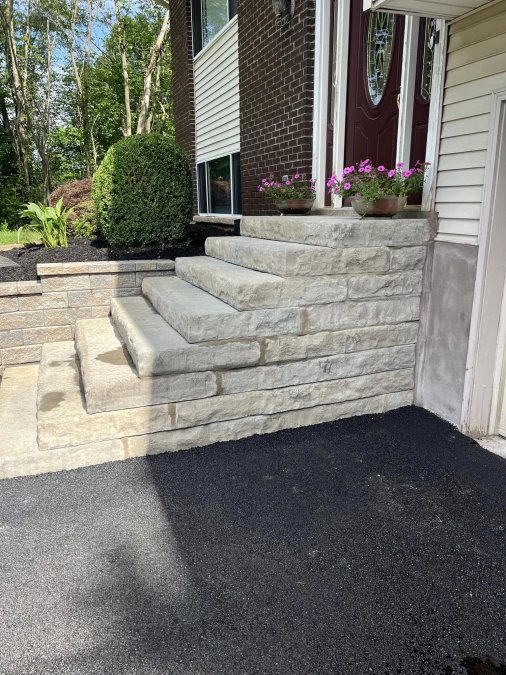
Here's the assessment sequence we use on every job.
Observe Water Behavior During and After Rain
Watch where the water goes while it's still raining, then check again an hour later.
- Note where puddles form and how long they last
- Check if water runs toward the house or away from it
- Look for a water line or dark stain on the foundation wall
- Watch your downspouts during a heavy rain
Standing water that lingers for hours after the rain stops points to poor drainage, not just a low spot.
Check Soil Type, Slope, and Hardscaping
Clay-heavy soil drains slowly and holds water against the wall. Compacted soil does the same. Both make a bad situation worse.
Walk the perimeter and check:
- Does the ground slope away from the house or toward it?
- Are there paved surfaces or hardscaping that push water back at the foundation?
- Do you see cracks, settling, or soft spots in the soil?
If the ground slopes toward the house, no amount of gutter cleaning will fix it. You need to fix grading around house foundation areas first.
How to Fix Grading Around House Foundation with Positive Slope
Fixing grading around house foundation means building a positive slope so water runs away from the wall, not toward it. This is the single most effective surface fix for most homes.
Positive slope means the ground drops as it moves away from the foundation. A common target is a drop of about 6 inches over the first 10 feet. This keeps surface runoff moving away from the wall.
You can't always hit that number. Existing patios, walkways, and property lines get in the way. When that happens, a drainage channel or trench drain can carry water where the slope can't.
Filling Low Spots and Surface Depressions
Low spots and surface depressions are the easiest problems to fix. Fill them with compacted fill soil and re-slope the area.
- Remove any sod or debris from the low spot
- Add fill soil in thin layers, not one big dump
- Compact each layer as you go
- Slope the finished surface away from the wall
Skip the compaction step and the soil settles within a season. You'll be back where you started.
Downspout Drainage Solutions: Extend, Bury, or Redirect
Downspout drainage solutions come down to one goal: get roof runoff far enough from the foundation that it can't soak back in. A downspout that ends at the wall is often the whole problem.
You have three main options.
- Extend: Add a gutter extension to push discharge several feet from the wall. Fast and cheap.
- Bury: Run the downspout into buried pipe that carries water to a drain outlet downhill. Cleaner look, more work.
- Redirect: Use a splash block or channel to send water across a slope and away from the house.
Burying is the best long-term fix, but it needs the right slope and a proper outlet. If the pipe ends in your lawn, you've just moved the puddle.
Gutter Maintenance and Roof Runoff Management
Roof runoff is the largest single source of water around most homes. Manage it and you solve half your drainage problems before you touch the soil.
Clean gutters move water to the downspouts. Clogged gutters overflow at the roof edge and dump water straight down next to the foundation.
- Clean gutters at least twice a year, more if you have overhanging trees
- Check that gutters slope toward the downspouts
- Seal leaks at joints and seams
- Add gutter guards if debris is a constant battle
If water sheets off your roof and lands in a ring around the house, no grading fix will hold up. Fix the roof runoff first.
When to Consider French Drain Installation Around Foundation
French drain installation around foundation walls is the right call when surface fixes aren't enough. A French drain is a gravel-filled trench with a perforated pipe that collects subsurface water and carries it away from the wall before it can build hydrostatic pressure.
Consider one when:
- The ground stays saturated long after rain
- You've fixed grading and downspouts but water still pools
- You have clay-heavy soil that drains slowly
- Water is already seeping into the basement
- You see a water line on the foundation wall after every storm
A French drain handles subsurface water control, the water you can't see. That's why it works when surface fixes fail.
How a Foundation French Drain Is Actually Built
Most practitioners run the trench alongside the footing, not against the wall itself. The pipe sits on a bed of washed gravel, gets wrapped in filter fabric, and is covered with more gravel before the soil goes back on top. The fabric matters: without it, fine clay particles migrate into the gravel and clog the system within a few seasons.
Key build details we check on every install:
- Trench depth: Deep enough to intercept water before it reaches the footing, typically below the level of the basement floor.
- Pipe: Rigid perforated pipe holds its slope better than the flexible corrugated kind, which can sag and create low spots that trap water.
- Slope: The pipe needs a continuous fall toward the outlet. A common target is roughly 1 inch of drop per 10 feet. Flat pipe is a failed pipe.
- Gravel: Washed stone, not crusher run. Fines defeat the purpose.
- Filter fabric: Wraps the gravel to keep soil out.
- Outlet: The discharge point must be downhill, daylight to the surface, or tied into a storm system where allowed. A pipe that dead-ends in the lawn just relocates the puddle.
French Drain vs. Surface Fix: Which One Fits
A surface fix moves water that's already on top of the ground. A French drain moves water that's already in the ground. If your yard slopes correctly and your downspouts discharge far enough, but the soil still stays soggy for days, you have a subsurface problem and grading alone won't solve it.
Discharge Rules and Neighbor Impacts
Where the water goes matters as much as how you collect it. Discharging concentrated runoff onto a neighboring property or across a public sidewalk can create a legal problem on top of a drainage one. Many municipalities regulate where sump pumps and foundation drains can discharge, and some prohibit tying them into the sanitary sewer. Before we set an outlet, we confirm it sends water to a lawful, downhill point that won't pond on someone else's land.
Signs of Water Intrusion in Basement: Warning Signs and Urgency
Signs of water intrusion in basement walls show up long before you see a puddle. Catching them early is the difference between a simple fix and a major repair.
Watch for these warning signs:
- A musty smell that won't go away
- White powdery deposits on the foundation wall
- Dark stains or damp patches on the wall
- Efflorescence, a chalky film left by evaporating water
- Bubbling or peeling paint on basement walls
- Cracks that widen over time
Any of these mean water is already getting in. Don't wait.
Foundation damage gets worse, not better. Saturated soil expands and pushes against the wall. That pressure causes bowing, cracking, and eventually structural failure. A wet basement today can become a foundation repair tomorrow.
If you see bowing walls or wide cracks, call a professional right away. That's past the point of a weekend fix.
DIY vs. Professional Drainage Repair: What to Expect
DIY makes sense for small surface fixes. Professional help makes sense for anything involving subsurface drainage, regrading at scale, or foundation warning signs.
Here's how to decide.
| Situation | DIY or Pro | Why |
|---|---|---|
| Clogged gutters | DIY | Basic maintenance, low risk |
| Short downspout | DIY | Add an extension, done |
| Small low spot | DIY | Fill and compact by hand |
| Regrading a full yard | Pro | Needs equipment and slope control |
| French drain install | Pro | Depth, slope, and outlet must be right |
| Bowing or cracked wall | Pro | Structural risk, urgent |
Costs vary widely based on yard size, soil, access, and how much drainage work is needed. There's no honest flat number until someone walks the property.
A common mistake is hiring the cheapest quote for a drainage job. Bad drainage work fails quietly for a season, then shows up as a wet basement.
At Santini's Landscape, we focus on one project at a time. We handle the excavation, the grading, and the drainage system with our own crew and equipment.
Water pooling against your foundation won't fix itself, and it gets more expensive the longer you wait.
Frequently Asked Questions
How long does it take for water to damage a foundation?
Foundation damage timelines vary with soil type, drainage, and water volume. Clay-heavy soil can swell and crack a foundation within one or two wet seasons, while sandy soil may take years. Visible cracks, bowing walls, or basement seepage signal that water has already caused structural stress. Addressing water pooling against house foundation early prevents costly repairs. If you notice new cracks or persistent dampness, schedule a professional assessment promptly.
Can gutters and downspouts cause water to pool near a foundation?
Yes. Clogged gutters overflow directly at the roofline, and short downspouts dump roof runoff within a few feet of the foundation. Extending downspouts at least 4 to 6 feet away and keeping gutters clean are simple downspout drainage solutions that reduce pooling. Also check that downspout discharge points away from the house and does not create a new problem for neighbors or paved areas.
When should you install a French drain around a foundation?
A French drain is appropriate when surface fixes like regrading and downspout extensions do not stop water from reaching the foundation, or when subsurface water keeps soil saturated. Signs include a consistently wet foundation wall after rain, basement seepage, and standing water in the yard. French drain installation around foundation requires careful trenching, proper slope, and a gravel-filled system. Because it involves excavation near the structure, this is a job best handled by an experienced contractor.
What are the signs of water intrusion in basement?
Common signs of water intrusion in basement include damp or discolored walls, white powdery deposits (efflorescence), musty odors, peeling paint, and visible water stains on the floor or lower walls. You may also notice increased indoor humidity or mold growth. These indicators mean water is already entering the structure. Fixing exterior drainage and grading is the first step. If the signs persist, consult a drainage or foundation professional to assess the source and recommend repairs.