 Ultimate guide
The Benefits of Professional Soil Testing for Inground Pools
Last Updated: November 24, 2026
Quick Summary
Professional soil testing for inground pools protects the entire investment by revealing what the ground can actually carry before excavation begins. It identifies weak soils, water problems, and movement risks that determine how a pool must be built, giving the builder the engineering data needed to design a shell that holds for decades.
- A soil test report classifies your site's soil and states its bearing capacity and drainage characteristics.
- Low bearing capacity may require over-excavation and replacement with compacted structural fill.
- High groundwater can push against an empty pool shell and flood the excavation.
- Testing matters most on lots with fill soil, drainage problems, slopes, or mature trees.
- Ask upfront who orders the soil test and who reads the report.
Table of Contents
- What are the benefits of professional soil testing for inground pools?
- Why soil testing before pool installation decides the whole build
- Soil bearing capacity for pool construction and what it supports
- What a pool soil test report actually tells you
- Pool site drainage assessment: groundwater, tree roots, and moisture
- How soil conditions shape pool design and construction planning
- When testing matters most and who arranges it
- Schedule Your Pool Site Evaluation
- Frequently Asked Questions
What are the benefits of professional soil testing for inground pools?
Professional soil testing for inground pools protects the entire investment by revealing what the ground can actually carry before a single shovel breaks earth. It identifies weak soils, water problems, and movement risks that determine how a pool must be built, and it gives the builder the engineering data needed to design a shell that will hold for decades.
Dreams Set in Stone start with knowing what you're standing on.
Below, we'll show you exactly what a soil test measures, how to read a soil report, and why skipping this step is the most expensive shortcut in pool construction.
Why soil testing before pool installation decides the whole build
A pool is heavy, and it sits in a hole. That combination makes the ground underneath a structural element, not just a backdrop. Soil testing before pool installation is the point where a builder learns whether the site can support the design the homeowner wants, or whether the design has to change. For the full picture of professional pool site preparation, start with the ground.
Soil composition: clay, sand, and loose or unstable ground
Soil type drives everything downstream. Clay holds water and expands and contracts with moisture, which pushes against pool walls. Sandy soil drains quickly but can shift under load. Loose or fill soil, common on lots that were graded years ago, may not have been compacted to any standard.
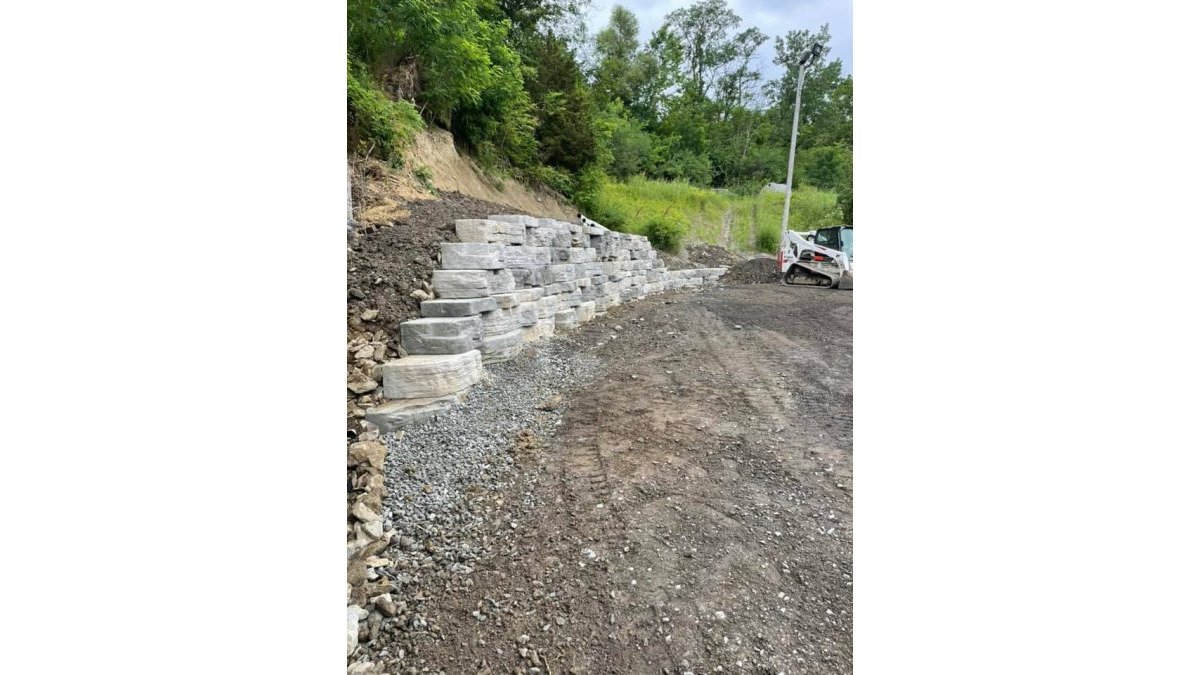
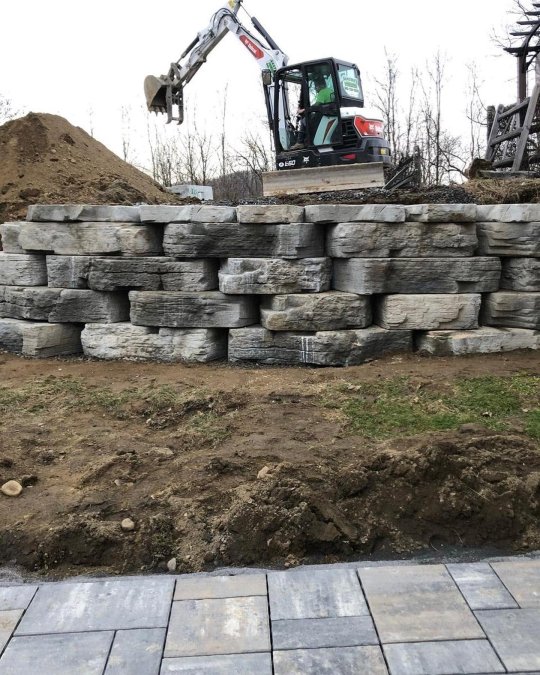
Each of these conditions changes how a pool shell is built and how the surrounding decking is supported. For a deeper look at how soil behavior affects structures, see our explanation of why soil testing makes or breaks a retaining wall.
Ground pressure, settlement, and structural stability
Ground pressure is the load the pool and its water place on the soil beneath. When that load exceeds what the soil can bear, settlement follows, and settlement shows up as cracks in the shell, gaps at the skimmer, and deck slabs that drop unevenly. Structural stability depends on matching the pool's weight to the soil's capacity, not on hoping the ground cooperates.
Soil bearing capacity for pool construction and what it supports
Soil bearing capacity for pool construction is the maximum load a given soil can support without failing or settling excessively. An inground pool filled with water is enormously heavy, and that weight transfers through the shell into the soil below and around it.
If bearing capacity is adequate, a standard shell design works. If it isn't, the engineer may call for over-excavation and replacement with compacted structural fill, a reinforced base, or deeper footings under the deck. None of these are guesswork decisions. They come from the numbers in the soil report.
What a pool soil test report actually tells you
A pool soil test report is a written geotechnical document that classifies the soil on your site, states its bearing capacity and drainage characteristics, and gives engineering recommendations for foundation support. It is the single most useful piece of paper in the pre-construction file, and as the contractor who will actually dig the hole, we read it differently than a homeowner might.
Testing methods and measurable soil properties
A geotechnical assessment typically involves boring or test pits to sample soil at depth, laboratory analysis of those samples, and field observations of groundwater. The report measures properties like soil classification, moisture content, compaction, and the depth of the water table. For pool work, we pay closest attention to bearing capacity (often expressed in pounds per square foot), the plasticity of clay soils, and the elevation of the water table relative to the planned pool bottom. These numbers tell us whether the design can proceed as drawn or whether the engineer needs to adjust the shell, the base, or the drainage plan.
How to interpret the findings before excavation
Read the recommendations section first. That's where the engineer states what the builder must do: how deep to excavate, what fill to use, how to compact it, and how to handle water. The classification and lab data explain why those recommendations exist. A common mistake is skimming straight to the soil type and ignoring the recommendations that follow from it. Watch out: a report that flags expansive clay but offers no mitigation steps is incomplete; ask the geotechnical engineer for specific guidance before mobilizing.
What happens when results reveal a problem
When test results show a concern, low bearing capacity, high groundwater, or unstable fill, the response is rarely one-size-fits-all. Possible next steps include design changes (such as a thicker shell or deeper footings), drainage measures (dewatering during excavation or a permanent perimeter drain), excavation adjustments (over-excavation and replacement with compacted structural fill), or a formal engineering review. Dreams Set in Stone means solving the ground problem first, not hoping it away.
Pool site drainage assessment: groundwater, tree roots, and moisture
A pool site drainage assessment examines how water moves across and through the site before, during, and after construction. Groundwater that sits high can push against an empty pool shell, and poor surface drainage sends runoff toward the excavation.
Tree roots and vegetation matter too. Roots near the pool walls can compromise soil stability, and removing large trees changes moisture levels in the surrounding soil. Moisture is the variable that turns a stable soil into a moving one, which is why drainage gets designed alongside the pool, not after it.
How soil conditions shape pool design and construction planning
Soil conditions shape pool design and construction planning by setting the limits the design must work within. A site with high groundwater may call for a different shell type or a dewatering plan during excavation. Unstable ground may push the pool to a different location on the lot or require engineered fill beneath it.
This is also where excavation approach gets decided. Hand digging versus machine work depends on access, soil type, and how much material has to come out. Our guide to excavating a pool by hand or machine covers how that choice plays out on real sites, and our Hudson Valley pool excavation guide walks through the excavation phase from start to finish.
| Soil Condition | Construction Risk | Typical Response |
|---|---|---|
| High clay content | Expansion and pressure on walls | Engineered backfill, reinforced shell |
| Sandy soil | Shifting under load | Compaction testing, stabilized base |
| Loose or fill soil | Settlement and cracking | Over-excavation and replacement |
| High groundwater | Shell uplift, excavation flooding | Dewatering plan, drainage design |
| Tree roots nearby | Soil instability, future movement | Root removal, moisture management |
When testing matters most and who arranges it
Testing matters most on lots with a history of fill, known drainage problems, or previous structures. It matters just as much when the pool is going near a slope, a retaining wall, or mature trees. From our side of the clipboard, we use a simple checklist to flag sites where skipping a soil test is a gamble:
- Expansive clay - soil that swells when wet and shrinks when dry can crack a shell.
- Sandy or loose ground - quick drainage sounds good until the soil shifts under load.
- Fill soil - lots graded years ago may never have been compacted to any standard.
- High groundwater - an empty pool can float or the excavation can flood.
- Nearby trees - roots can compromise stability and removing them changes moisture.
- Prior drainage issues - standing water or erosion hints at problems below.
- History of settlement - cracks in existing driveways or patios are a warning.
If any of these apply, a professional soil test is not optional, it is the cheapest insurance you will buy on the project.
Who arranges the test and when it fits the timeline
Ask upfront who is ordering the test and who reads the report. Watch out: a builder who waves off testing as unnecessary is telling you something about how the rest of the project will go. You Need Santini's, because we would rather answer hard questions before breaking ground than explain surprises later.
Schedule Your Pool Site Evaluation
The ground under your future pool is either an asset or a liability, and a soil test is how you find out which. Santini's Landscape brings excavation and site preparation experience to every project, working one job at a time so the details get the attention they deserve, using premium materials and specialized equipment. You Need Santini's.
Every inground pool project starts with a decision about the ground, and that decision deserves real data. Contact Santini's Landscape to schedule a site evaluation and get your pool build started on solid footing. Get started with Santini's Landscape and build a pool that holds up for decades.
Frequently Asked Questions
What does a professional soil test check at a pool site?
A professional soil test checks the properties that decide how an inground pool shell will be supported. Crews take soil samples from borings across the footprint and send them to a laboratory for analysis. The report covers soil classification, clay content, moisture, groundwater depth, and bearing capacity, plus any compaction or drainage concerns. It also flags tree roots, fill soil, or unstable ground that could cause movement after construction. The results give the builder the data to design foundation support and excavation correctly.
How can soil conditions affect inground pool construction?
Soil conditions affect almost every construction decision. Clay-heavy or loose soil may not carry the pool's weight without engineered support, and unstable ground can shift or settle after the shell is set. High groundwater or poor drainage adds pressure on the pool structure and can undermine decking and plumbing. A soil report tells the builder whether standard excavation and base preparation will work or whether the design needs reinforcement, dewatering, or a different pool shell approach. Testing early prevents costly surprises mid-build.
Can a soil test identify drainage problems around a pool?
Yes. A pool site drainage assessment measures how water moves through the soil and where it collects. The report identifies high groundwater, slow-draining layers, and slopes that direct runoff toward the pool area. It also notes vegetation and tree roots that can affect moisture. With that information, the builder can plan grading, drainage, and foundation details before excavation, which protects the pool shell, decking, and surrounding landscape from water damage over the long term.
When should soil testing be done during pool planning?
Soil testing should happen before final design and excavation, ideally once the pool location is set but before any ground is broken. Early testing gives the designer time to adjust the pool structure, depth, and foundation support based on real site conditions. It also lets the builder price the work accurately instead of adding change orders later. If the report reveals a concern, there is time to plan a fix. Waiting until excavation starts leaves little room to respond without delays.