 Comparison
Should You Excavate a Pool by Hand or Machine?
Quick Summary
Choose mechanical excavation for large pools on open sites where speed and a smaller crew matter, and manual excavation for tight access, sensitive landscaping, or precise edges. Most pool excavation projects use both, with a machine removing bulk soil and hand crews finishing the perimeter.
- Mechanical excavation uses a mini excavator to remove soil quickly and in bulk.
- Manual excavation suits narrow side yards and areas close to buried utilities or fences.
- Call 811 to request a utility locate before any digging begins.
- Plan for spoil removal, including a truck, dumpster or staging spot, before digging starts.
- Agree on which zones are mechanical and which are manual before mobilization.
Table of Contents
- Mechanical vs. Manual Pool Excavation: How the Two Methods Compare
- Pool Excavation Equipment: What Each Method Requires On Site
- Pool Excavation Access Requirements and Working Space
- Pool Excavation Soil Conditions and How They Change the Choice
- Pool Excavation Timeline: Speed, Labor and Project Duration
- Cost, Spoil Removal and Hybrid Excavation Plans
- Planning Your Pool Dig With Santini's: Next Steps for Your Project
- Frequently Asked Questions
Should You Excavate a Pool by Hand or Machine?
Last Updated: November 22, 2026
Mechanical vs. Manual Pool Excavation: How the Two Methods Compare
Every pool starts with a hole, and how that hole gets dug shapes the cost, the schedule and the finished result. The choice between mechanical and manual excavation is rarely about preference. It comes down to the site. Dreams Set in Stone starts with a clear plan for the dig.
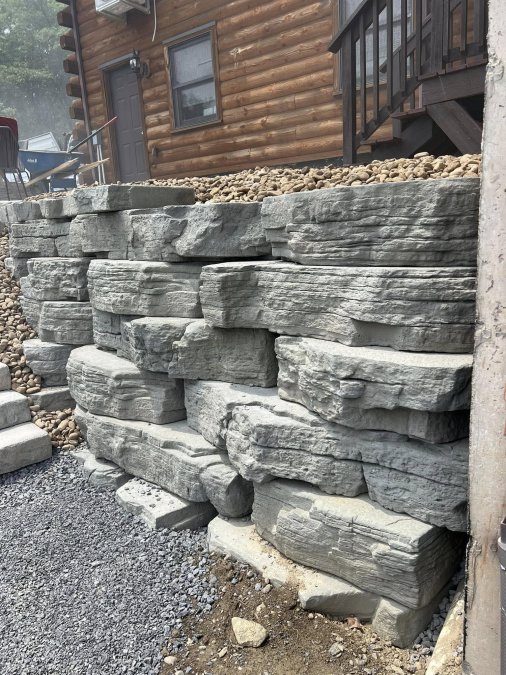
Mechanical excavation uses a machine, usually a mini excavator, to remove soil quickly and in bulk. Manual excavation relies on crews with hand tools, shovels and wheelbarrows, working the hole out by hand. Most pools use some of each, but the balance matters.
Mechanical excavation works best when:
- The pool is large or the site has plenty of open space for equipment
- The schedule is tight and speed matters
- The soil is loose enough to dig without heavy breaking
Manual excavation works best when:
- Access is tight, such as a narrow side yard or a space beside a fence or structure
- Buried utilities or sensitive landscaping sit close to the dig line
- Precision at the edges matters more than speed
Here is the short version:
| Factor | Mechanical | Manual |
|---|---|---|
| Speed | Fast for bulk removal | Slow, labor-intensive |
| Labor | Smaller crew, machine-driven | Larger crew, physical effort |
| Precision | Good for general shaping | Strong at edges and tight spots |
| Access needs | Needs room for equipment | Works in confined areas |
Neither method wins on every project. The right answer depends on the details covered below.
Pool Excavation Equipment: What Each Method Requires On Site
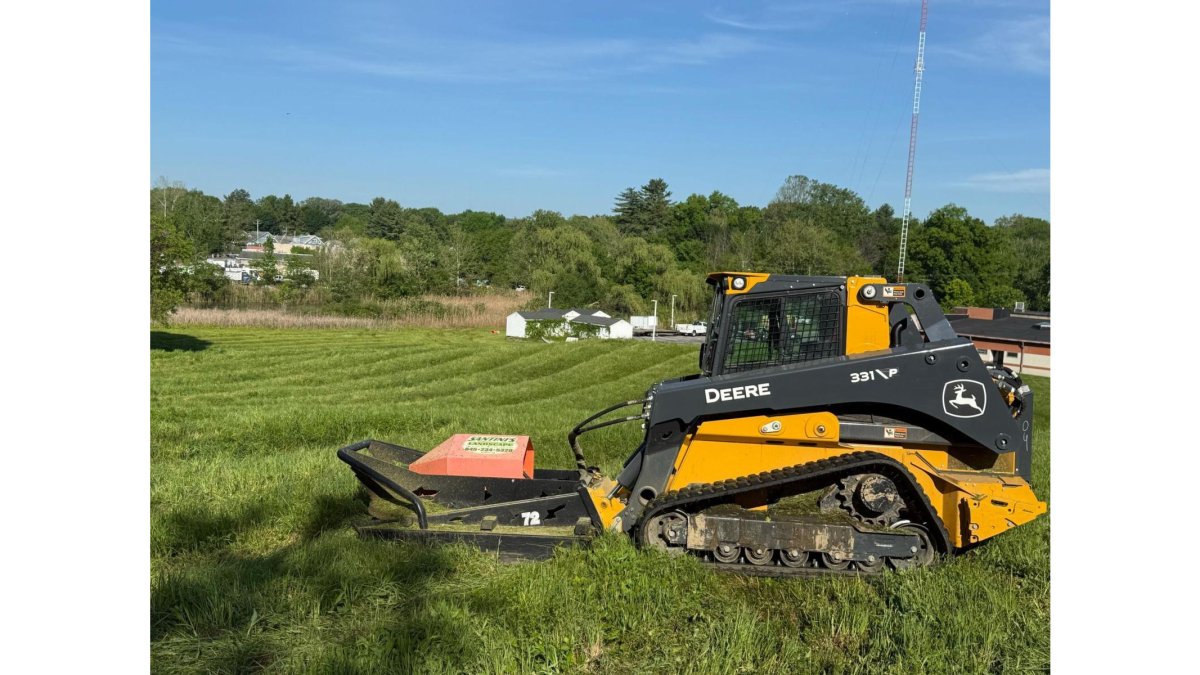
Mechanical work depends on equipment. A mini excavator is a common choice for a residential pool, because it can work within a yard. Larger jobs may bring in other equipment. Each machine needs a clear path, a stable surface and room to swing.
Manual work needs fewer machines but more people, and every bucket of spoil adds time and physical strain.
One common mistake is underestimating spoil removal. Whichever method you choose, the dug soil has to go somewhere. Plan for a truck, a dumpster or a staging spot before the first shovel goes in.
!A backyard pool excavation site with a mini excavator working beside a crew member with hand tools near the dig edge, neatly stacked spoil piles nearby
Pool Excavation Access Requirements and Working Space
Access is often the factor that decides the method before soil or schedule ever enter the conversation. A machine needs a continuous route from the street or driveway to the dig, enough width for the tracks and bucket, overhead clearance for the arm and cab, and a surface that can carry the machine's weight without rutting or collapsing. A mini excavator is the usual residential choice because it can fit through many side yards and gates, but "mini" is relative: the machine, its tracks, and the clearance it needs to swing still have to fit the path.
Working space around the pool outline matters as much as the route in. A machine needs room to swing the arm and bucket, room to stage spoil without blocking its own path, and a stable stance. On a tight lot, the practical options narrow to a smaller machine, manual excavation, or a hybrid plan where the machine reaches only the open center and hand crews work the perimeter. Slopes add another constraint: a machine on a grade needs safe positioning, and a steep path may rule out equipment entirely.
Protecting the property is part of access planning. Machines can rut lawns, crack walkways, and compact soil around plantings. Protective mats, a defined travel route, and temporary fencing around retained landscaping reduce damage. Ground pressure matters too: a loaded machine on soft ground can sink or tip, so the route and staging area need a stable base. On properties with mature landscaping or hardscape to preserve, manual work or a smaller machine may protect the investment better than a larger unit that saves digging time but damages the yard.
Before any digging starts, have underground utilities located. Call 811 to request a utility locate, the national call-before-you-dig service. Mechanical equipment is particularly risky near buried lines, and hand-digging near the marked utility zone is the standard safeguard. Access planning and utility locating belong in the same conversation because the machine route and the utility corridor often overlap.
Watch out: assuming a machine will fit because a neighbor's did. Gate widths, overhead clearance, slopes, and surface strength vary from property to property, and a route that works next door may not work on yours. Walk the access with your contractor before mobilization.
A realistic access assessment often points to a hybrid plan: machine where it fits and can work safely, hand crews where it cannot. You Need Santini's to walk the property and match the method to the route, the soil, and the pool design.
Pool Excavation Soil Conditions and How They Change the Choice
Soil is one of the biggest variables in any dig. Loose, sandy or loamy soil moves easily, which favors mechanical excavation. Dense clay, rocky ground or soil with buried debris slows machines down and can make manual work more practical at certain points.
Many homeowners in the Hudson Valley find that native soil varies within a single yard. If your soil must carry heavy loads after the dig, learn how to prepare it in How to Prepare Backyard Soil for Heavy Stone Pavers. A dig may run through topsoil, then clay, then shale or fill. A capable crew reads those changes as the hole goes deeper and adjusts the method accordingly.
Soil also affects precision. Mechanical tools can overshoot the planned line, while hand tools allow crews to trim the walls and floor more exactly. Pools with tight tolerances, such as those with built-in steps or ledges, often benefit from hand finishing.
Watch out: rocky or unstable soil can make a machine-only plan fail halfway through the dig. Build in time to switch methods if conditions change.
Pool Excavation Timeline: Speed, Labor and Project Duration
Speed is the clearest advantage of mechanical work. A mini excavator can remove a large volume of soil in a short period, and a small crew can keep it moving. For a standard residential pool, machines usually shorten the digging phase considerably compared with manual work.
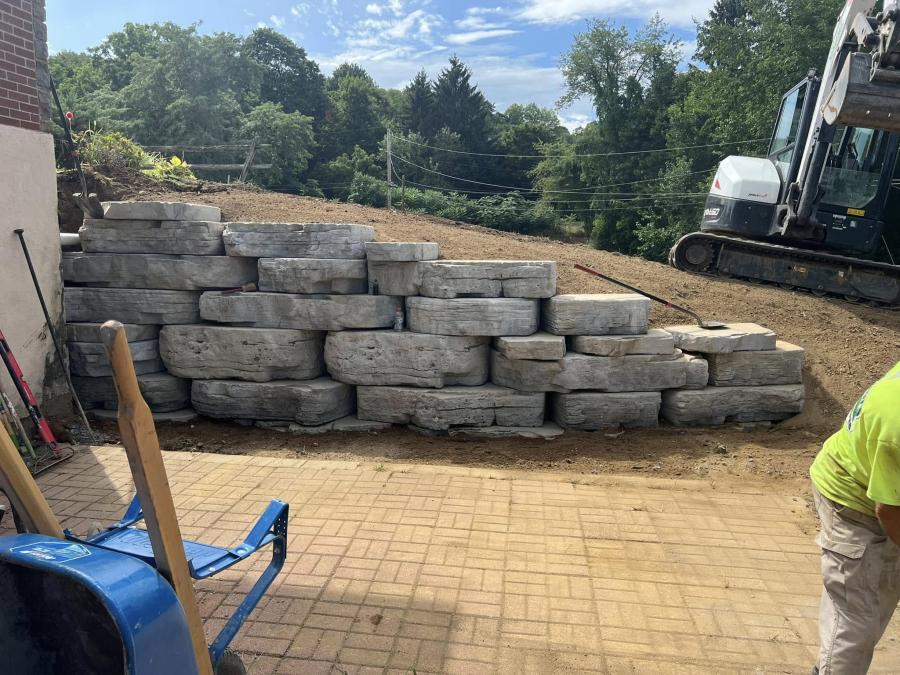
Manual excavation takes longer and requires more labor. Each shovelful is small, and the physical effort adds up over several days. That slower pace makes sense in tight spaces, but it extends the schedule.
Project duration also depends on weather, soil and how quickly spoil gets hauled. A dig can stall while waiting for a truck, and rain can turn clay into a hard-to-work mess. Build a realistic schedule that accounts for these delays rather than assuming a clean run.
Focusing on one project at a time means the dig gets full attention from start to finish.
Cost, Spoil Removal and Hybrid Excavation Plans
Cost is where the mechanical-versus-manual decision gets real, and it is rarely a simple either-or. The total installed cost of a pool dig is built from several line items: labor hours, machine time and mobilization, access preparation, utility locating, spoil hauling and disposal, hand-finishing, and site restoration. Mechanical excavation often reduces labor hours on an open site but adds machine mobilization and operating time. Manual excavation can reduce equipment needs on a tight lot but multiplies labor hours and physical strain. We do not publish fixed prices here because the mix depends on pool size, soil, access, and haul distance. Contact Santini's Landscape for a quote built from your property's actual conditions.
Spoil is the line item most often underestimated. Excavated soil does not disappear; it has to be staged, loaded, hauled, and either disposed of or reused. The volume is larger than many people expect because soil bulks up when disturbed, and a pool hole produces more spoil than the finished pool volume suggests. Plan for truck access, a staging area that does not block the dig, and a disposal or reuse plan before the first bucket moves. Ask your contractor whether hauling and disposal are included in the quote or billed separately, and where the spoil will go.
A hybrid plan is often the most realistic answer, and it deserves a pool-specific framework rather than a vague mention. Think of the dig in zones. The bulk center of the pool is usually the best candidate for a machine: it is open, repetitive, and fast to remove. The perimeter, the transition to steps and ledges, the area near buried utilities, and the edges beside structures or landscaping are better candidates for hand work. A workable hybrid sequence is: locate utilities, establish the machine route and staging area, remove bulk soil mechanically, then hand-trim walls, floor profiles, and tight corners to the design tolerances.
Watch out: a hybrid plan fails when the hand-finishing scope is not defined up front. If crews are expected to trim an entire wall by hand because the machine could not reach it, the schedule and labor estimate can blow past the plan. Agree on which zones are mechanical and which are manual before mobilization.
A phased plan lets the machine do the bulk work while hand crews finish the details that matter. Dreams Set in Stone means the hole is ready for what comes next, not just dug. Explore whether a backyard excavation makes sense for your project and budget in our guide, Is Backyard Excavation Worth It: A Contractor's Guide.
Planning Your Pool Dig With Santini's: Next Steps for Your Project
Choosing between mechanical and manual excavation is really about matching the method to your site, soil, access and schedule. Machines deliver speed and bulk removal. Hand crews deliver precision in tight spaces. Most successful pools use both.
The best next step is a site visit. At Santini's Landscape, we walk the property, check access and soil, locate utilities and recommend a method that fits your yard. Contact Us to request a free quote and start planning your pool dig.
You Need Santini's, and we will make sure your dream is built to last.
Frequently Asked Questions
Can you excavate a pool by hand?
Yes, a pool can be dug by hand, but it is labor-intensive and slow, so it is usually limited to small pools, tight yards where machines cannot reach, or sections near utilities or structures where precision matters most. Most full pool excavations combine a machine for bulk removal with hand digging for the final grade, corners and edges. Hand work also gives the crew more control over the finished shape, which helps when the pool has steps, benches or irregular outlines. Your Santini's crew can recommend whether a hand, machine or hybrid approach fits your yard.
How long does pool excavation take?
Timeline depends on pool size, soil conditions, access and whether the work is done mechanically, by hand or in combination. Machine excavation typically moves material far faster than hand digging, while manual work can extend the schedule significantly on tight sites. Rocky or compacted soil and limited working space both add days. Ask for a schedule that accounts for spoil removal and grading, not only the digging itself, so you know when the project is realistically complete.
When is manual excavation better than mechanical excavation for a pool?
Manual excavation tends to make sense when machines cannot safely reach the site, when the pool is small, or when the work sits close to underground utilities, foundations or retaining walls. Hand digging also suits detailed finishing around steps, benches and curved edges. For most open, accessible backyards, machine excavation is the more efficient choice for the bulk of the dig, with hand work reserved for precision zones.
What equipment is used to excavate a swimming pool?
Typical equipment for pool excavation includes machines for bulk removal and hand tools for edges, corners and final grading. The right mix depends on the yard's width, gate access and the amount of soil that must leave the property. A contractor can match equipment to your specific site during planning.