 how-to
How to Choose Hardscaping Materials for Orange County
Last Updated: November 4, 2026
Quick Summary
Choosing hardscaping materials for the Orange County climate starts with reading your site: soil composition, drainage patterns, and sun exposure decide which materials survive and which crack, heave, or trap water. Light-colored, high-reflectivity pavers perform best on hot, high-sun patios, while permeable systems suit spots where water pools.
- Dig a test hole and squeeze a handful of soil; a ribbon shape means clay and a deeper aggregate base.
- Dark pavers absorb solar radiation and release it into the evening, making west-facing patios uncomfortable.
- Permeable pavers let water pass through joints into a stone reservoir below, reducing pooling on site.
- Porcelain, granite, and premium concrete pavers rarely need sealing compared with other options.
- Match or complement the home's exterior by pulling color cues from siding, roofing, and trim.
Table of Contents
- Start With Your Site: Soil, Drainage, and Sun Exposure
- Best Pavers for Hot Climates and High-Sun Patios
- Natural Stone vs. Concrete Pavers: Which Holds Up Better
- Permeable Pavers for Drainage and Runoff Control
- Low-Maintenance Patio Materials That Still Look Premium
- Matching Hardscaping Materials to Your Home and Landscape Design
- Request a Free Quote and Lock In Your Material Plan
- Frequently Asked Questions
Start With Your Site: Soil, Drainage, and Sun Exposure
Choosing hardscaping materials for the Orange County climate starts with reading your site, not browsing stone catalogs. The ground beneath a patio decides which materials survive and which ones crack, heave, or trap water. Soil composition, drainage patterns, and sun exposure can vary block by block, so every property should be walked before a single paver is recommended.
Three site factors drive the decision:
- Soil composition. Clay-heavy ground holds water and swells in freeze-thaw cycles. Sandy or gravelly soil drains fast but shifts under load. Dig a test hole and squeeze a handful of soil: if it holds a ribbon shape, plan for soil amendment and a deeper aggregate base.
- Drainage and surface runoff. Watch where water pools after rain. Low corners need drainage systems or permeable surfaces; sloped yards need erosion control before any hardscape installation begins.
- Sun exposure and micro-climate. A patio on the south side of the house bakes all afternoon. A shaded courtyard stays cool and grows moss. Both are fine, but they call for different materials.
Get this step right and everything else follows. Skip it, and even premium stone will fail.
Best Pavers for Hot Climates and High-Sun Patios
Light-colored pavers with high reflectivity perform best in full sun, because pale surfaces absorb less heat and stay comfortable underfoot. For hot, high-sun patios, light-toned materials are generally a better choice than dark charcoal options.
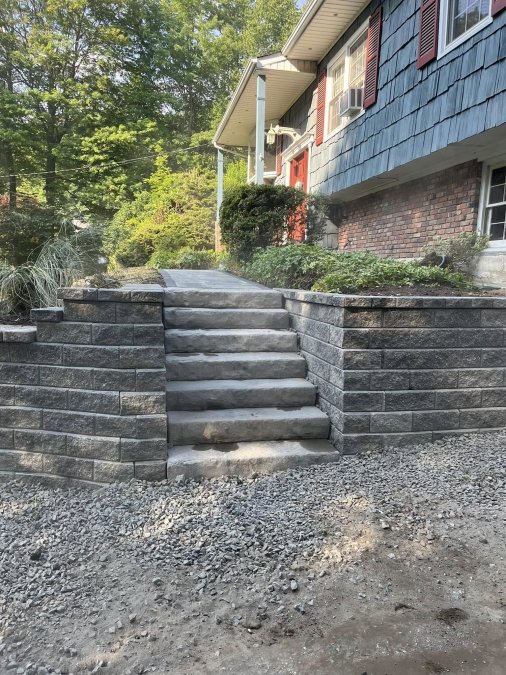
The heat island effect is real, and it starts at the surface. Dark pavers soak up solar radiation through the day and release it into the evening, which makes a west-facing patio uncomfortable right when you want to use it. Thermal expansion matters too: materials that expand and contract sharply under temperature swings need proper joint spacing and a stable base, or they crack.
What most guides miss is that color alone isn't the whole story. Surface texture and thickness affect heat absorption as much as tone. A honed, mid-tone stone can outperform a glossy pale one. UV resistance matters for anything with a sealer or manufactured finish, since cheap coatings chalk and fade within a few seasons.
Natural Stone vs. Concrete Pavers: Which Holds Up Better
Natural stone wins on longevity and aesthetic durability; concrete pavers win on consistent sizing, lower upfront cost, and easier replacement. For a deeper comparison of durable materials for outdoor hardscaping projects, see our full guide. Both hold up well when installed correctly over a proper base.
Here's how the two compare on the factors that matter most:
| Factor | Natural Stone | Concrete Pavers |
|---|---|---|
| Weather resistance | Excellent; frost and heat stable | Good; depends on mix quality |
| UV resistance | Inherent, never fades | Color can fade over time |
| Thermal expansion | Low to moderate | Moderate to higher |
| Structural integrity | Very high | High with proper base |
| Repair | Individual stones can be reset | Individual units replaceable |
| Maintenance | Occasional sealing | Occasional sealing, weed control |
| Upfront cost | Higher | Lower |
Natural stone generally costs more and takes more skill to set, but it can be very long-lasting. Concrete pavers are often a practical choice when budget and speed matter, provided the base is right. A common mistake is blaming the paver for cracking when the real culprit was a thin, poorly compacted base.
Permeable Pavers for Drainage and Runoff Control
Permeable pavers manage surface runoff by letting water pass through joints and gaps into a stone reservoir below, which can reduce pooling on the site.
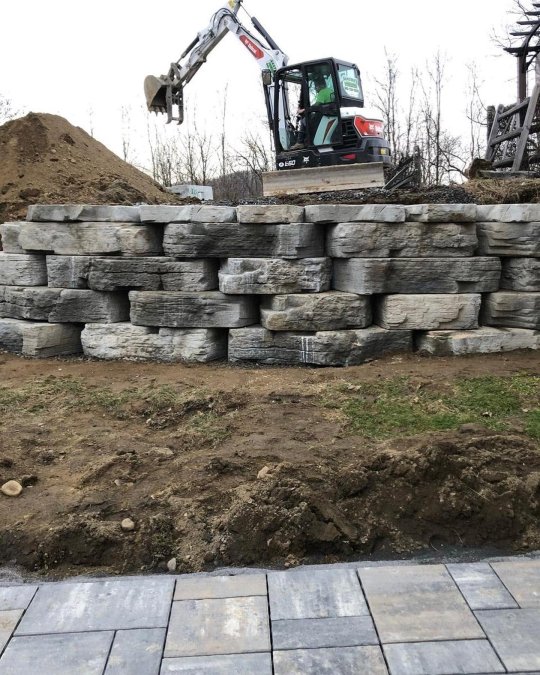
Porous concrete and permeable paver systems work best where:
- Water pools in low spots after storms
- The soil drains reasonably well once water gets below the surface
- You want to reduce runoff toward the house, driveway, or neighbor's property
- Local drainage requirements push you toward on-site water management
Stormwater management ordinances and homeowner association design rules can both affect a permeable paver project. Before ordering materials, check the applicable local stormwater requirements and any HOA design guidelines, and confirm whether the project's impervious surface triggers them.
Soil matters as much as code. Permeable systems need a subgrade that can accept water at a reasonable rate, and a percolation test can help show whether the native soil will drain. Heavy clay with nowhere for water to go is the classic failure case: the reservoir fills, the surface ponds, and the homeowner blames the pavers. In that scenario, permeable pavers alone won't solve it; you need a drainage plan first. See our guide to backyard drainage fixes for practical runoff solutions.
Maintenance is the other half of performance. Permeable surfaces clog with fines, decomposed granite, and leaf litter, and once the pores seal, the system stops infiltrating. Plan on periodic sweeping, vacuum-assisted cleaning, and occasional joint aggregate replenishment. A permeable system maintained on a schedule can often outlast a conventional paver patio maintained reactively, because water is less likely to sit against the base. If the base reservoir is undersized or the surface is never cleaned, a permeable system can perform worse than expected.
Low-Maintenance Patio Materials That Still Look Premium
Porcelain pavers, dense granite, and high-quality concrete pavers with a factory finish are often considered low-maintenance premium materials. Each can resist staining and hold color with routine cleaning. But "low maintenance" is a claim, not a number, and the number that matters is life-cycle cost, not sticker price.
Here's how the three compare on the factors that drive long-term ownership:
| Factor | Porcelain Pavers | Granite | Premium Concrete Pavers |
|---|---|---|---|
| Water absorption | Near zero | Low | Low to moderate |
| Sealing frequency | Rarely needed | Every 2-3 years | Every 2-3 years |
| Stain resistance | Excellent | Good with sealer | Good with sealer |
| Chip/impact risk | Higher (brittle) | Low | Moderate |
| Color retention | Excellent | Excellent | Good to excellent |
| Replacement ease | Moderate | Moderate | High |
| Heat retention (dark tones) | Moderate | High | Moderate to high |
Life-cycle cost is where the sales pitch falls apart. A material that costs less upfront but needs resealing every other year, joint sand replenishment, and eventual replacement of spalled units can cost more over a decade than a denser stone that needs almost nothing. The break-even point between premium concrete and natural stone depends on climate exposure, maintenance, and the materials chosen. The variables that move that number most are sealer quality, joint integrity, and whether the base was built to drain.
Heat performance deserves its own line. Dark pavers, charcoal concrete, black granite, dark porcelain, absorb solar radiation and release it into the evening, which makes a west-facing patio uncomfortable right when you want to use it. Light-toned surfaces stay cooler underfoot, but texture and thickness matter as much as color: a honed mid-tone stone can outperform a glossy pale one. UV resistance matters for anything with a sealer or manufactured finish, since cheap coatings chalk and fade within a few seasons.
Seasonal maintenance is mostly about joints and drainage: keep them clear, re-sand as needed, and address settling early. Addressing settling early is one way to reduce the risk of cracks. Our guide to preventing patio settling and cracking explains how proper base work keeps low-maintenance materials looking premium. In practice, the material you choose matters less than whether the base and drainage were built to last, and whether the maintenance schedule is realistic for the homeowner who will actually do it.
Dreams Set in Stone. You Need Santini's.
Matching Hardscaping Materials to Your Home and Landscape Design
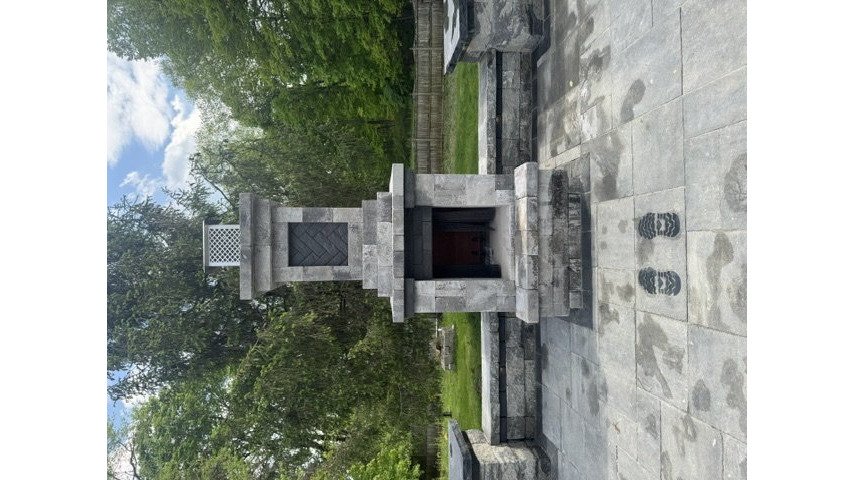
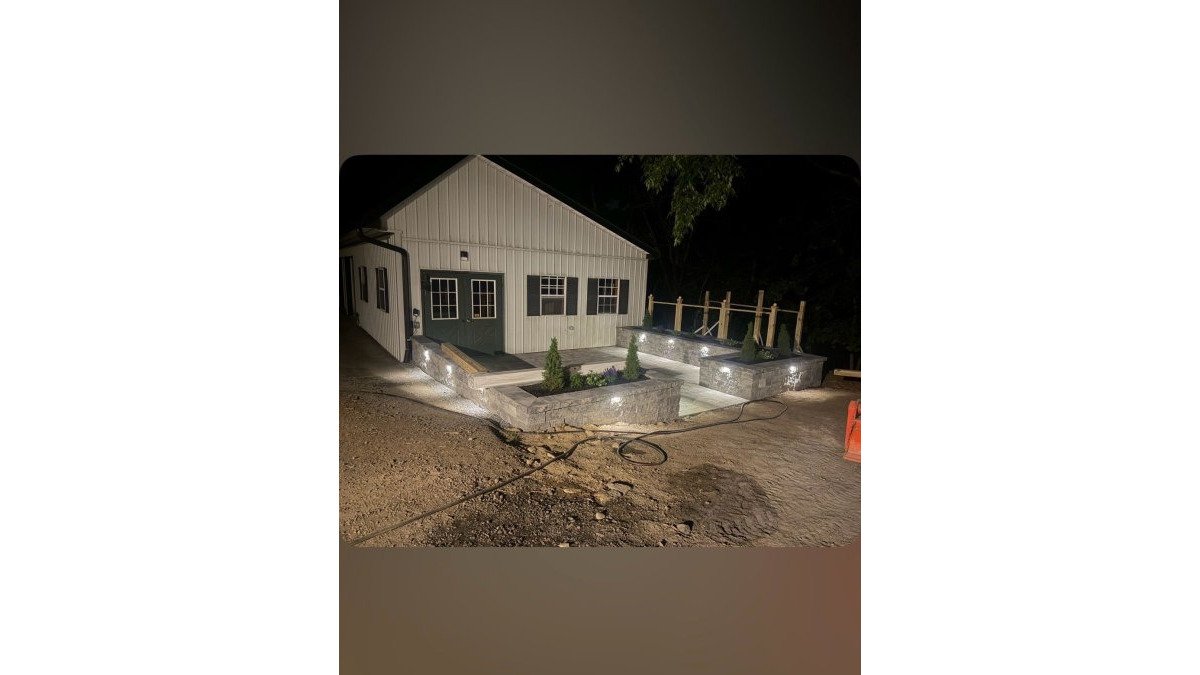
The right hardscaping material palette ties the patio to the house and the planting plan, rather than competing with them. Our landscape design materials guide walks through selecting materials so the hardscape complements the home and planting plan. A brick colonial and a modern farmhouse call for different stone, and a native-plant garden calls for different tones than a formal lawn.
Start with these considerations:
- Match or complement the home's exterior. Pull color cues from siding, roofing, and trim. Warm-toned stone suits brick; cooler grays suit modern facades.
- Plan the material palette as a whole. Patio, walkway, retaining wall, and steps should read as one family of materials, not four separate purchases.
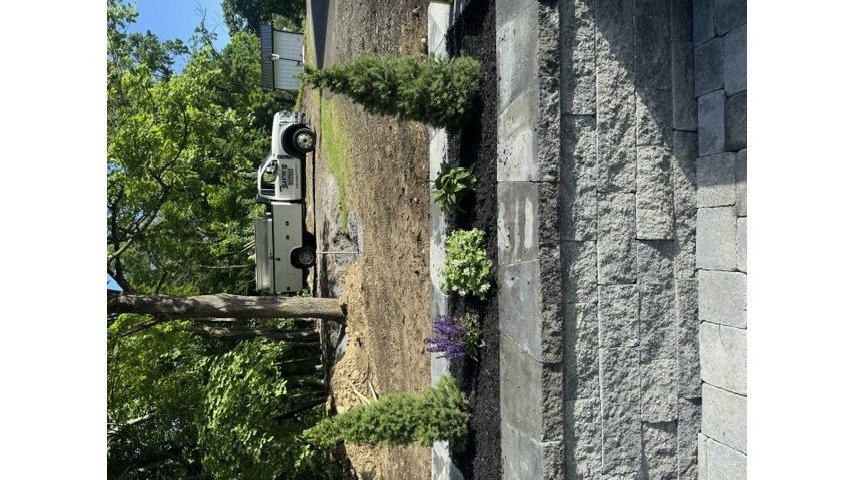
- Support drought-tolerant and native plants. Hardscape and planting beds should share edges cleanly, with mulching and irrigation planning handled before the stone goes down.
- Think about sustainable landscaping. Local stone, permeable surfaces, and recycled aggregate are often considered options that can reduce environmental impact.
The best outdoor living space feels designed, not assembled.
Request a Free Quote and Lock In Your Material Plan
The last step is the one that protects your investment: get a professional to confirm the site conditions and lock in the material plan before anything is ordered. Contact us to request a free quote and lock in your material plan. Material selection on paper and material performance on your actual soil are two different things, and the gap is where budgets blow up.
At Santini's Landscape, we've handled hardscaping, excavation, and drainage across the Hudson Valley since 2004, and we focus on one project at a time so the crew on your job is the crew that finishes it. We start with a site walk, flag soil and drainage issues upfront, and build the plan around your vision rather than a template.
Dreams Set in Stone. You Need Santini's.
Frequently Asked Questions
What hardscaping materials work best in a hot, dry climate?
Light-colored materials reflect more sunlight and stay cooler underfoot. Travertine, light sandstone, and pale concrete pavers are common picks for sunny patios. Dark granite and dark brick absorb more heat and can become uncomfortable in direct sun. Pair any material with shade structures and proper base preparation so the surface handles thermal expansion without cracking.
Do permeable pavers help manage rainwater?
Yes. Permeable pavers for drainage let water pass through joints and aggregate layers instead of pooling on the surface. This reduces surface runoff and helps with erosion control on sloped lots. They work best when the base and soil composition allow water to drain away, so a site assessment matters before you commit to a permeable system.
Is natural stone or concrete better for patios?
Natural stone offers unique color variation and often a longer lifespan, while concrete pavers cost less upfront and come in consistent sizes. For hot climates, both work if you choose lighter tones and seal them properly. The right call depends on your budget, design goals, and how much maintenance you want to take on each season.
How do I keep hardscape materials looking good over time?
Plan for seasonal maintenance: sweep joints, refill aggregate, reseal stone or concrete every few years, and check drainage systems after heavy rain. UV resistance varies by material, so ask about sealing before installation. A material palette chosen for your local sun and soil conditions will hold its curb appeal far longer than one picked on looks alone.
Ready to turn your yard into a space that holds up through every season? Request a free quote from Santini's Landscape and lock in your material plan with a team that walks the site before recommending a single stone.