 How-to
Is It Safe to Dig in Your Backyard? A Contractor's Guide
Last Updated: November 17, 2026
Quick Summary
Safe digging in your backyard is possible only when you locate utilities first, respect the markings, and follow local rules. Call 811 before you break ground, hand dig within the tolerance zone near any marked line, and stop immediately if you hit an unmarked utility.
- Call 811 at least a few business days before digging; the exact notice period is set by state law.
- Locate tickets cover only member utilities, so private lines like irrigation and landscape lighting are your responsibility.
- A flag or paint stripe shows where a line runs, not how deep it sits, so never assume a straight path.
- Stop work and move away if you hit a line, and call 911 from a safe distance if you smell gas.
- Many structural projects such as patios, retaining walls, and pool excavation require a permit from your local building department.
Table of Contents
- Is It Safe to Dig in My Backyard? What Contractors Check First
- Why You Should Call 811 Before You Dig
- Do I Need to Call 811 for a Garden?
- Your Backyard Digging Safety Checklist
- What to Do If You Hit a Utility Line
- Permits, Property Boundaries, and Other Non-Utility Hazards
- Project-Specific Guidance by Depth and Task
- Request a Free Quote from Santini's Landscape
- Frequently Asked Questions
Is It Safe to Dig in My Backyard? What Contractors Check First
Safe digging in your backyard is possible only when you know what is buried below the surface. At Santini's Landscape, the first thing we check is never the shovel. It is the ground itself.
Here is the short answer: digging is safe when you locate utilities first, respect the markings, and follow local rules. It turns dangerous the moment you skip those steps. A buried gas line or electrical cable does not care how small your project is.
Below, we walk through the checks to run before a single scoop of soil moves. Dreams Set in Stone, and that starts with a safe dig.
The Risks of Digging Without Professional Clearance
The biggest mistake we see is assuming a small hole is a safe hole. It is not.
Buried lines sit closer to the surface than most homeowners expect. A garden trowel, a fence post, or a new shrub can reach a gas, electric, water, or communications line.
Here is what can go wrong:
- Gas leaks that force an evacuation and a fire department response
- Electrocution from striking a live electrical line
- Flooding from a broken water line
- Sewer damage that backs up into your home
- Lost service from a cut fiber-optic or communications cable
The physical work carries its own risks too. Bending, twisting, and lifting in a deep hole strains your back. Unstable soil can collapse. Rocks shift without warning.
A common mistake is digging near a faded marking flag because "it looked clear." Paint fades. Flags get moved. Never trust your memory of where a line runs.
Why You Should Call 811 Before You Dig
Call 811 before you dig. It is a free national service that routes your request to the local one-call center, which then notifies the member utilities in your area.
Here is the process to follow on professional jobs:
- Submit the request by dialing 811 or filing online through your state's one-call system at least a few business days before you plan to break ground. The exact notice period is set by state law, so confirm it when you file.
- Describe the work area precisely. Give the street address, the type of work, and the depth you intend to reach. Mark the proposed excavation with white paint or flags so the locator knows exactly where to look, vague descriptions are the most common cause of a missed line.
- Wait for the locate crew. Member utilities send locators who mark their facilities with the standard APWA color code: red for electric, yellow for gas, orange for communications, blue for water, green for sewer, and purple for reclaimed water. White marks your proposed dig area.
- Read the markings correctly. A flag or paint stripe shows where a line runs, not how deep it sits. Lines can curve, change depth, or run diagonally between marks. Never assume a straight path.
- Respect the tolerance zone. Most states define a tolerance zone, commonly a set distance on either side of the marked line, where you must hand dig rather than use machinery. Confirm your state's distance before you start.
- Re-call if the marks fade or the scope changes. Locate tickets expire, and paint washes away. If your project area grows or the marks are gone, file a new request.
Watch out: a locate ticket only covers the utilities that are members of the one-call system.
The 811 Call Before You Dig service explains the process state by state. Timing rules and tolerance-zone distances vary by location, so confirm both when you call. Do not skip this because your project feels minor. Planting a tree counts. Setting a mailbox post counts.
Do I Need to Call 811 for a Garden?
Yes. You need to call 811 for a garden, even a small one. A vegetable bed or flower border can sit right over a buried line, and a spade reaches deep enough to hit one.
Many homeowners assume shallow planting is exempt. That assumption causes real damage. The safe rule is simple: if you are breaking ground, make the call.
Some routine yard work does not require a locate, such as mowing or raking. But anything that disturbs soil does. That includes:
- Digging a new garden bed
- Planting shrubs or trees
- Installing edging or a border
- Setting fence posts
- Building a fire pit or patio base
When in doubt, call. A few days of waiting beats a repair bill or a hospital visit.
Your Backyard Digging Safety Checklist
Use this checklist before every digging project, big or small.
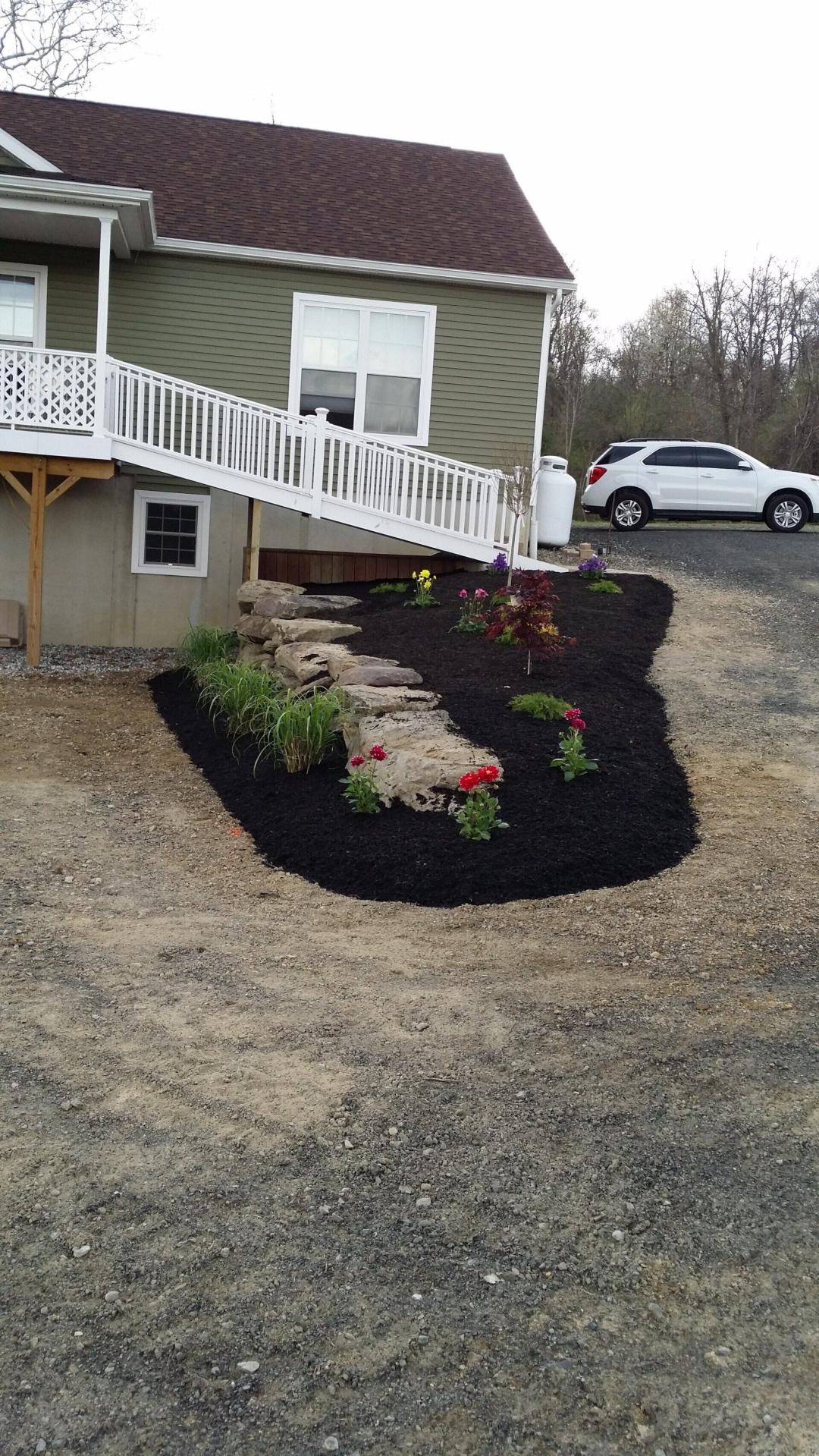
- Call 811 and wait for the locate crew
- Confirm all utility markings are visible and current
- Photograph the markings before you start
- Check local rules and permit requirements
- Confirm your property boundaries
- Plan your dig to stay clear of marked lines
- Switch to hand tools near any marking
- Keep a phone nearby for emergencies
- Wear gloves, boots, and eye protection
- Never dig alone in a deep hole
Safe Digging Practices Around Utility Markings
Treat every marking as a live line. The paint and flags show where a utility runs, not how deep it sits.
Here is how we dig near markings:
- Hand dig within the tolerance zone. Use a shovel, not a machine, close to any marked line.
- Dig with a gentle, angled motion. Never stab straight down.
- Never use a pickaxe or auger near a marking.
- Keep the markings visible as you work and re-mark if paint fades.
- Stop if you find an unmarked line and call 811 again.
A common mistake is assuming a line runs dead straight between flags. It may curve or change depth. Dig slowly and let the soil tell you what is there.
What to Do If You Hit a Utility Line
Stop work immediately and move away from the area. Do not try to fix the line yourself, and do not cover it back up.
Then follow these steps:
- If you smell gas or hear hissing, leave the area and call 911 from a safe distance. Do not flip switches or use anything that could spark.
- If you hit an electrical line, stay back and call the utility and emergency services.
- If you strike a water or sewer line, shut off the supply if you can do so safely, then call the utility.
- If you cut a communications cable, contact the provider and report the damage.
Report the strike even if nothing seems wrong. A nicked gas line can leak later. A damaged cable can fail days after the hit. The Pipeline and Hazardous Materials Safety Administration tracks and responds to pipeline damage, and reporting protects you and your neighbors.
Permits, Property Boundaries, and Other Non-Utility Hazards
Utilities are not the only thing that can go wrong.
Property boundaries. Digging on a neighbor's land, even by accident, creates disputes and can expose you to liability.
Soil collapse. A deep hole is a confined space, and trench walls can fail without warning.
Buried tanks and debris. Older properties often hide heating oil tanks, septic components, old footings, rubble, and construction debris.
Tree roots. Cutting major roots within the drip line can destabilize a tree and kill it over time.
When a project combines deep excavation, uncertain soil, and unknown buried debris, professional assessment is the prudent call.
Project-Specific Guidance by Depth and Task
Depth and task change the risk level. Here is how we think about common backyard projects.
| Project | Typical Depth | Key Risk | First Step |
|---|---|---|---|
| Garden bed | Shallow | Shallow utility lines | Call 811 |
| Tree or shrub planting | Medium | Root zone and lines | Call 811 |
| Fence posts | Medium | Buried cables | Hand dig near marks |
| Patio base | Deeper | Utilities, grading | Permit check, 811 |
| Pool excavation | Deep | All utilities, soil | Full site prep plan |
Shallow planting feels low risk, but shallow lines exist. Deep excavation raises the stakes on every front. For pool projects, professional site preparation matters, and you can read more in our guide to professional site preparation for pools. If you are still weighing whether a big dig is worth it, see our breakdown of whether backyard excavation is worth it.
Request a Free Quote from Santini's Landscape
The safest dig is the one handled by a team that does it every day.
You Need Santini's when the project matters. Since 2004, we have focused on one project at a time so every detail gets our full attention.
If your project involves serious ground work, see our excavation services and how we handle the risks. Read what happens when a site is not graded properly. Ready to talk? Contact us to request a free quote.
Digging in your backyard comes down to preparation. Call 811, respect the markings, check your permits, and hand dig near any line. Do that, and the work stays safe.
When you want the job done right from the first scoop, Santini's Landscape brings the equipment, the experience, and the focus to get it done.
Frequently Asked Questions
How do I know if it's safe to dig in my backyard?
Start by contacting 811, the national call-before-you-dig service, at least a few business days before you plan to break ground. Utility crews will mark buried gas, electric, water, sewer, and communications lines on your property. Once markings are in place, dig carefully with hand tools near any flags or paint. If you are unsure about depth, soil stability, or what lies beneath, have a professional excavation team assess the site before you start.
Do I need to call 811 to plant a garden?
Yes. Even shallow planting can hit irrigation lines, low-voltage lighting, or fiber-optic cable buried close to the surface. Calling 811 before you dig is free, and the markings tell you where it is safe to plant. For a simple flower bed, hand digging after markings are placed is usually fine. For raised beds, retaining walls, or anything requiring deeper excavation, bring in a professional who understands local soil and utility conditions.
How deep are utility lines buried in a yard?
Depth varies widely by utility type and local code. Some communications and irrigation lines sit just below the surface, while gas and electric lines are buried deeper. Because depths are not uniform, never assume a line is too deep to hit. Always call 811, wait for markings, and use hand tools within the tolerance zone around any marked line. A professional excavation team can confirm what is safe for your specific project.
What should I do if I hit a utility line while digging?
Stop digging immediately and move away from the area. If you smell gas or see sparks, leave the area and call 911 from a safe distance. Then contact the utility company that owns the line. Do not attempt to repair damage yourself. Document the scene with photos and keep people away until the utility crew arrives. For future projects, call 811 before you dig and follow the backyard digging safety checklist to prevent strikes.
How long should I wait after contacting 811 before I dig?
Most states require you to wait a set number of business days after submitting a locate request before digging, and the exact window varies by state. The 811 operator will tell you the required wait time when you call. Do not dig until every affected utility has responded and markings are visible. If a utility has not marked its lines by the deadline, contact 811 again before proceeding.