 ultimate-guide
How to Hire a Land Clearing Service: A Contractor's Guide
Table of Contents
- Understanding the Scope of Work for Land Clearing
- Questions to Ask Land Clearing Contractors Before Hiring
- Land Clearing Permit Requirements and Local Regulations
- Estimating Costs and Understanding Pricing Structures
- Land Clearing Project Timeline: What to Expect
- Vetting Contractors: Licensing, Insurance, and Red Flags
- Site Preparation, Equipment, and Post-Clearing Maintenance
- Conclusion
- Frequently Asked Questions
Last Updated: September 28, 2026
How to Hire a Land Clearing Service: A Contractor's Guide
Choosing the right land clearing service can make or break your entire project. A poor choice leaves you with incomplete work, unexpected costs, safety hazards, and damaged property. The right contractor delivers exactly what you need on time and within scope.
This guide from Santini's Landscape covers everything you need to know about how to hire a land clearing service, from understanding your project's scope to vetting contractors and avoiding costly mistakes. We've been in the business since 2004, focusing on one project at a time to ensure quality. Whether you're clearing brush, removing stumps, or preparing a site for new construction, the principles remain the same: know what you want, ask the right questions, and verify credentials before signing anything.
Understanding the Scope of Work for Land Clearing
Before you even contact a contractor, define exactly what you need. Land clearing isn't one-size-fits-all. Your project might involve brush clearing, stump grinding, excavation, site grading, or debris removal, or a combination of all of these.
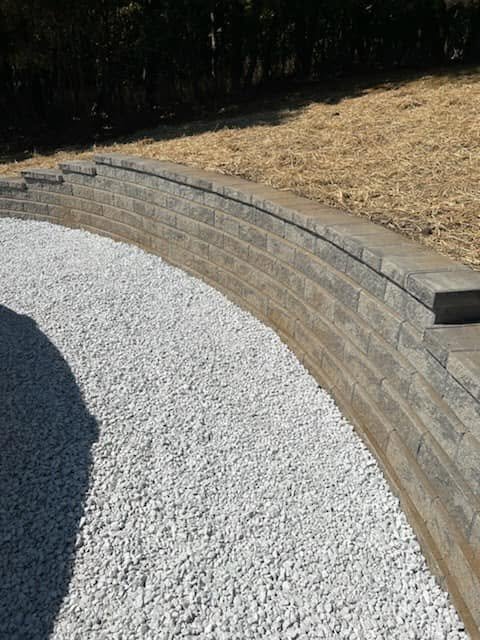
Start by walking your property and identifying what needs to go. Are you removing trees and stumps? Clearing brush and vegetation? Preparing the site for construction or a patio installation? Do you need grading to improve drainage or slope stability? Each task requires different equipment and expertise.
Document the vegetation density, tree sizes, and any obstacles like structures, utilities, or rocky terrain. Note whether you have site access for heavy equipment like dozers, excavators, or skid steers. Poor access means contractors may need to mobilize equipment differently, affecting both timeline and costs.
The scope of work is your foundation for getting accurate estimates. When contractors understand exactly what they're clearing and why, they can recommend the best clearing methods and provide realistic timelines. Vague requests lead to vague quotes and scope creep during the project.
Questions to Ask Land Clearing Contractors Before Hiring
The right questions separate qualified contractors from those who'll disappear mid-project or leave your property in worse condition than when they started.
Ask about their experience and focus:
- How long have you been doing land clearing work?
- What types of clearing projects do you specialize in?
- Can you provide references from similar projects?
Ask about equipment and methods:
- What equipment will you use for this specific job?
- Do you own the equipment or rent it? (Ownership often signals stability and commitment.)
- What's your debris removal process? Will you haul it away, chip it, or leave it for us to handle?
Ask about the timeline and logistics:
- How long will this project take?
- How many crew members will be on-site?
- What's your mobilization process? How do you get equipment to the site?
- Will site access be an issue?
Ask about licensing, insurance, and guarantees:
- Are you licensed? (Requirements vary by state and locality.)
- Do you carry general liability insurance and workers' compensation?
- What's your guarantee if work needs to be redone?
Ask about costs and estimates:
- How do you structure pricing, hourly rate, flat fee, or per-acre?
- What's included in your estimate?
- When do you need payment?
These questions reveal whether a contractor has thought through your project or is just throwing out a number. A contractor who asks detailed questions back, about soil conditions, drainage, intended use, and budget, is likely someone who'll deliver quality work.
Land Clearing Permit Requirements and Local Regulations
Permit requirements vary dramatically by location, property size, and clearing scope. Some municipalities require permits for any tree removal over a certain diameter. Others regulate erosion control or require environmental assessments. Failing to get required permits can result in fines, project shutdowns, or liens on your property.
Before hiring, contact your local zoning office or building department to understand what applies to your project. Ask about:
- Tree removal permits (many areas require them for trees over 6-12 inches in diameter)
- Erosion control permits or requirements
- Grading permits if you're changing site topography
- Environmental assessments if you're near wetlands or protected areas
- Stormwater management requirements
Some contractors handle permit acquisition as part of their service. Others expect you to obtain permits beforehand. Clarify this upfront, it affects timeline and responsibility if something goes wrong.
According to the EPA's guidance on land clearing and erosion control, proper site preparation prevents soil erosion and protects water quality. Many municipalities enforce these standards strictly, so understanding local regulations isn't optional, it's essential.
A reputable contractor will discuss permits proactively. If they don't mention them, ask directly. You Need Santini's kind of professionalism means understanding and respecting local requirements before work begins.
Estimating Costs and Understanding Pricing Structures
Land clearing pricing varies widely based on vegetation density, site access, equipment needed, and debris disposal. Common pricing structures include hourly rates, flat fees, or per-acre pricing.
Hourly rates work well for smaller, well-defined projects where scope is clear. Expect rates to vary based on equipment complexity and crew size.
Flat fees protect you from surprises if the work takes longer than expected. They require contractors to accurately assess the job upfront.
Per-acre pricing applies to larger properties with consistent vegetation density. This method assumes relatively uniform conditions across the property.
Ask your contractor which method they use and why it's appropriate for your project. Also clarify what's included: equipment mobilization, debris removal, site cleanup, and restoration work. Some contractors include these; others charge separately.
When comparing estimates, ensure they're based on the same scope of work. A low bid that excludes debris removal or site grading isn't comparable to a higher bid that includes everything. Get written estimates that detail what's covered and what's not.
Land Clearing Project Timeline: What to Expect
Timeline depends on project size, vegetation density, site access, weather, and equipment availability. A small brush-clearing project might take 1-2 days. A multi-acre site with dense forest could take weeks.
Factors that affect timeline:
Site conditions: Dense vegetation, rocky terrain, and poor drainage slow progress. Contractors need to assess these before committing to a timeline.
Equipment availability: If your contractor needs to rent specialized equipment like a forestry mulcher or large excavator, availability affects the start date and duration.
Weather: Rain makes sites muddy and inaccessible. Winter conditions can halt work entirely. Contractors typically build weather delays into their timelines.
Vetting Contractors: Licensing, Insurance, and Red Flags
This is where most homeowners make mistakes. Hiring an uninsured or unlicensed contractor might seem cheaper upfront, but it exposes you to massive liability if someone gets injured or property gets damaged.
Watch for red flags:
- Refuses to provide references or insurance information
- Demands full payment upfront
- Won't provide a written estimate or contract
- Quotes significantly lower than other estimates
- Doesn't ask detailed questions about your project
- Lacks a physical business address or phone number
- Pressures you to decide immediately
Site Preparation, Equipment, and Post-Clearing Maintenance
Once clearing is complete, site preparation determines whether your land is ready for its intended use. This includes grading, erosion control, and sometimes restoration work.
Conclusion
Hiring a land clearing service requires upfront work: defining your scope, asking detailed questions, verifying credentials, and checking references. But this investment of time protects you from costly mistakes and ensures your project delivers the results you need.
| Aspect | What to Look For | Why It Matters |
|---|---|---|
| Experience | 5+ years, similar projects | Reduces risk of mistakes and delays |
| Insurance | General liability + workers' comp | Protects you from liability |
| References | 3+ recent clients, similar scope | Verifies quality and reliability |
| Estimate | Written, detailed, matches scope | Prevents hidden costs and disputes |
| Communication | Asks questions, explains process | Indicates professionalism and care |
| Timeline | Realistic with contingencies | Sets proper expectations |
Frequently Asked Questions
What questions should I ask a land clearing contractor before hiring?
Ask about their experience with your specific project type, whether they handle permits or if you need to obtain them, what equipment they'll use, their timeline, how they manage debris removal, their insurance coverage details, and whether they provide a written estimate that outlines the full scope of work. Request references from recent projects and clarify who handles site preparation and post-clearing restoration. You Need Santini's to get straightforward answers.
Do I need a permit to clear my land?
Permit requirements vary by local jurisdiction, zoning regulations, and the size of your project. Most areas require permits for significant vegetation removal, especially if trees are involved or if the clearing affects slope stability and erosion control. Contact your local building department or planning office to confirm what applies to your property. A reputable contractor should be familiar with local permit requirements and can guide you through the process.
How long does a typical land clearing project take?
Timeline depends on vegetation density, site size, terrain, equipment availability, and weather. Small residential clearing might take a few days, while larger projects with heavy brush clearing or forestry mulching can take weeks. Mobilization fees apply when contractors bring heavy equipment to your site. Get a detailed project timeline from your contractor upfront, and discuss contingencies for unexpected issues like poor soil conditions or drainage complications that could extend the schedule.
How do I verify a land clearing company's insurance and licensing?
Request proof of general liability insurance and worker's compensation coverage before hiring. Ask for their contractor license number and verify it with your state or local licensing board. Check that their insurance is current and adequate for the work scope. A contractor worth hiring will provide this documentation without hesitation and explain their coverage limits. Dreams Set in Stone requires contractors who stand behind their credentials and protect both themselves and you.