 how-to
How Much Does a Patio Design Cost? A Contractor's Guide
Table of Contents
- What Actually Drives Your Patio Design Cost
- Paver Patio Installation Cost Per Square Foot: What to Expect
- The Hidden Costs of Site Prep Most Homeowners Miss
- Hardscape Design Consultation Fees: What You're Paying For
- Small Patio Design Ideas for Homeowners on a Budget
- How Patios Add Value to Your Home
- Frequently Asked Questions
Last Updated: September 25, 2026
What Actually Drives Your Patio Design Cost
The answer to how much a patio design cost runs through three things: materials, labor, and site conditions. This guide from Santini's Landscape breaks down each one, because the quote you get depends on all three, not just the size of the space.
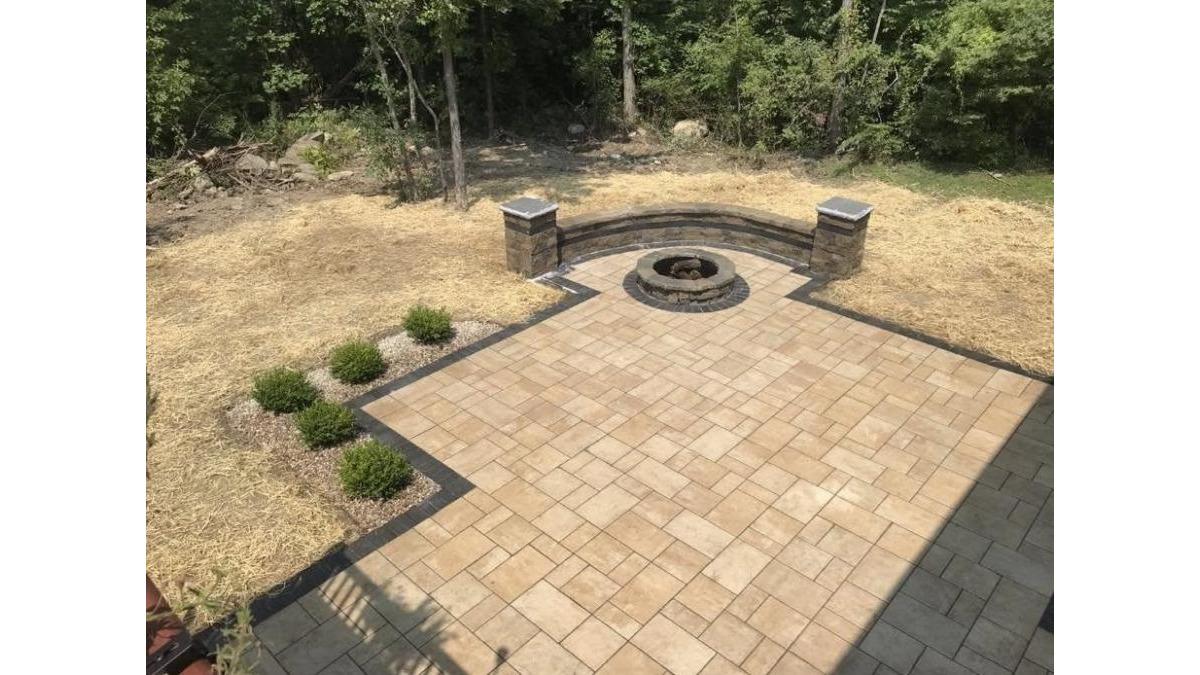
Patio design cost is the total you pay for planning, materials, and installation of an outdoor patio. It covers design work, base prep, the surface material, and the crew that puts it together.
Most homeowners focus on the surface material. That is a mistake. The ground under the patio often decides the final number more than the pavers on top.
Below, we show you exactly what moves the price up or down, and how to spot the costs that show up late.
Materials: The Biggest Line Item
Materials usually eat the largest share of any patio budget. The surface you pick changes everything.
- Concrete pavers: Durable, many styles, mid-range on price
- Natural stone: Higher cost, unique look, heavy to install
- Poured concrete: Lower upfront cost, fewer design options
- Interlocking pavers: Strong joints, good for freeze-thaw cycles
Each option has trade-offs. Cheap upfront can mean more upkeep later.
Labor and Installation Fees
Labor costs reflect skill and time. A crew that sets a proper base and compacts it takes longer than one that cuts corners.
Skilled paver installation is not fast work.
Paver Patio Installation Cost Per Square Foot: What to Expect
Paver patio installation cost per square foot is the number most homeowners ask about first. It bundles the base, the pavers, the joint sand, and the labor into one figure. That figure is a starting point, not a final price. Two yards of the same size can land far apart once site conditions enter the picture.
What Actually Sits Inside a Square-Foot Figure
A square-foot number is a stack of layers, not a single product. When we quote a paver patio, the figure reflects:
- Excavation and haul-off: Removing topsoil and soft material, then trucking it away
- Aggregate base: Crushed stone placed in lifts and compacted to a target depth
- Bedding layer: A thin, screeded sand or stone-dust layer the pavers sit on
- Geotextile fabric: A separation layer that stops soil from pumping into the base
- Pavers: The surface material itself, priced by the square foot and by the pallet
- Edge restraint: The hidden border that keeps the field from spreading
- Joint sand and compaction: Polymeric or washed sand swept in and vibrated tight
- Labor: Cutting, fitting, leveling, and finishing
Why Square Foot Pricing Varies So Much
Square foot pricing swings for real reasons. Here is what changes it:
- Site access: Tight gates, steep side yards, or a fence that has to come down slow crews and add handling time
- Base depth: Soft or expansive soil needs a deeper aggregate base, which means more stone and more compaction passes
- Grading: Sloped yards need more excavation on the high side and more fill on the low side
- Drainage: Poor drainage adds drain lines, catch basins, and gravel
- Design: Curves, borders, inlays, and patterns take more cuts and more waste
- Paver choice: Thicker pavers and natural stone weigh more and cut slower than standard concrete pavers
How to Compare Two Square-Foot Quotes
Two contractors can hand you the same square-foot number and mean two different jobs. Compare them on these points:
- Base depth in inches. A thin base saves money now and causes settling within a few seasons.
- Base material spec. Crushed stone with proper gradation compacts better than fill dirt or recycled mix.
- Compaction method. Plate compactor passes in lifts, not one pass over a thick layer.
- Edge restraint type. Concrete or spiked plastic edge holds the field; nothing holds nothing.
- Drainage scope. Is drainage included, or is it a change order waiting to happen?
- Haul-off. Who pays to remove the excavated soil, and where does it go?
Regional Labor Rate Variance
Most guides quote a single national average. That number hides a wide spread. Labor rates, fuel, disposal fees, and material freight all shift by region, and a coastal metro will not price like a rural county. When you read a square-foot figure online, treat it as a national midpoint, not a local quote. The only number that matters is the one a local contractor writes after walking your yard.
The Hidden Costs of Site Prep Most Homeowners Miss
Site prep is where budgets quietly grow. Excavation, grading, and drainage often sit outside the headline square foot price.
Excavation, Grading, and Drainage
Excavation removes soil to make room for the base layers. Grading shapes the ground so water flows away from your home. Drainage moves that water to a safe spot.
Each one has a real cost driver behind it:
- Soil removal: Every yard of soil dug out has to go somewhere. Haul-off is priced by the load, and heavy clay or rock slows the dig.
- Grading: A yard that falls toward the house needs more cut and fill than a flat one. The steeper the slope, the more machine time.
- Drainage: French drains, channel drains, catch basins, and dry wells all add trenching, gravel, pipe, and fabric. Water has to go somewhere, the question is where you pay for it to go.
- Base build: Aggregate placed in lifts and compacted to depth. Skip a lift and the base telegraphs through the pavers.
- Geotextile fabric: A separation layer that keeps soil from pumping up into the stone.
A proper build includes:
- Removing topsoil and soft material
- Adding and compacting an aggregate base in lifts
- Laying geotextile fabric to stop soil mixing
- Setting edge restraint before joint sand
- Setting joint sand and sealing the surface
Why This Is the Section Most Guides Skip
Most cost articles stop at the surface material. They compare pavers to concrete to stone and call it done. That leaves out the part of the job that decides whether the patio lasts: what happens under it. A patio is only as good as its base and its drainage. Get those wrong and no surface material can save the job.
The Sustainability Angle Most Guides Miss
At Santini's Landscape, site prep is not an add-on, it is the job. We have handled excavation, hardscaping, and site work since 2004, and we finish one project before starting the next. Dreams Set in Stone. You Need Santini's.
Hardscape Design Consultation Fees: What You're Paying For
Hardscape design consultation fees cover the planning stage before any shovel hits the ground. You pay for a layout, a material plan, and a clear scope of work.
What a consultation typically includes:
- Measuring the space and checking the grade
- Reviewing material and pattern options
- Planning drainage and base depth
- Giving you a written scope and estimate
Small Patio Design Ideas for Homeowners on a Budget
Small patio design ideas for homeowners can deliver a big result without a big footprint. A compact patio done well beats a large one done cheaply.
Budget-friendly moves that still look sharp:
- Keep a simple shape: Squares and rectangles cut material waste
- Use one material: Fewer cuts, lower labor
- Skip the curves: Curved edges need more cutting and fitting
- Add plantings later: Ornamental plantings can come in a second phase
- Reuse what you have: Keep healthy plants and good soil on site
How Patios Add Value to Your Home
A well-built patio can lift your home's resale value and curb appeal. Buyers see usable outdoor space as a real asset, not a nice extra.
What buyers notice:
- A level, stable surface with no trip edges
- Clean joints and a sealed finish
- Drainage that keeps water away from the house
- A layout that fits how people actually live outside
Frequently Asked Questions
What factors influence the final price of a custom patio design?
The biggest factors are square footage, material choice, and site conditions. A flat, accessible yard with good drainage costs less to work with than a sloped property that needs retaining walls or extensive grading. Design complexity, such as curves, multiple levels, or integrated seating, adds labor hours. Permits and inspection fees also factor in. Because every property is different, the only way to get an accurate patio design cost is an on-site evaluation where a contractor can see what the ground actually looks like.
Do patios add value to a house?
A well-built patio improves curb appeal and expands usable outdoor living space, both of which buyers notice. The return depends on your local market, the quality of the installation, and how well the patio fits the home. A professionally installed patio with proper base preparation and drainage holds up longer and looks better at resale than a rushed job. Sealing and joint sand maintenance keep it looking new. For homeowners planning to sell within a few years, a patio is one of the more reliable outdoor upgrades.
What's the difference between patio design fees and installation costs?
Design fees cover the planning phase: site assessment, measurements, material selection guidance, and drawings. Installation costs cover the physical build: excavation, sub-base preparation, aggregate base, compaction, laying pavers or stone, and finishing. Some contractors bundle design into the overall project, while others charge separately. Ask upfront which model applies so you can compare estimates fairly. A hardscape design consultation clarifies your vision before any digging starts, which prevents expensive changes mid-project.
How do material choices affect patio installation costs?
Material is often the largest single line item. Concrete pavers typically cost less than natural stone, but both require a proper aggregate base and compaction to perform well. Interlocking pavers offer design flexibility and are easy to repair if a section shifts. Natural stone delivers a unique look but weighs more and takes longer to set, which increases labor. Geotextile fabric and joint sand are smaller costs that significantly affect long-term stability. Your contractor can walk you through trade-offs during the estimate.